Blue Planet III features cloudier footage to prove authenticity amid AI boom
Source Entity
Tara Conlan
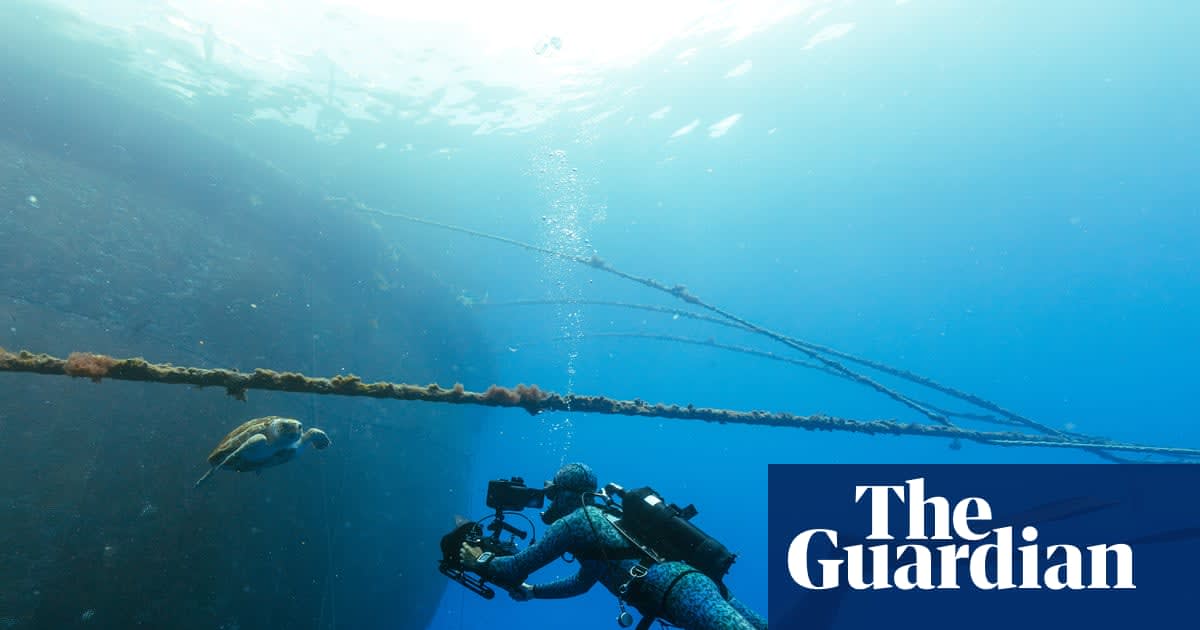
The producers of the new David Attenborough-narrated series Blue Planet III are intentionally including lower-quality, cloudier footage to prove authenticity. This strategy aims to differentiate real nature cinematography from the rising tide of AI-generated imagery.
The Quest for Authenticity in the Age of AI
The return of the landmark BBC series Blue Planet III, narrated by the legendary Sir David Attenborough, marks a pivotal moment in the evolution of nature documentary filmmaking. As the series prepares to debut, producers have revealed a deliberate aesthetic choice: the inclusion of cloudier, less polished footage. This decision is not a technical failure but a strategic move to distinguish genuine, captured biological events from the increasingly indistinguishable world of AI-generated content.
The Challenge of Artificial Realism
In an era where generative AI can create hyper-realistic visuals of creatures that do not exist, the credibility of documentary storytelling is under threat. The production team behind Blue Planet III recognizes that when every frame can be perfectly rendered, the human eye struggles to discern reality. By intentionally retaining footage that lacks the sterile perfection of digital synthesis, the producers are signaling to the audience that what they are witnessing is an unvarnished encounter with the natural world.
Technological Innovation vs. Pure Observation
Despite the push for authenticity, the series remains at the forefront of innovation. The introduction of the "stonefish cam," the world’s first underwater CCTV camera, demonstrates the BBC’s commitment to capturing never-before-seen animal behaviors. While these tools provide sharper, higher-definition imagery than those used 25 years ago during the first Blue Planet series, they are now balanced against the producers' need to maintain a visual texture that feels undeniably real and grounded in physical space.
A Legacy of Environmental Advocacy
The Blue Planet franchise has historically served as a catalyst for global environmental change. Nearly a decade ago, Blue Planet II famously brought the crisis of plastic pollution to the forefront of the public consciousness, leading to real-world policy shifts. As the series returns, its mission is twofold: to continue highlighting the urgent state of our oceans and to serve as a bastion of truth in an era of digital misinformation. The authenticity of the footage is paramount to maintaining the trust required to influence public opinion on environmental issues.
Future Trends in Documentary Production
The move by the Blue Planet III team suggests a broader trend in the media industry: the "human-verified" aesthetic. As AI becomes more integrated into post-production workflows, viewers will likely gravitate toward content that emphasizes human oversight and raw, imperfect footage as a badge of honor. This shift ensures that the natural history unit remains a trusted source, preserving the sanctity of the documentary genre as a record of our planet’s shifting ecosystems.
Conclusion: The Importance of Imperfection
Ultimately, the decision to embrace cloudier footage is a profound acknowledgment of the current technological landscape. By prioritizing the "authentic" over the "perfect," the creators of Blue Planet III are ensuring the long-term relevance and credibility of their work. As technology continues to blur the lines between reality and simulation, the imperfections in nature—and the cameras that record them—become the most valuable evidence of the world we are working to protect.