Startup equips genetically enhanced dogs with Palmer Luckey’s military tech
Source Entity
Jess Weatherbed
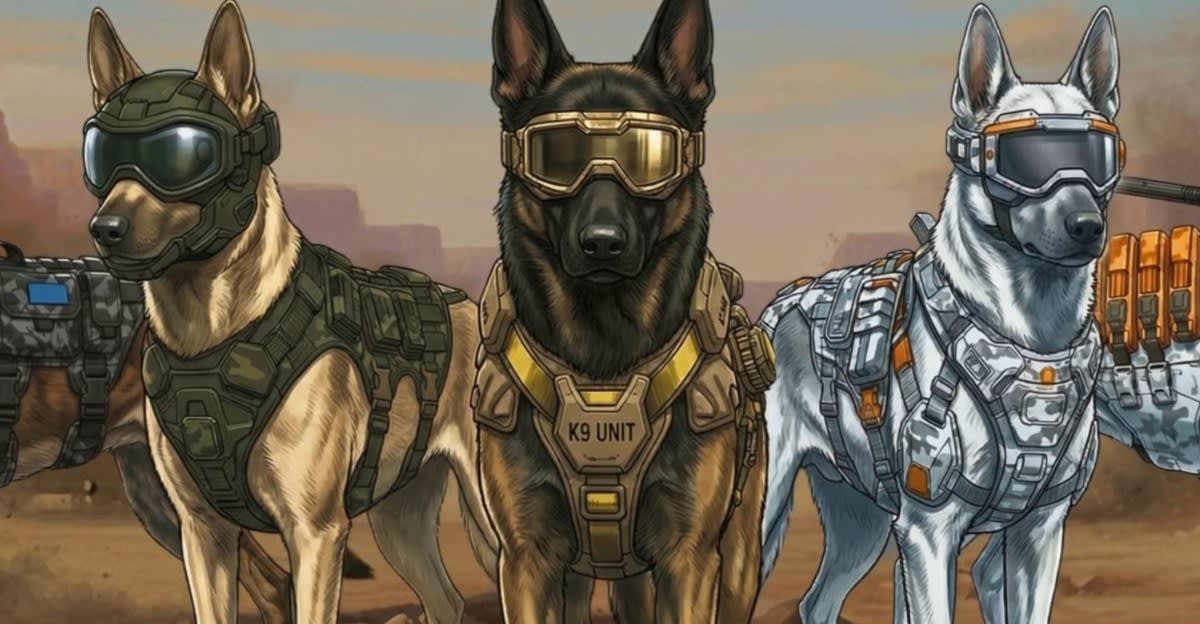
Texas-based startup Warhound has raised $200 million to integrate genetic modification with military technology for service dogs. The venture combines Colossal Biosciences' biological expertise with Anduril’s advanced cybernetic equipment to enhance canine performance in high-stakes missions.
The Rise of Warhound: Merging Genetics and Defense
A new Texas-based defense startup, Warhound, has emerged with a disruptive vision for the future of military and police K-9 units. Founded by Palmer Luckey of Anduril Industries and Ben Lamm of Colossal Biosciences, the company aims to revolutionize service dogs through a dual-pronged approach: biological optimization and cybernetic augmentation. By securing $200 million in initial funding, Warhound signals a significant shift in how defense contractors are looking toward biotechnology to solve traditional logistical and operational challenges in the field.
Biological Optimization Through Colossal Biosciences
The project leverages the specialized expertise of Colossal Biosciences, a firm famously known for its ambitions to resurrect extinct species. In the context of Warhound, this biological prowess is being redirected toward the selective breeding and genetic enhancement of working dogs. The goal is to produce animals that are inherently healthier, more resilient, and physically optimized for the grueling demands of military and law enforcement environments. This marks a departure from traditional breeding programs, moving instead toward a scientific intervention designed to maximize the longevity and performance of these animals.
Integrating Anduril’s Cybernetic Augments
Beyond biological enhancement, the dogs will be integrated with cutting-edge hardware from Anduril Industries. This includes the implementation of 'cybernetic Augments,' which consist of advanced sensory and protective gear. Among the planned technologies is the integration of EagleEye military tech, which likely provides real-time data streaming, enhanced situational awareness, and improved communication capabilities between the handler and the canine unit. By merging physiological improvements with high-tech hardware, Warhound intends to transform the standard service dog into a sophisticated, information-gathering tactical asset.
The Future of Modern Warfare and Policing
The integration of such advanced technology into animal units reflects broader trends in military modernization, where the focus has shifted toward force multiplication and reduced risk to human personnel. By utilizing technologically enhanced dogs, agencies could potentially conduct reconnaissance or tactical operations in environments that are too dangerous or complex for current human-canine teams. The use of cybernetic equipment ensures that these animals remain connected to the broader networked battlefield, allowing for a more cohesive tactical response.
Ethical and Operational Implications
While the technological potential is significant, the emergence of Warhound introduces complex ethical and operational questions. The combination of genetic modification and military-grade cybernetics in living creatures will undoubtedly face scrutiny regarding animal welfare and the long-term impact on the biology of the animals involved. Furthermore, as these 'enhanced' units are deployed, the defense industry will need to establish new protocols for the maintenance and management of such specialized assets, setting a new precedent for the future of robotic and biological synergy in defense.