Brick’s new app blocker is designed for bedtime doomscrolling
Source Entity
Jess Weatherbed
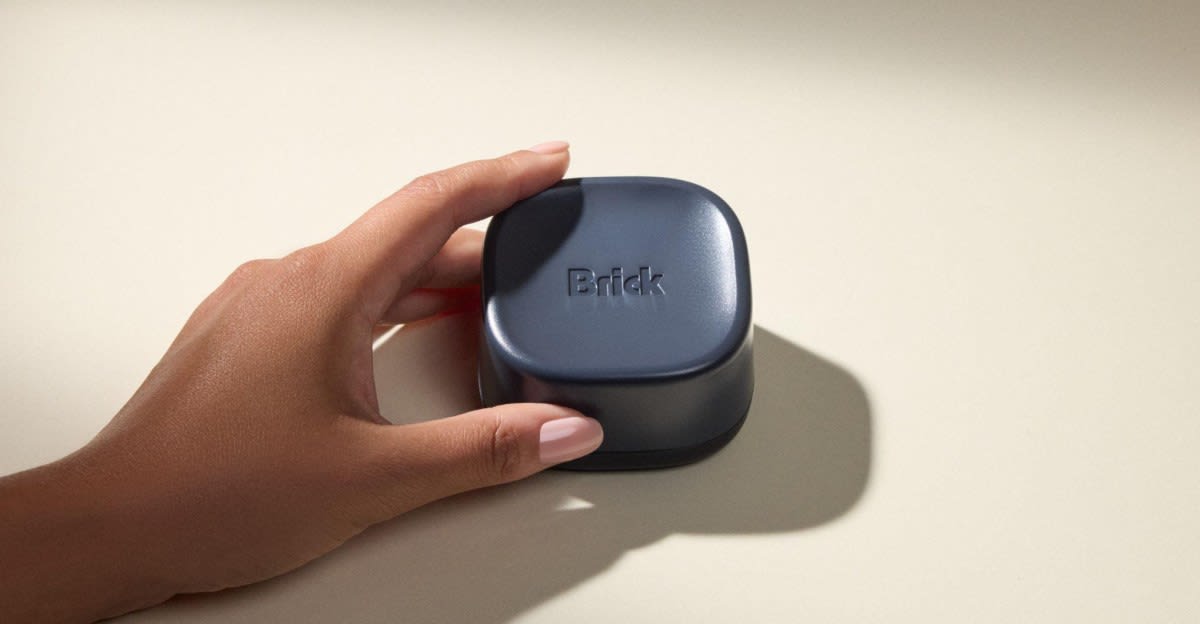
Brick has launched the $129 Brick Night, a Bluetooth-enabled device that automatically blocks distracting apps when you enter a designated room. This new tool aims to curb bedtime doomscrolling by shifting from manual tapping to automated, location-based digital boundaries.
The Evolution of Digital Minimalism: Introducing Brick Night
The digital wellness market continues to expand as consumers seek tangible solutions to curb screen addiction. Brick, known for its original $59 physical app-blocking device, has introduced a more sophisticated iteration called 'Brick Night.' Priced at $129, this new hardware represents a strategic shift from manual intervention to automated digital hygiene, specifically targeting the pervasive habit of bedtime doomscrolling.
From Manual Tapping to Proximity Automation
Unlike the original Brick, which required a deliberate physical action—tapping your smartphone against the device—to toggle app access, the Brick Night utilizes Bluetooth technology to establish a passive, location-based barrier. By setting a zone of up to 25 feet by 25 feet, users can designate their bedroom as a 'no-distraction zone.' Once the user enters this perimeter, the device automatically triggers the app-blocking sequence, removing the friction of manual activation and ensuring consistency in one's sleep hygiene routine.
Technical Architecture and Customization
Powered by two CR2477 batteries, the Brick Night is designed for longevity and ease of placement. A critical feature retained from the original model is the granular control over app access. Rather than rendering the smartphone a 'dumb phone' or completely inaccessible, the system allows users to whitelist essential tools while blocking the specific social media or news applications that typically fuel late-night scrolling. This balance between utility and restriction is central to Brick’s philosophy of intentional technology usage.
Addressing the Doomscrolling Crisis
'Doomscrolling'—the act of endlessly consuming negative news or infinite social media feeds—has become a significant public health concern, often cited for its negative impact on sleep quality and mental health. By automating the restriction of these apps, the Brick Night addresses the behavioral psychology of habit formation. It acts as a 'nudge' that removes the choice to doomscroll, effectively automating self-control where willpower often fails during periods of fatigue.
Market Implications and Future Trends
As we move toward an era of hyper-connectedness, the demand for 'anti-tech' hardware is growing. The release of the Brick Night suggests that consumers are increasingly willing to pay a premium for physical solutions to digital problems. If successful, this trend may push software developers to integrate more robust location-based 'do not disturb' features natively into operating systems, though the existence of a dedicated hardware market highlights the consumer preference for physical, tactile boundaries in an increasingly abstract digital world.
Conclusion
The Brick Night is not merely a gadget; it is a structural intervention in the user's environment. By leveraging Bluetooth proximity to enforce digital boundaries, the company is attempting to solve the problem of bedtime screen time at the source. As users continue to struggle with the infinite nature of mobile content, hardware-based solutions like Brick Night offer a compelling alternative to traditional software-only screen time managers.