Boil and strain drinking water for next 7 days: BMC issues advisory for Mumbai, Thane and Bhiwandi
Source Entity
Latest News: Todays Latest News Headlines from India & World | Hindustan Times | Hindustan Times
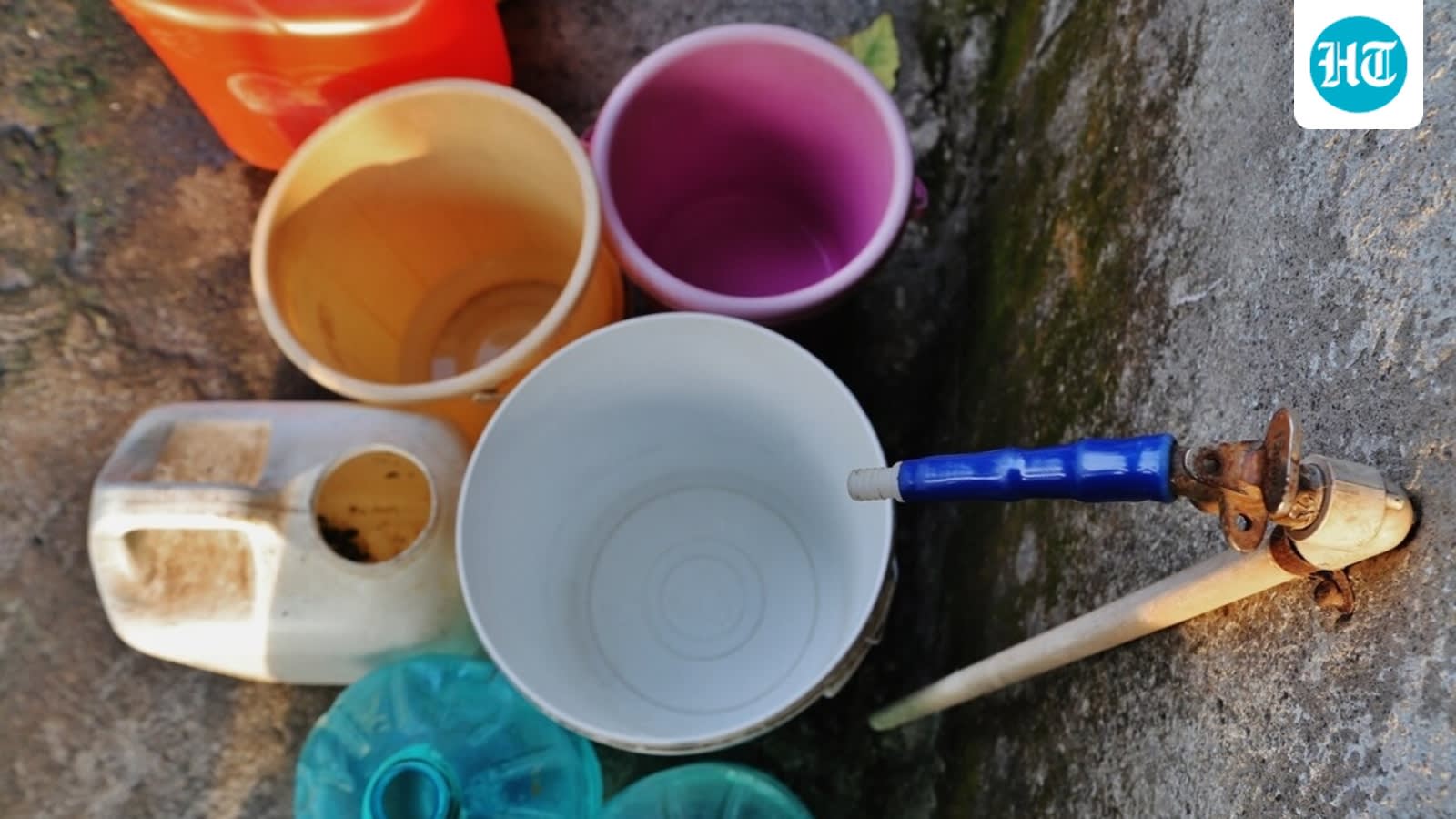
The BMC has issued a seven-day advisory for residents in Mumbai, Thane, and Bhiwandi to boil and filter drinking water. This precautionary measure follows the recommissioning of a repaired reservoir at the Pise-Panjrapur complex.
Urgent Water Safety Advisory for Mumbai Metropolitan Region
The Brihanmumbai Municipal Corporation (BMC) has issued a critical advisory urging residents across Mumbai, Thane, and Bhiwandi to boil and filter their drinking water for a period of seven days. This directive comes as a direct response to the operational status of the Pise-Panjrapur water supply complex, a vital piece of municipal infrastructure that serves a vast population within the Mumbai Metropolitan Region.
Infrastructure Maintenance and Operational Risks
The necessity for this public health measure stems from the completion of significant repair work on Compartment No. 2 of the Yewai Master Balancing Reservoir. While infrastructure upgrades are essential for maintaining the integrity of the water distribution network, the process of recommissioning such large-scale facilities often introduces risks of contamination or turbidity. By bringing the reservoir back online on October 28, 2026, the BMC is managing the potential for fluctuations in water quality that typically accompany the restoration of flow after maintenance cycles.
Scope of the Advisory
The advisory is geographically broad, encompassing the Mumbai island city, the eastern suburbs, and specific areas within Thane and Bhiwandi that rely on the BMC’s distribution network. Given the density of these urban centers, the BMC has opted for a precautionary approach to mitigate the risk of waterborne illnesses. The seven-day window is intended to allow for the stabilization of water quality parameters as the reservoir integrates back into the primary supply chain.
Public Health Implications
Water quality management is a cornerstone of public health in densely populated urban environments. During the transition period of recommissioning, stagnant water or sediment displacement within pipes can lead to temporary contamination. The BMC’s recommendation to boil and strain water is a standard, highly effective practice to neutralize potential pathogens. Residents are encouraged to strictly adhere to this guidance until the municipal authorities confirm that the water quality has returned to standard safety levels.
Future Trends in Urban Utility Management
This incident highlights the ongoing challenges of aging infrastructure in India’s metropolitan hubs. As cities like Mumbai continue to expand, the reliance on complex systems like the Pise-Panjrapur complex underscores the need for continuous monitoring and proactive maintenance. Future trends in municipal utility management will likely shift toward real-time water quality sensing and more transparent, digital communication channels to ensure that residents remain informed during maintenance-related service disruptions.
Conclusion
While the current inconvenience is significant for the residents of Mumbai, Thane, and Bhiwandi, it is a necessary step to ensure long-term service reliability. The completion of the Yewai Master Balancing Reservoir repairs is a positive development for the city's future water security, provided that the public follows the provided safety protocols throughout the seven-day adjustment period.
Verification Required?