French fried: Texas Republican pays the price for anti-Indian politics
Source Entity
CHIDANAND RAJGHATTA
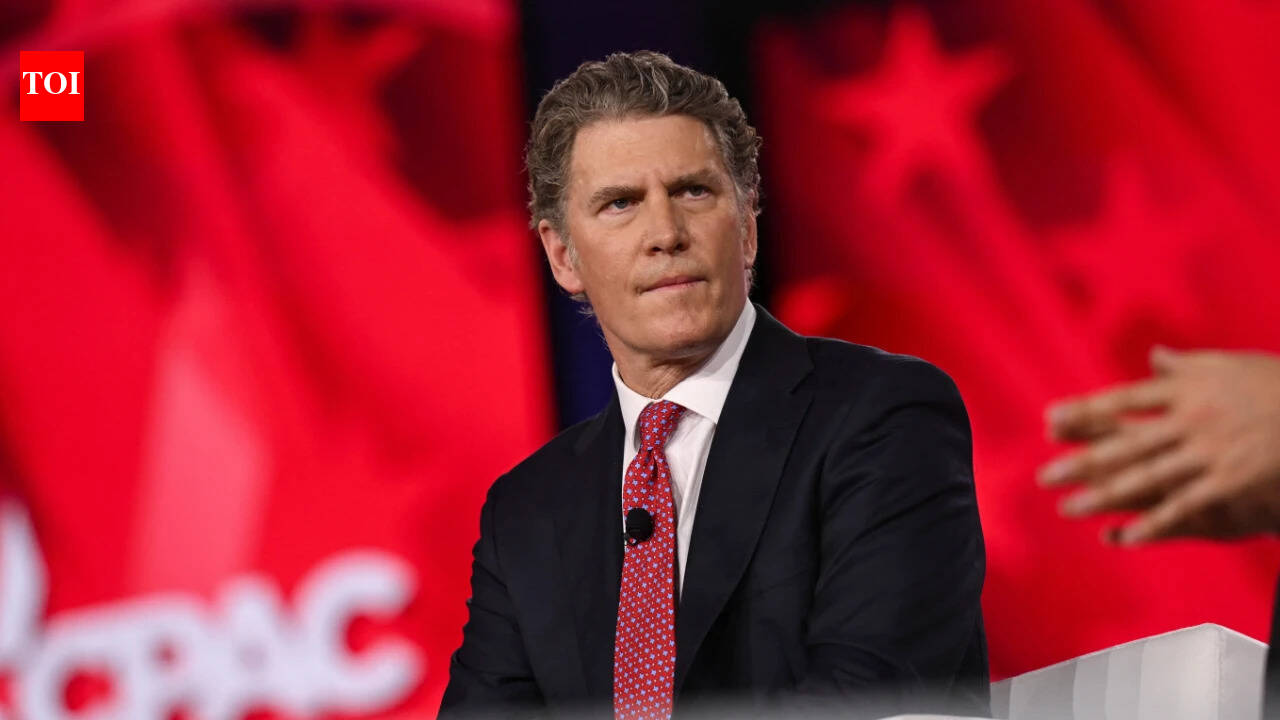
Republican candidate Bo French suffered a significant electoral defeat in Texas, losing to Democrat Jon Rosenthal by over 600,000 votes. His loss is being attributed to inflammatory rhetoric targeting Indian-Americans and immigrant communities, highlighting a growing tension within the GOP.
The Electoral Consequences of Divisive Rhetoric
The recent electoral defeat of Republican candidate Bo French in the Texas Railroad Commission race serves as a definitive case study on the political costs of inflammatory rhetoric. Losing to Democratic challenger Jon Rosenthal by a margin exceeding 600,000 votes, French’s campaign was significantly hindered by his public comments regarding Indian-Americans and other minority communities. This substantial electoral gap underscores a growing disconnect between the rhetoric employed by certain candidates and the evolving demographic realities of the Texas electorate.
The Contradiction Within the GOP
French’s defeat illuminates a profound ideological contradiction currently plaguing the Republican Party. For years, the GOP has actively courted Indian-American voters, frequently highlighting their significant contributions to the economy, their entrepreneurial spirit, and the vital role of Indian investment in the Texas energy sector. By pivoting toward exclusionary or derogatory language, candidates like French risk alienating a demographic that has become increasingly influential in both business and civic life within the state.
A Broader Pattern of Electoral Karma
This loss is not an isolated incident but rather part of a broader trend observed during the recent election cycle, where inflammatory social commentary has coincided with poor electoral performance. The term "electoral karma" has been applied to French’s defeat, suggesting that the public appetite for divisive identity-based politics is waning, even in traditional conservative strongholds. Voters appear to be weighing the economic and social stability of their communities against the polarizing messaging of political figures.
Implications for Texas Politics
The Texas Railroad Commission is a high-profile, state-wide regulatory body that oversees the massive oil and gas industry—a sector where Indian-American firms have significant stakes. French’s loss is particularly notable because it suggests that when candidates target minority groups, they risk losing the support of a coalition that is otherwise aligned with the party's platform on economic growth and deregulation. The sheer margin of defeat indicates that this was not merely a protest vote, but a clear rejection of his platform.
Predicting Future Trends
Looking ahead, this event signals a potential shift in how political campaigns approach demographic outreach. As the Indian-American community continues to grow in political and economic influence, candidates will likely find that they cannot simultaneously court the community for investment while attacking them in the public square. Future elections in Texas and across the United States will likely see increased scrutiny on candidate rhetoric regarding immigrant communities, as parties realize that alienation of these groups carries a heavy electoral price tag.
Conclusion
Ultimately, Bo French’s loss to Jon Rosenthal is a cautionary tale for political figures who rely on divisive messaging. By failing to reconcile the party’s need for diverse support with the inflammatory rhetoric of his campaign, French found himself on the losing side of a historic rout. Moving forward, the Republican Party will need to address this internal contradiction if it hopes to maintain its standing among key demographic groups that are essential for long-term electoral success.