Boeing Shares Fight To Regain Support; Q2 Results Don't Help
Source Entity
Yahoo Finance
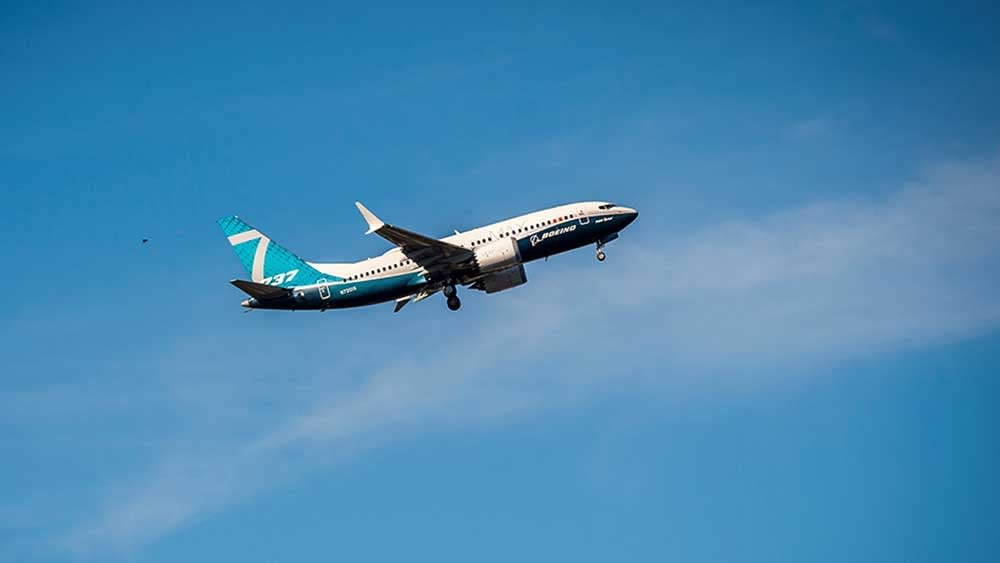
Boeing reported a wider-than-expected Q2 loss of $428 million, driven largely by a $280 million charge for the delayed Air Force One program. Despite these financial headwinds and ongoing production challenges, the company maintained its annual guidance and reported positive free cash flow.
Boeing Faces Financial Headwinds Amid Program Delays
Boeing’s second-quarter financial results have underscored the significant challenges facing the aerospace giant as it attempts to stabilize its operations. The company reported a net loss of $428 million, a figure that exceeded analyst expectations and highlighted the volatility inherent in its high-stakes development programs. Central to this financial strain is the Air Force One replacement project, which necessitated a $280 million pre-tax charge due to surging engineering costs and ongoing schedule delays.
The Air Force One Burden
The Air Force One program, which involves the delivery of two next-generation aircraft based on the 747 platform, has become a significant liability for Boeing’s balance sheet. The project is currently targeting a delivery date of 2028, reflecting a timeline that has been marked by technical complexities and increased investment requirements. As Boeing’s CEO Kelly Ortberg noted in a message to staff, while progress is being made, the development phase remains fraught with execution risks that directly impact the company's bottom line.
Operational Stabilization and Cash Flow
Despite the disappointing bottom-line figures, Boeing’s report contained signals of operational resilience. The company successfully maintained its annual financial guidance, suggesting that leadership remains confident in its ability to navigate the current fiscal year. Notably, Boeing reported positive free cash flow, a critical metric for investors monitoring the company's ability to fund its ongoing manufacturing recovery and debt management efforts without further eroding shareholder value.
Quality Control and Production Hurdles
The financial pressure is compounded by persistent scrutiny of Boeing’s production quality, most notably regarding the 737 MAX series. Recent reports indicate that the Federal Aviation Administration (FAA) has flagged issues concerning seat installations on 737 MAX jets. These regulatory interventions represent more than just administrative hurdles; they disrupt delivery schedules, inflate costs, and force the company to divert resources from innovation to remediation, further complicating the stabilization process.
Market Outlook and Strategic Implications
Looking forward, Boeing finds itself in a delicate balancing act. Investors are closely watching how the company reconciles the high costs of government defense contracts, such as the presidential aircraft, with the need to ramp up production of its commercial fleet. The market reaction has been cautious as shareholders weigh the positive cash flow against the recurring charges that have characterized recent quarters.
Conclusion
Boeing’s Q2 results reflect an organization in transition, struggling to reconcile legacy program costs with the necessity of maintaining a competitive manufacturing cadence. The company's ability to deliver the Air Force One aircraft by 2028, while simultaneously resolving quality control issues on the 737 MAX, will likely determine its financial trajectory for the next several years. For now, Boeing remains focused on stabilizing its core operations while attempting to restore investor confidence in its project management capabilities.
Multiple Citing Sources