Fitch warns AI market correction emerging as major global credit risk
Source Entity
Yahoo Finance
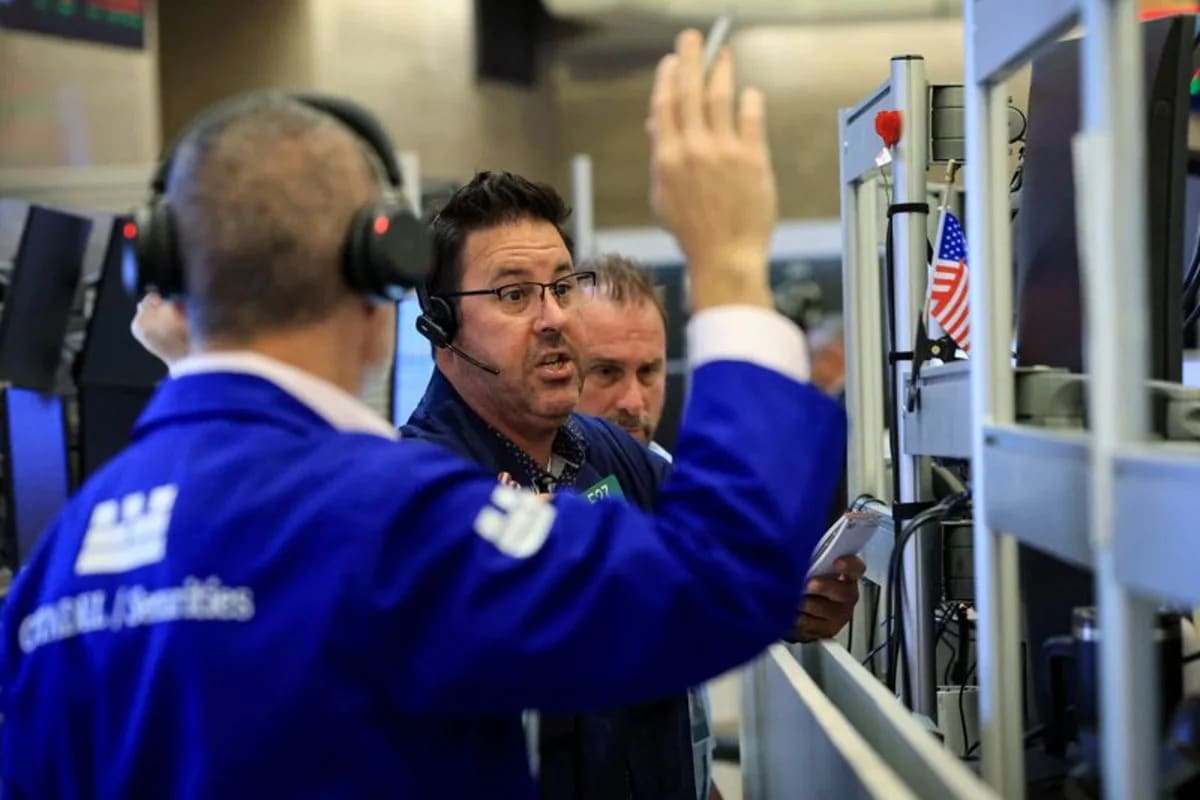
Fitch Ratings has identified the rapid AI investment boom as a significant global credit risk due to potential market corrections. The agency warns that current tech valuations may be outpacing actual financial returns, threatening economic stability.
The AI Investment Boom: A New Credit Frontier
Fitch Ratings has officially signaled a shift in global financial sentiment, identifying the ongoing artificial intelligence (AI) boom as a primary source of credit risk. In its third-quarter Global Risk Outlook, the agency highlights that the massive, unprecedented capital expenditure currently flowing into AI infrastructure may be detaching from the reality of future financial returns. This warning serves as a sobering counter-narrative to the prevailing optimism that has driven record-breaking valuations in the technology sector throughout the year.
The Mechanics of a Potential Correction
The core of Fitch’s concern lies in the disconnect between current spending levels and the lack of immediate, tangible profitability. When large-scale capital investments are driven by speculation rather than proven productivity gains, the risk of a market correction increases significantly. If the expected efficiencies and revenue streams from AI integration fail to materialize within a reasonable timeframe, investors may begin to recalibrate their risk profiles, leading to a rapid sell-off that could destabilize broader financial markets, particularly in the United States where AI-heavy tech stocks are concentrated.
Economic Interconnectedness and Systemic Risk
Fitch emphasizes that the AI sector is no longer an isolated niche; it has become deeply intertwined with the global economy and capital market health. Because major institutional investors and pension funds have increased their exposure to these tech-heavy indices, any significant volatility in AI-related stocks poses a systemic risk. This creates a feedback loop where market sentiment becomes a proxy for economic stability, making the global financial system more vulnerable to sudden shifts in investor confidence regarding the long-term viability of AI business models.
Geopolitical Overlays: The Dual-Threat Environment
While the AI market correction remains a central concern, Fitch notes that it is not the only shadow looming over the global economy. The agency identifies the ongoing uncertainty stemming from the U.S.-Iran conflict as a concurrent risk factor. By bundling these two issues—technological market instability and geopolitical tension—Fitch is painting a picture of a fragile global macro environment where investors must balance domestic tech speculation against unpredictable international security developments.
Future Trends and Market Sustainability
Looking ahead, the sustainability of the AI growth trajectory will likely depend on the transition from 'investment-heavy' phases to 'revenue-generating' phases. If companies cannot demonstrate clear, scalable ROI (Return on Investment), the credit risks identified by Fitch will likely exacerbate. Market participants should expect increased scrutiny from ratings agencies regarding the debt-servicing capabilities of firms heavily leveraged to fund AI expansion. A period of consolidation or a more cautious approach to capital allocation seems increasingly probable as the market matures.
Conclusion
In summary, Fitch’s latest warning acts as a critical reality check for the global financial community. By highlighting the vulnerability of current AI valuations and linking them to broader credit risks, the agency underscores the necessity of prudent risk management. While the potential for AI-driven transformation remains immense, the immediate challenge lies in navigating the volatility inherent in such a rapid, capital-intensive expansion during a period of significant geopolitical instability.