Asked to vacate property, woman tries to hurl purse at Bombay HC judge: ‘That’s contempt’
Source Entity
The Indian Express
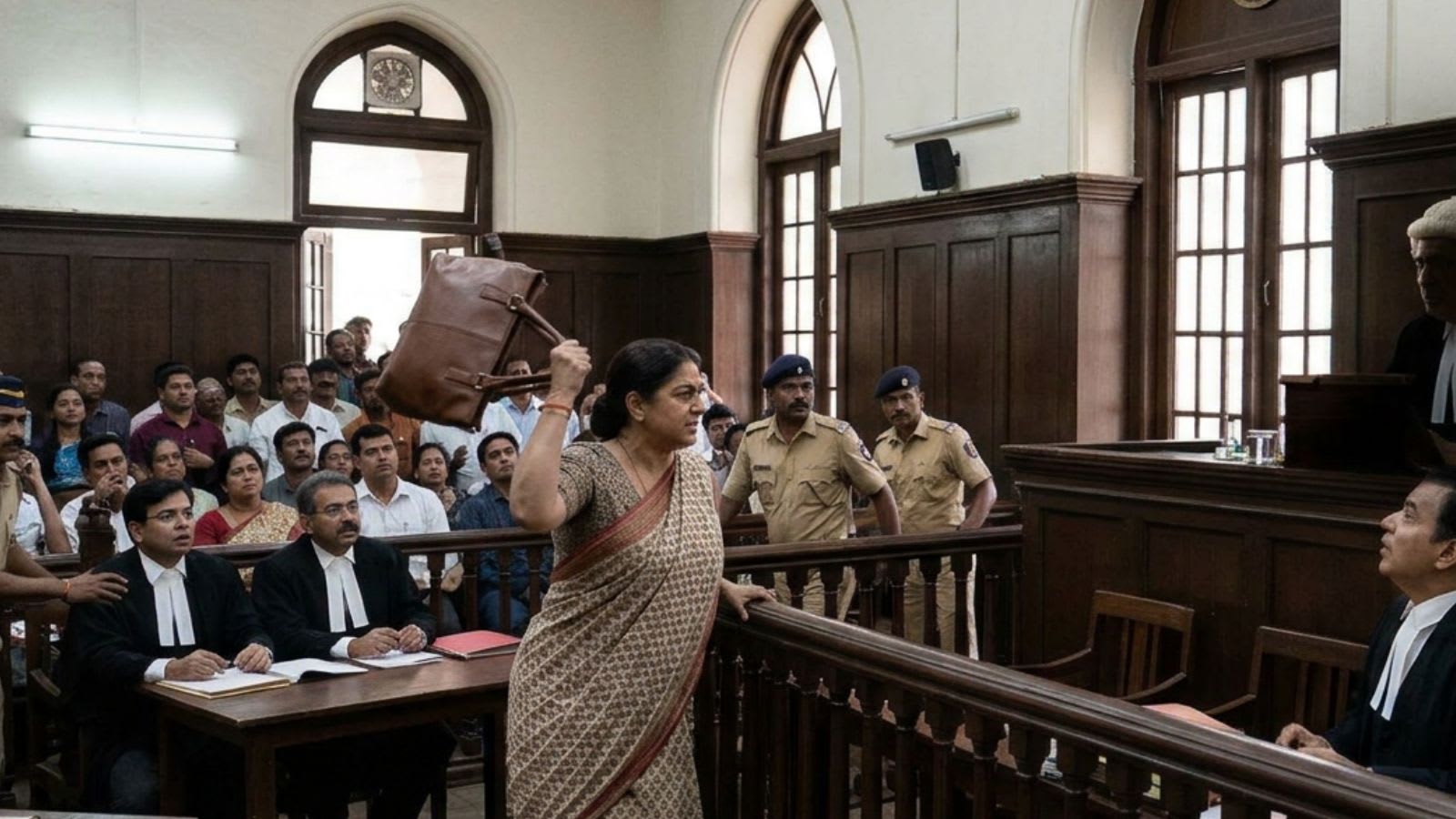
A litigant at the Bombay High Court faces contempt proceedings after attempting to throw her purse at a judge. The incident occurred following an unfavorable property eviction order against her family.
Judicial Order and Behavioral Outburst
On Tuesday, October 27, an unprecedented scene unfolded in the Bombay High Court when a litigant, identified as Minder Gurmit Singh Thukral, reacted to an adverse court order by attempting to throw her purse at the presiding judge, Justice Madhav J. Jamdar. The incident occurred during a hearing regarding a property possession dispute, specifically involving a contempt petition. The court had just issued a directive requiring the woman’s family to vacate the property in question, a decision that clearly triggered a volatile emotional response from the litigant.
The Legal Definition of Contempt
Justice Jamdar immediately addressed the gravity of the incident, labeling the woman's behavior as "wholly inappropriate" and explicitly stating that it constitutes contempt of court. In the Indian legal system, contempt of court is a serious offense intended to protect the dignity and authority of the judiciary. By attempting to physically assault or intimidate a judge within the courtroom, the litigant crossed a critical boundary that separates civil disagreement from criminal interference with the administration of justice.
Consequences for Judicial Conduct
Following the outburst, the court orally announced its intention to initiate formal contempt proceedings against Thukral. Furthermore, the judge indicated that costs would be imposed as a direct result of her conduct. This move serves as a deterrent, reinforcing the principle that courtrooms must remain spaces of decorum and respect, regardless of the emotional stakes involved in property litigation. The imposition of costs acts as a financial penalty for the disruption caused, signaling that the court will not tolerate behavioral deviations.
Broader Implications for Courtroom Security
This incident highlights the mounting pressure on the Indian judiciary, where property disputes often involve high emotional stakes and long-standing familial tensions. The Bombay High Court, like many high-traffic judicial institutions, is tasked with balancing open access to justice with the necessity of maintaining a secure environment. Such outbursts often lead to discussions regarding the strengthening of security protocols within courtrooms to protect judges and staff from unpredictable litigants.
Historical Context and Future Trends
Historically, the Bombay High Court has maintained a strict stance on maintaining order, often utilizing its contempt powers to ensure that proceedings are not derailed by unruly behavior. Looking forward, this event may influence how courts handle volatile litigants, potentially leading to increased reliance on courtroom marshals or security personnel during hearings involving high-conflict property evictions. The judiciary continues to prioritize the integrity of its processes, ensuring that even in the face of heated opposition, the rule of law remains paramount.