Big relief for actor Imran Khan: Bombay HC keeps in abeyance 'leave India' notice
Source Entity
SWATI DESHPANDE
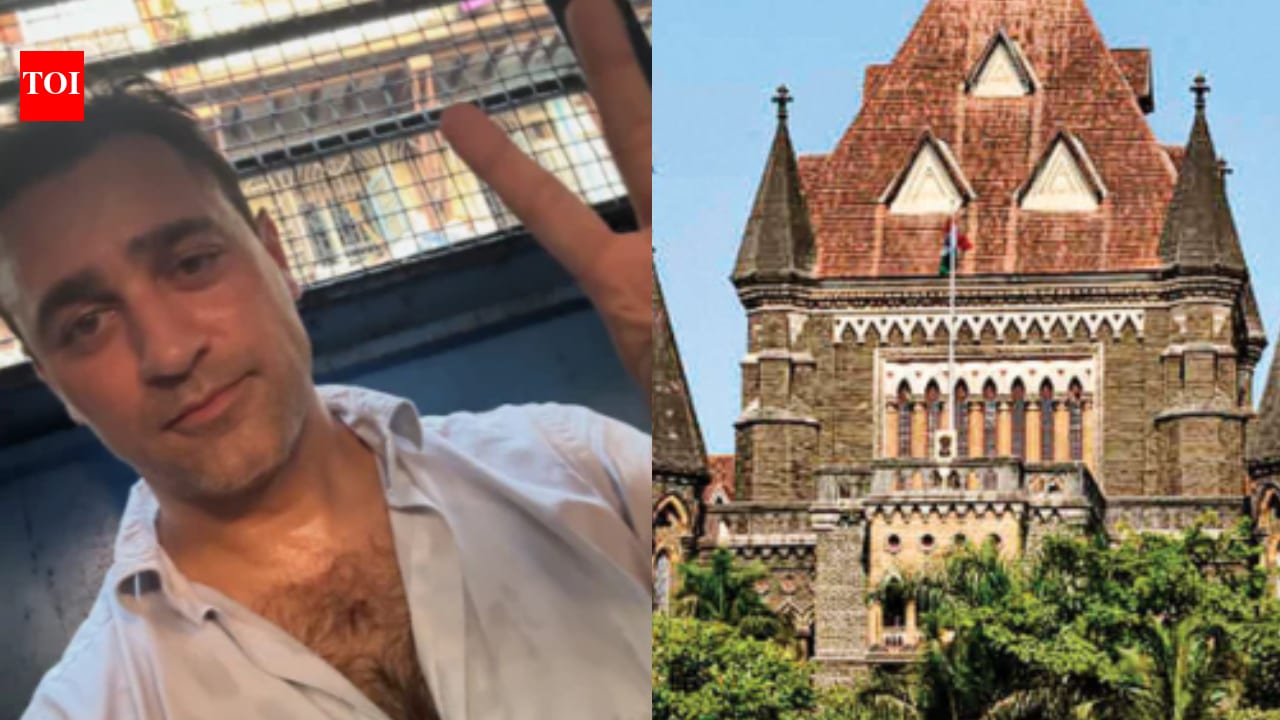
The Bombay High Court has granted actor Imran Khan interim relief by staying a 'Leave India Notice' issued by the FRRO. The court adjourned the matter until November 2, allowing Khan to remain in the country while legal challenges regarding his residency and due process are addressed.
Legal Reprieve for Actor Imran Khan: An Analysis of the FRRO Notice Dispute
The Judicial Intervention
The Bombay High Court has provided significant temporary relief to actor Imran Khan Pal, effectively staying a 'Leave India Notice' that would have forced his departure from the country. A division bench, led by Chief Justice Mahesh Chandra Tripathi, granted this stay following a petition filed by the actor. The court recorded an oral assurance from Additional Solicitor General Anil C. Singh, representing the Centre, that the notice would be kept in abeyance until the next scheduled hearing on November 2, 2026.
Core Legal Arguments
At the heart of this legal battle is the Foreigners Regional Registration Office (FRRO) notice, which was reportedly issued following Khan’s alleged participation in a political protest in Mumbai. Khan’s legal team has mounted a multi-pronged defense, primarily focusing on the violation of constitutional rights and the lack of due process. The petitioner contends that he was denied an opportunity to be heard before the drastic measure of a departure notice was issued, which he characterizes as an act of political vendetta.
Residency and Citizenship Status
Imran Khan asserts that he has been a resident of India since he was two years old and currently holds an Overseas Citizen of India (OCI) card. This status is central to his defense, as it challenges the state's authority to summarily dismiss his right to reside in the country. The defense argues that the notice fails to account for his long-standing ties to the nation, framing the FRRO's actions as a potential overreach of administrative power.
Procedural Complications
The case has introduced complex procedural questions, including debates over whether the matter falls under civil or criminal jurisdiction. Intervening counsel, including Advocate Sunil Kumar, have argued that the nature of the FRRO notice intersects with criminal jurisdiction, thereby challenging the appropriateness of the current bench hearing a civil petition. These procedural nuances highlight the gravity of the legal test currently facing the judiciary.
Broader Implications for Due Process
This case serves as a critical touchstone for the intersection of personal rights and administrative authority in India. By challenging the 'Leave India Notice,' the petitioner is testing the limits of how far the state can go in restricting the movement of individuals based on political activities. The court's decision to maintain the stay until November 2 underscores the judiciary's commitment to ensuring that administrative actions—especially those involving deportation—are subject to rigorous judicial scrutiny and the principles of natural justice.
Conclusion
As the hearing approaches on November 2, the case remains a focal point for discussions on civil liberties and the treatment of OCI cardholders. The outcome will likely set a precedent for how the FRRO exercises its power regarding residency notices in the context of political involvement, making it a closely watched development in the Indian legal landscape.