New Rs 1,000 note with temple design? PIB Fact Check debunks viral claim
Source Entity
SUBHADRA SRIVASTAVA
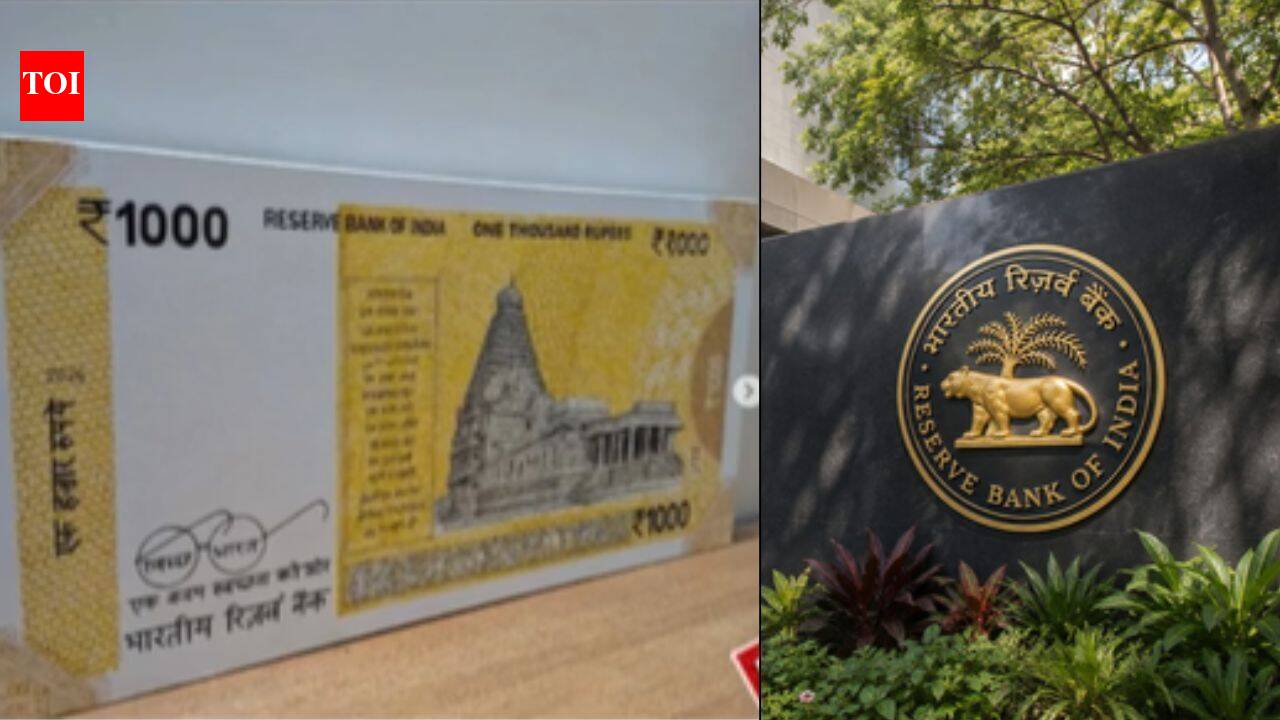
Government authorities have debunked two major viral claims: one regarding the reintroduction of Rs 1,000 notes and another concerning alleged Chinese border intrusions. These clarifications highlight the government's ongoing effort to combat misinformation through official fact-checking channels.
The War on Misinformation: Fact-Checking in the Digital Age
In an era where digital information spreads at an unprecedented velocity, the integrity of public discourse is increasingly challenged by viral misinformation. Recently, two distinct claims—one involving national currency and the other concerning border security—were formally debunked by official government sources, highlighting a critical tension between rapid social media consumption and verified truth.
Debunking the Rs 1,000 Note Myth
The viral claim suggesting the reintroduction of a new Rs 1,000 banknote featuring a temple design has been categorically refuted by the Press Information Bureau (PIB) Fact Check. This rumor likely gained traction by exploiting public nostalgia or curiosity regarding the 2016 demonetization of the original Rs 1,000 note. By effectively leveraging its fact-checking mandate, the PIB prevented the spread of financial confusion, underscoring the necessity for citizens to rely solely on official communications from the Reserve Bank of India regarding currency policy.
Geopolitical Misinformation and National Security
Parallel to the currency rumor, a significant political controversy emerged concerning alleged Chinese border intrusions. Union Minister Kiren Rijiju publicly challenged the Congress party, demanding an apology after the Indian Army formally debunked these claims. This episode illustrates how sensitive geopolitical topics are frequently weaponized for domestic political gain, creating a climate of uncertainty that can undermine national security narratives.
The Intersection of Politics and Digital Literacy
The demand for an apology from the government toward the opposition reflects the deepening divide in how security information is interpreted and communicated. When political actors propagate unverified reports about border security, it not only risks spreading falsehoods but also complicates the diplomatic and strategic position of the armed forces. The Army’s direct intervention serves as a necessary corrective, emphasizing that national security matters must be shielded from partisan misinformation.
Broader Implications for Future Discourse
These incidents serve as a microcosm of the broader challenges facing modern governance. The reliance on official fact-checkers is becoming a cornerstone of democratic stability, as the speed of social media often outpaces the institutional capacity for verification. As we look toward future trends, the reliance on verified government portals will likely grow as the primary defense against coordinated disinformation campaigns that seek to destabilize public trust in financial and security institutions.
Conclusion
In conclusion, the successful debunking of these claims reaffirms the importance of institutional accountability. Whether it concerns the denomination of currency or the sanctity of international borders, the verification of information remains a vital civic duty. Moving forward, a more media-literate public, combined with proactive institutional fact-checking, will be the most effective bulwark against the erosion of truth in the digital age.
Multiple Citing Sources