ECI’s stand that additional declaration is not part of Form 6 comes days after SC said it will examine ‘new’ Form 6
Source Entity
India Latest News: Top National Headlines Today & Breaking News | The Hindu
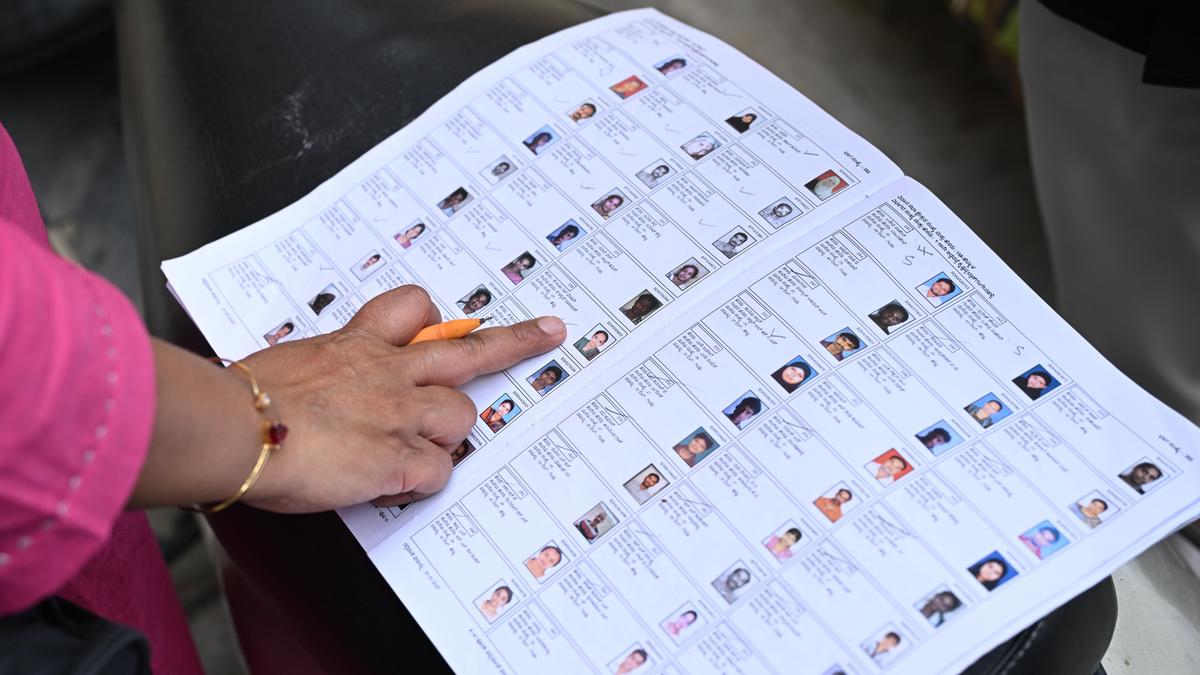
The Supreme Court has deferred hearings regarding a petition challenging the Election Commission's Special Intensive Revision (SIR) process. Petitioners, including Rahul Gandhi, seek the preservation of records following allegations of internal dissent within the commission.
The Election Commission and the Judiciary: A Constitutional Stand-off
The Indian political landscape is currently witnessing a significant legal challenge concerning the functional autonomy and internal decision-making processes of the Election Commission of India (ECI). The Supreme Court of India is currently seized of a batch of petitions that question the legitimacy of the Special Intensive Revision (SIR) of electoral rolls, specifically targeting the conduct of Chief Election Commissioner (CEC) Gyanesh Kumar. At the heart of this controversy are allegations that unilateral decisions were made during the revision process, bypassing the requirement for consensus among the commission’s members.
The Genesis of the Legal Challenge
The impetus for this judicial scrutiny stems from an investigation suggesting that Election Commissioners Sukhbir Singh Sandhu and Vivek Joshi had recorded disagreements on 14 separate occasions over a 10-month period. This report triggered a petition by advocate Rakesh Kumar Singh, which initially sought the suspension of CEC Gyanesh Kumar pending a formal inquiry. The gravity of these allegations has drawn high-profile attention, with the Leader of the Opposition in the Lok Sabha, Rahul Gandhi, joining the legal push to ensure transparency in how electoral rolls are managed.
The ECI’s Defense and Constitutional Protections
In response to the mounting pressure, the Election Commission has submitted a formal counter-affidavit to the Supreme Court. The ECI asserts that all decisions regarding the Special Intensive Revision were reached unanimously, effectively refuting claims of unilateralism. Furthermore, the commission has emphasized the constitutional protections afforded to the CEC, noting that the officeholder cannot be removed from their position except through the rigorous procedures applicable to a Supreme Court judge, thereby insulating the office from arbitrary political interference.
The Judicial Intervention: Preserving the Records
A critical development in these proceedings is the petitioners' request for the Supreme Court to mandate the preservation of all 'complete' records and decision-making minutes related to the SIR exercise. Represented by senior advocate Abhishek Manu Singhvi, the petitioners argue that this request is an 'innocuous' step aimed at ensuring the integrity of the electoral process. By seeking these records, the petitioners aim to determine whether the internal disagreements documented in recent investigative reports were appropriately addressed or disregarded during the finalization of the electoral rolls.
Broader Implications for Electoral Integrity
The Supreme Court, led by Chief Justice of India Surya Kant, has opted to defer the hearing until after the Diwali holiday, granting the petitioners a 10-day window to formally respond to the ECI’s counter-affidavit. This delay underscores the court’s cautious approach to balancing the ECI's administrative autonomy with the necessity of public accountability. The outcome of this case will have long-standing implications for the ECI’s internal governance, as it tests the limits of transparency required by a constitutional body tasked with overseeing the world's largest democratic exercises.
Future Trends in Election Oversight
As the legal process unfolds, the focus remains on whether the judiciary will intervene in the internal mechanics of the ECI. If the court orders the disclosure of the SIR records, it could set a new precedent for how election commissions justify their internal disagreements and administrative decisions. This case serves as a reminder of the evolving tension between executive decision-making and democratic oversight, signaling that the structural integrity of the ECI will remain a focal point for political debate and judicial review in the coming years.
Multiple Citing Sources
Verification Required?