Siang dam project: Planned to ‘counter China’, why it is being opposed in Arunachal
Source Entity
Shinjini Ghosh
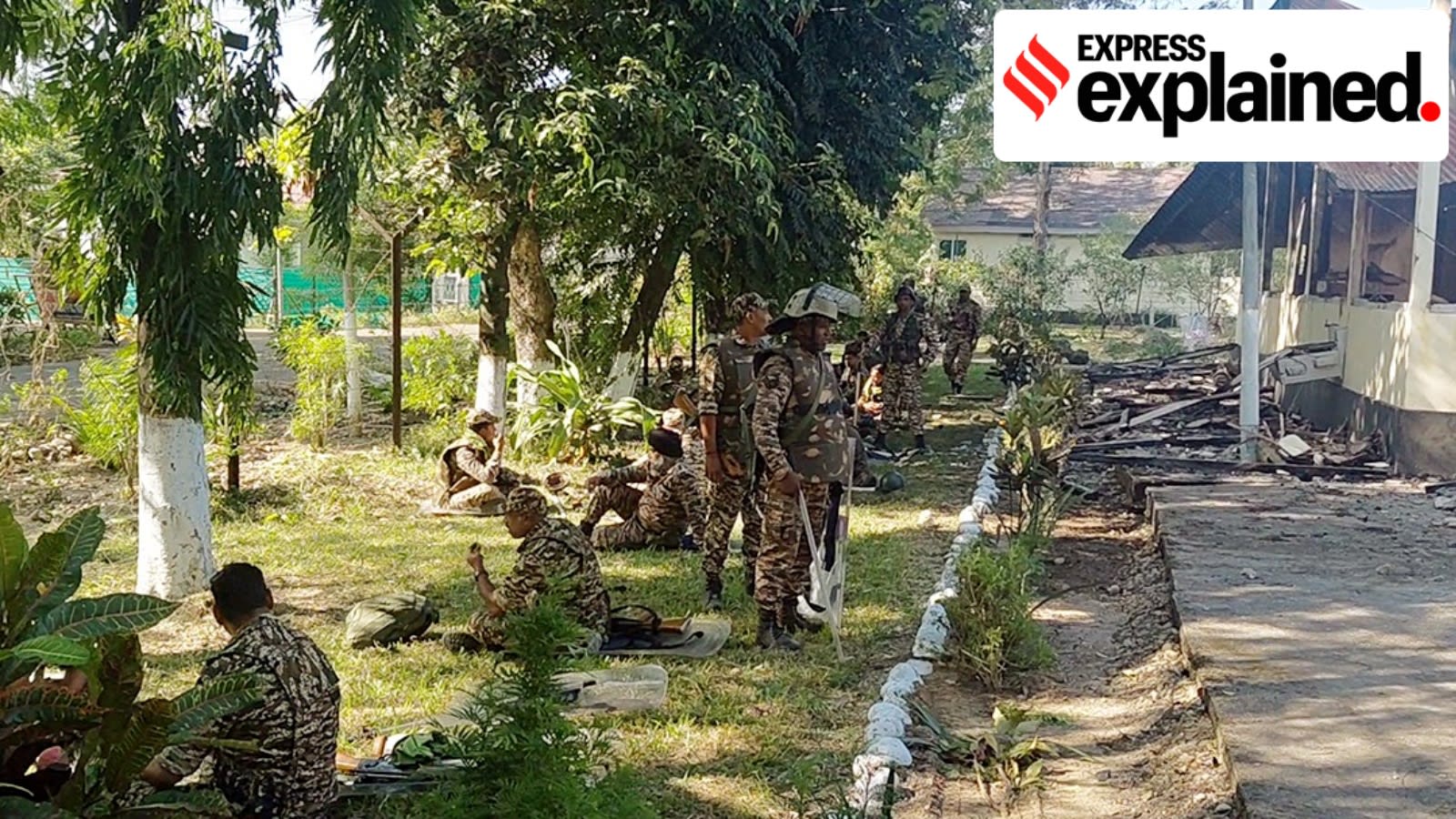
Arunachal Pradesh faces escalating unrest as indigenous communities protest large-scale hydroelectric projects, citing cultural and economic threats. The government justifies these dams as critical for national security to counter Chinese upstream developments.
The Geopolitical and Local Conflict Over Arunachal’s Dams
The state of Arunachal Pradesh has become a flashpoint for intense civil unrest as the government pushes forward with massive hydroelectric infrastructure projects, most notably the 11,200-MW Siang Upper Multipurpose Project (SUMP) and the 1,605-MW Subansiri Upper Hydroelectric Project (Menga Dam). These initiatives, framed by the state as essential for national security and strategic autonomy, have met with fierce opposition from indigenous groups, including the Adi and Tagin communities, who perceive these developments as existential threats to their heritage, land rights, and economic security.
The Security-Development Nexus vs. Local Sovereignty
The central government’s justification for these projects is deeply rooted in the broader geopolitical rivalry between India and China. By constructing large-scale dams on the Siang and Subansiri rivers, the state aims to establish a physical presence and water-storage capacity that can serve as a counterweight to China’s own ambitious upstream dam construction projects. However, this national security narrative clashes directly with the local reality, where residents view the projects as a disruption to their ancestral lands and traditional livelihoods, leading to a breakdown in trust between the state and the populace.
Escalation of Civil Unrest
Recent weeks have seen the situation deteriorate significantly. A 12-hour shutdown in the Siang belt, followed by similar protests in the Upper Subansiri district, has been marked by instances of arson, vandalism, and violent clashes with law enforcement. The detention of community leaders, such as the All Tagin Students’ Union (ATSU) president Tadak Pakba, has served as a catalyst for further agitation. The intensity of these protests has reached such a level that the government has had to airlift riot-control forces to the region to restore order, signaling a deepening crisis of governance in the area.
Cultural and Environmental Apprehensions
Beyond the immediate political friction, the opposition is driven by profound concerns over the long-term impact on the region’s ecology and cultural identity. For the Adi and Tagin communities, the rivers are not merely resources but central elements of their cultural heritage. The pre-feasibility survey (PFR) process, rather than assuaging fears, has only served to increase anxieties among locals, who fear that their displacement and the alteration of the riverine landscape are inevitable if these projects proceed unchecked.
Future Trends and Policy Implications
The ongoing violence highlights the difficulty of balancing strategic national interests with the rights of indigenous populations in sensitive border regions. If the government continues to prioritize these projects through force rather than inclusive dialogue, it risks long-term instability in a region already prone to border tensions. The reliance on police force and the registration of criminal cases against protesters suggest a strategy of containment that may fail to address the underlying grievances, potentially leading to further polarization and recurring cycles of protest as future project milestones are reached.