Trump jokes $5,000 would buy 'a hamburger and maybe a small dessert' at Mar-a-Lago as cost of living looms over midterms
Source Entity
US Top News and Analysis
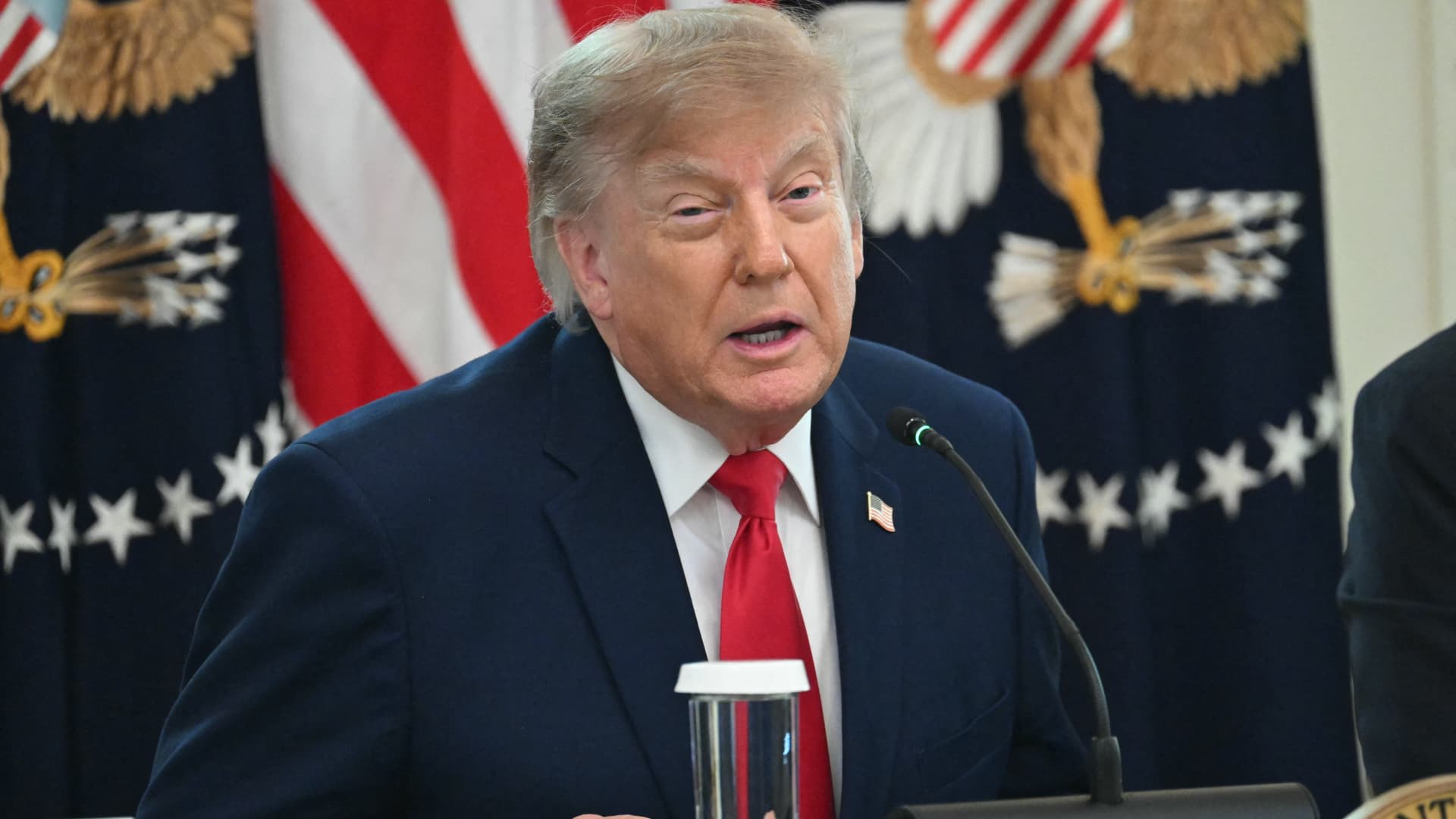
President Trump is campaigning on a proposal to provide $5,000 payments to U.S. adults if Republicans win the midterms. He has used humor to highlight current affordability issues, suggesting the funds would have limited purchasing power at his Mar-a-Lago club.
The Intersection of Campaign Promises and Economic Anxiety
As the 2026 midterm elections approach, President Donald Trump has centered his closing campaign argument on a bold economic proposal: a one-time $5,000 payment to every adult U.S. citizen. This pledge, contingent upon Republicans securing control of both the House and the Senate, is explicitly framed as an effort to stimulate the domestic economy, with the President stipulating that these funds must be spent within the United States.
Inflation and the Rhetoric of Affordability
While promoting this financial initiative, President Trump has engaged in a rhetorical strategy that highlights the very economic struggles his policy aims to address. During a rally in Lubbock, Texas, the President joked that $5,000 might only cover the cost of a "hamburger and maybe a small dessert" at his Mar-a-Lago club. This quip serves a dual purpose: it emphasizes the rising cost of living that has dominated voter sentiment and provides a self-deprecating nod toward the high-end nature of his own properties.
Strategic Messaging in the Final Stretch
This campaign stop in Texas underscores the high stakes of the upcoming midterms. By linking the $5,000 payout directly to the legislative success of the Republican party, the President is attempting to mobilize voters who are feeling the pinch of inflation. The message is clear: the path to direct federal financial assistance is paved with a Republican majority in Congress, framing the vote as a direct transaction for economic relief.
The Impact of Populist Economic Policy
Proposals of this nature reflect a broader political trend of utilizing direct fiscal stimulus to combat voter dissatisfaction. By tying the payout to a "spend in America" requirement, the administration is leaning into economic nationalism, aiming to bolster domestic consumption. However, the President’s lighthearted remarks about the limited purchasing power of such a sum at a luxury venue like Mar-a-Lago also highlight the persistent gap between elite lifestyle costs and the everyday expenses of the average American household.
Future Trends and Voter Perception
As the election cycle concludes, the success of this messaging will be tested at the ballot box. If the Republicans succeed in capturing both chambers, the administration will face immediate pressure to operationalize this $5,000 payout. Conversely, the focus on this proposal suggests that the President recognizes affordability as the primary concern for the electorate, a trend that is likely to dictate the legislative priorities of the next session of Congress regardless of the final outcome.
Conclusion
President Trump’s recent campaign rhetoric effectively bridges the gap between high-level policy promises and the lived reality of inflation. By acknowledging the limits of his proposed payment while simultaneously pitching it as a solution to economic hardship, he maintains a narrative of personal engagement with the voters' financial struggles. Whether this strategy will prove sufficient to sway the midterms remains the defining question of the final week of the campaign.