Gadi Eisenkot: The Man Who Could Bring Benjamin Netanyahu's Long Rule To An End
Source Entity
NDTV News Search Records Found 1000
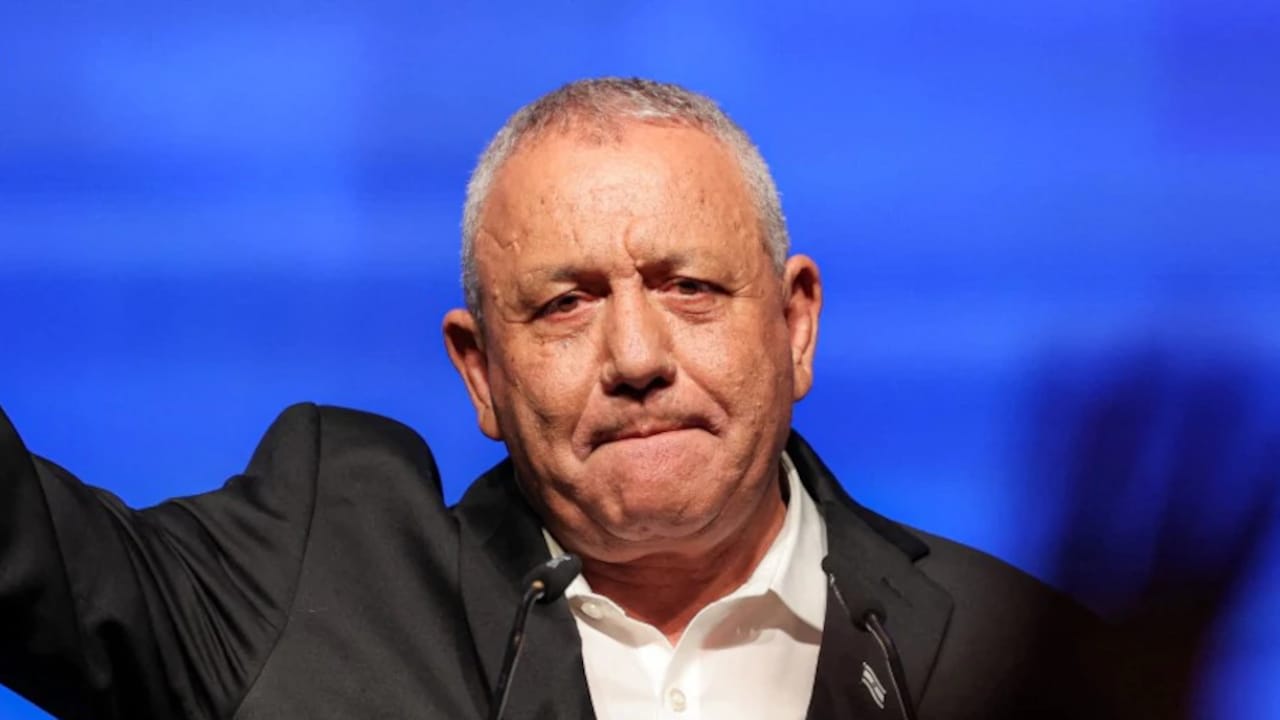
Former Israeli military chief Gadi Eisenkot has emerged as a significant political challenger to Benjamin Netanyahu. His transition from a decorated general to a moderate-security opposition figure highlights a pivotal shift in Israel's complex political landscape.
The Rise of Gadi Eisenkot: Challenging the Status Quo
In the volatile landscape of Israeli politics, the emergence of Gadi Eisenkot represents a significant shift in the power dynamics surrounding Prime Minister Benjamin Netanyahu. A veteran of the Israeli Defense Forces, Eisenkot served as the military chief of staff from 2015 to 2019, a tenure that solidified his reputation as a seasoned strategist. Now, as a 66-year-old politician who entered the fray in 2022, he stands at the center of a national narrative that pits established military pedigree against long-standing political incumbency.
A Journey from the Ranks to the Ballot Box
Eisenkot’s path to the political forefront is deeply rooted in his four decades of military service. Born to a working-class family of Jewish Moroccan immigrants, his rise through the military hierarchy is often viewed as a testament to the meritocratic aspirations of Israeli society. This background contrasts sharply with the traditional political elite, potentially broadening his appeal among voters who prioritize both national security and socioeconomic upward mobility. His transition from the military’s top ranks to the political sphere mirrors a common historical trend in Israel, where former generals frequently leverage their security credentials to seek high office.
The Security-Moderate Synthesis
What makes Eisenkot a unique challenger is his deliberate attempt to occupy a hybrid political space. While he maintains a traditionally hawkish stance on national security—a prerequisite for credibility in the Israeli electorate—he simultaneously positions himself as a moderate alternative to Netanyahu. This balancing act is designed to capture voters who are wary of the current government's policies but remain deeply concerned about regional stability. By framing his candidacy as a pragmatic path forward, he seeks to appeal to a broad coalition of voters disillusioned by recent political deadlock.
The Deadlocked Reality of Israeli Elections
Recent reports indicate that the nation’s wartime election has resulted in a stalemate, with exit polls suggesting a neck-and-neck race between Eisenkot’s opposition bloc and Netanyahu’s camp. This deadlock underscores the profound polarization currently defining the Israeli electorate. Neither side currently possesses a clear path to power, reflecting a country divided not just on policy, but on the very direction of its governance. The uncertainty surrounding the final tally highlights the high stakes of this political contest and the fragility of current coalition structures.
Future Implications for Israeli Governance
Should Eisenkot’s bid for the country’s highest office continue to gain momentum, it could signal a long-term recalibration of Israel's political future. His ability to challenge Netanyahu, who has maintained an exceptionally long rule, suggests that the appetite for change is significant, even if the electoral math remains challenging. As the situation evolves, the impact of his military-to-politics trajectory will likely serve as a case study for future candidates who seek to dismantle entrenched power structures by appealing to a synthesis of security pragmatism and political moderation.
Verification Required?