Former Miss Switzerland alleges Trump raped her in 1993, used beauty pageants to prey on women with Epstein
Source Entity
Latest News: Todays Latest News Headlines from India & World | Hindustan Times | Hindustan Times
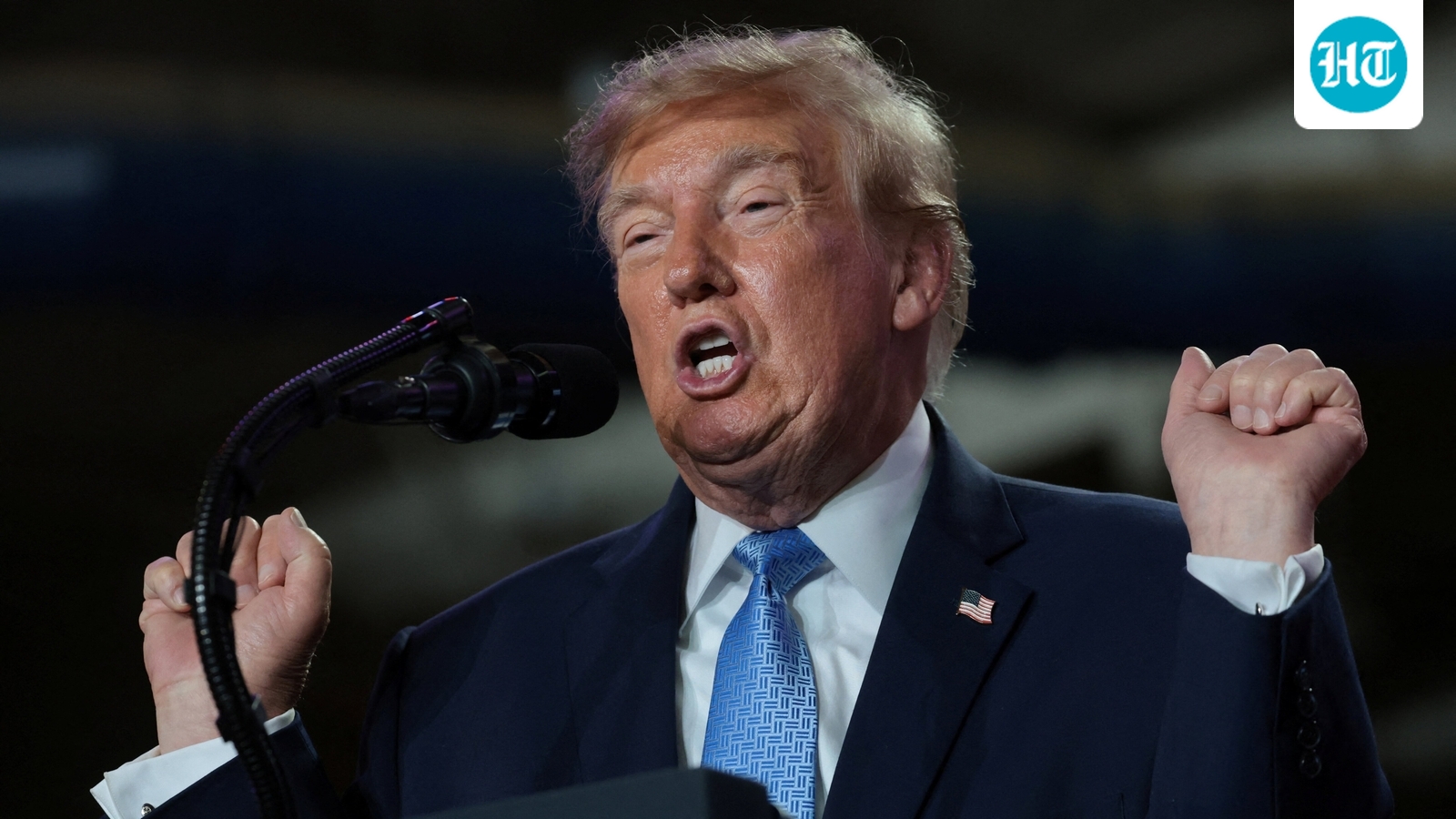
Former Miss Switzerland Beatrice Keul has accused Donald Trump of raping her in 1993, citing a pattern of predatory behavior involving Jeffrey Epstein. The White House has officially rejected the allegations, labeling the House Judiciary Committee report as a politically motivated attack.
Allegations Against Donald Trump: A Deep Dive into the 1993 Incident
Recent reports originating from a 53-page document released by Democrats on the U.S. House Judiciary Committee have brought forward grave allegations against former President Donald Trump. Beatrice Keul, a former Miss Switzerland who was 24 years old at the time of the alleged incident, has accused Trump of rape during a 1993 press luncheon held at the Plaza Hotel in New York City. These claims, which include descriptions of physical trauma, represent a significant escalation from her previous assertions that Trump had groped her during the same encounter.
The Intersection of Pageants and Predatory Behavior
The House Judiciary Committee report suggests that Trump’s involvement in the beauty pageant industry was not merely a business venture but a mechanism for targeting vulnerable women. According to the testimony, Keul was allegedly enticed by promises of support for a U.S. visa and educational opportunities, which left her feeling trapped and fearful. This narrative aligns with the report’s broader investigation into how the pageant environment may have been exploited to facilitate predatory interactions.
The Epstein Connection
Central to the committee’s report is the alleged link between Donald Trump and the late convicted sex offender Jeffrey Epstein. Keul claims that shortly after her encounter with Trump, she was contacted by Epstein, who allegedly extended similar invitations to exclusive events. The report explicitly examines these associations, suggesting a potential pattern of behavior that warrants a formal, independent investigation into the extent of the relationship between the two men and their shared social circles.
Official Responses and Political Context
The White House has categorically rejected the findings presented in the 53-page report. In a formal response, a spokesman for the administration dismissed the document as a "desperate attempt by crazed Democrats" to damage the President’s reputation. This highlights the deeply polarized political climate surrounding these accusations, where the validity of testimony is frequently filtered through partisan lenses, complicating the public's ability to discern the facts.
Historical Implications and Future Trends
These allegations place the intersection of celebrity, power, and sexual misconduct under a harsh spotlight. Historically, high-profile figures have often utilized their positions of influence to evade accountability, but the current climate—influenced by the #MeToo movement—has created a greater appetite for institutional transparency. If the call for an independent investigation into Trump’s association with Epstein gains traction, it could set a significant legal precedent for how historical allegations against public officials are handled in the modern era.
Conclusion
The accusations made by Beatrice Keul are serious and underscore the ongoing scrutiny surrounding Donald Trump’s past professional conduct. While the White House maintains that these claims are politically motivated, the House Judiciary Committee’s focus on the alleged nexus between Trump, his pageant business, and Jeffrey Epstein ensures that this controversy will remain a focal point of intense legal and public debate. The outcome of further investigations, should they occur, will likely have lasting impacts on the discourse surrounding executive accountability.
Multiple Citing Sources
Verification Required?