Farage calls EU return ‘utterly moronic’, slams PM’s ‘out-of-date’ ideas & claims on channel boats
Source Entity
Latest News: Todays Latest News Headlines from India & World | Hindustan Times | Hindustan Times
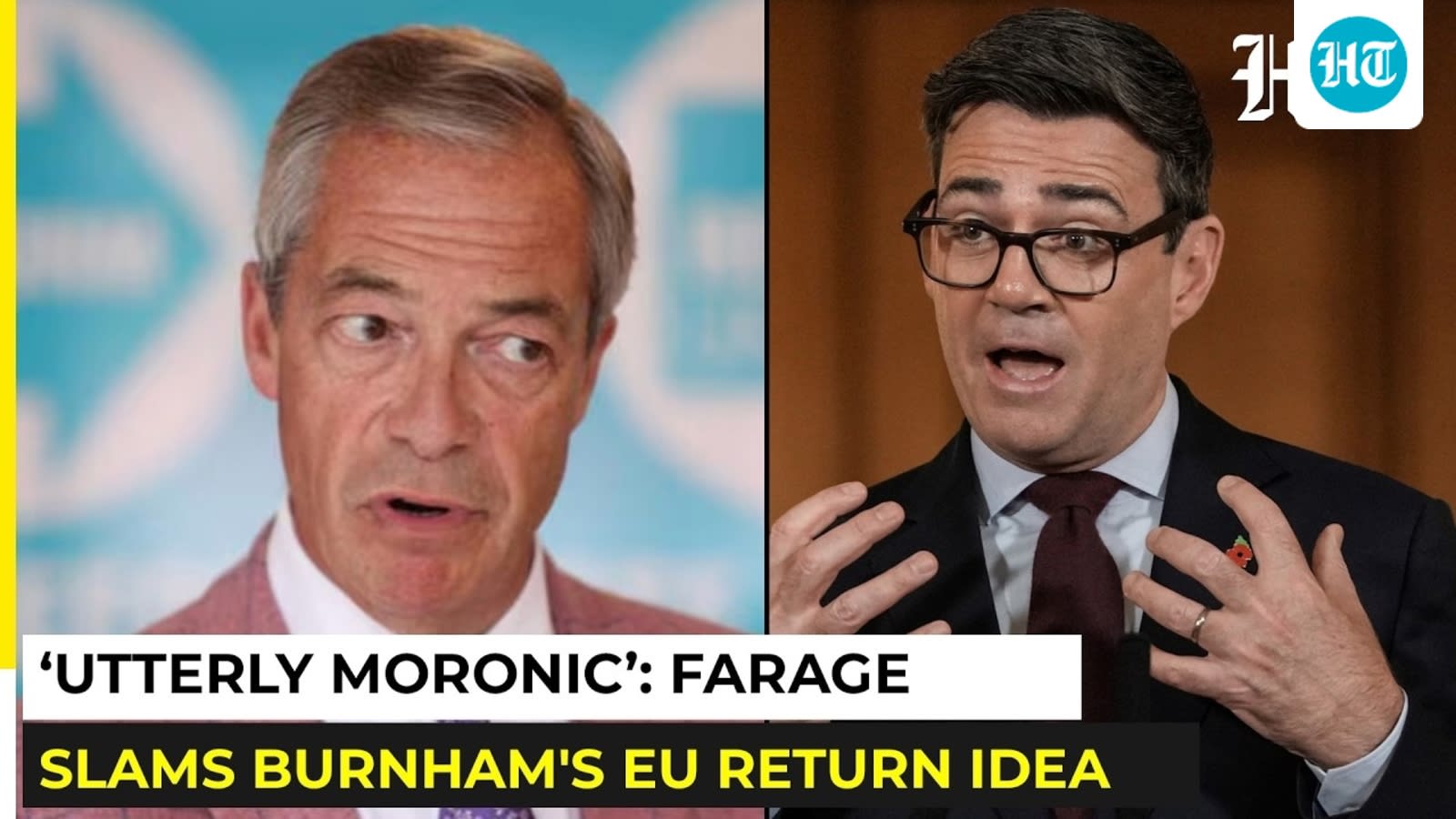
Reform UK leader Nigel Farage has sharply criticized Prime Minister Keir Starmer, labeling any return to the EU single market as 'moronic'. He further challenged the government's efficacy in managing small-boat illegal migration, reigniting national debates on post-Brexit strategy.
The Post-Brexit Debate Reignites: Nigel Farage’s Critique of the Starmer Administration
A Sharp Rejection of Reintegration
Reform UK leader Nigel Farage has once again positioned himself at the center of the British political discourse by issuing a scathing critique of current government policy. During a recent address in London, Farage characterized any potential movement toward rejoining the European Union’s single market as "utterly moronic." This intervention serves as a clear signal that the ideological battle lines drawn during the 2016 referendum remain firmly in place, despite the UK having officially exited the bloc years ago.
Assessing the Brexit Legacy
Farage’s rhetoric acknowledges a complex reality: while he maintains that the decision to leave the European Union was fundamentally correct, he concedes that the promise of Brexit has not yet been fully realized. By accusing the current political leadership of "squandering the opportunities" provided by the withdrawal, Farage is framing the current economic and social climate as a failure of implementation rather than a failure of the policy itself. This narrative is designed to maintain pressure on the incumbent government to pursue a more aggressive, independent path.
Confronting Prime Minister Keir Starmer
Central to Farage's recent remarks is a direct attack on Prime Minister Keir Starmer. Farage has explicitly labeled Starmer’s ideas as "out-of-date," suggesting that the current Labour government is clinging to outdated frameworks that do not address the contemporary needs of a post-Brexit Britain. This criticism is symptomatic of the broader friction between the Reform UK platform and the current administration’s approach to international cooperation and domestic governance.
The Migration Crisis and Small-Boat Crossings
Beyond economic policy, Farage has pivoted to the highly sensitive issue of border control. By challenging the government’s claims regarding the management of illegal migration—specifically the persistent crisis of small-boat crossings in the English Channel—he is targeting one of the most significant vulnerabilities of the current administration. Farage’s skepticism regarding government efficacy in this area suggests that immigration will continue to be a primary wedge issue in future electoral contests.
Future Implications for British Policy
Looking ahead, these comments signal an intent to keep the debate over Britain’s relationship with Europe permanently on the legislative agenda. By framing the choice as a binary between a bold, independent future and a "moronic" return to European structures, Farage is attempting to box in the government. As the UK continues to navigate its post-Brexit identity, these arguments are likely to intensify, influencing public opinion and forcing the government to constantly justify its diplomatic and domestic security strategies.
Verification Required?