Karnataka loses nearly 1 crore voters after SIR
Source Entity
PEARL D'SOUZA
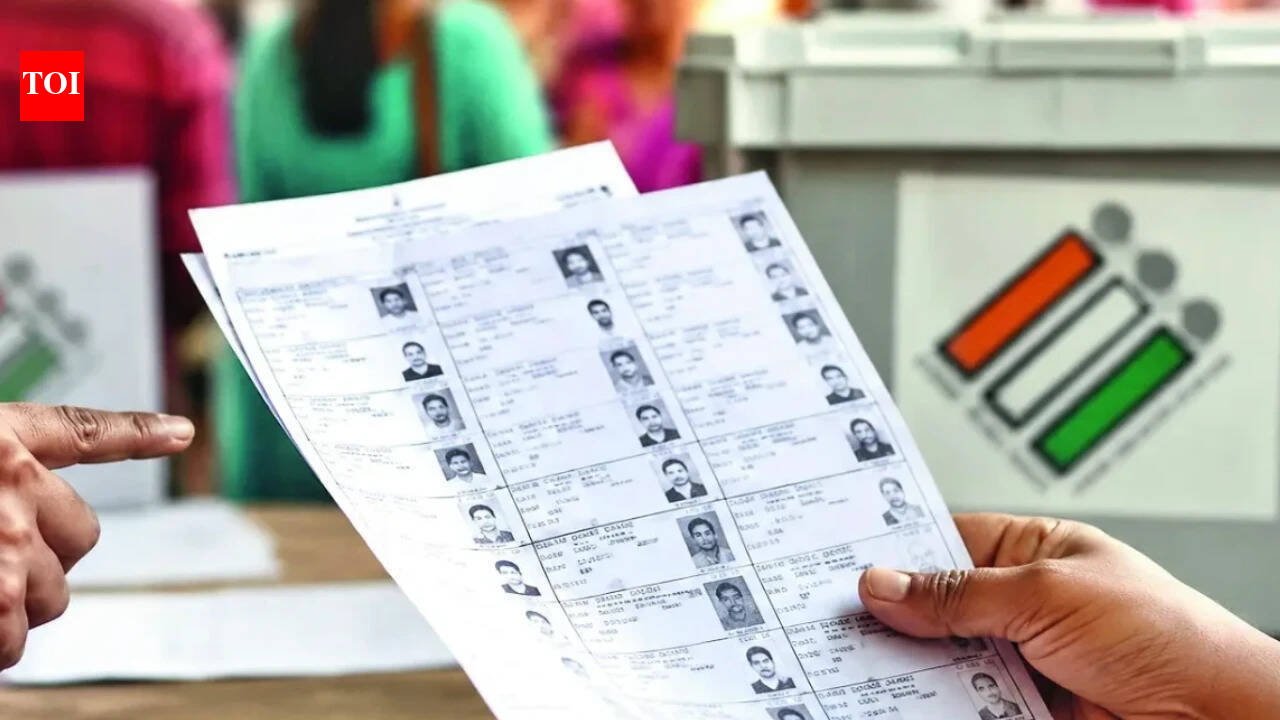
Karnataka's voter list has shrunk by nearly 1 crore following a rigorous Special Intensive Revision (SIR) process. The exercise aimed to purge the rolls of dead, duplicate, and shifted voters to ensure a cleaner electoral database.
Karnataka’s Electoral Roll Overhaul: A Comprehensive Analysis
The Scale of the Special Intensive Revision
The state of Karnataka recently concluded a massive electoral cleanup operation known as the Special Intensive Revision (SIR). Commencing with an initial electorate of approximately 5.54 crore voters as of June 16, the state underwent a rigorous verification process. By the time the final electoral rolls were published, nearly 99.76 lakh names had been removed from the registry. This reduction brings the total active electorate to approximately 4.54 crore, representing a significant recalibration of the state's democratic foundation.
Understanding the ASDDO Methodology
The primary driver behind this reduction was the systematic identification and removal of voters categorized as ASDDO—an acronym denoting Absent, Shifted, Dead, Duplicate, and others. The sheer magnitude of this purge, which accounted for approximately 19.48% of the initial voter base, highlights the historical accumulation of inaccuracies in electoral rolls. The largest segment of these removals, totaling 65.45 lakh, consisted of individuals who had permanently shifted from their registered constituencies, rendering their previous entries obsolete.
Demographic Impact and Youth Participation
A particularly striking aspect of the SIR data is the impact on the 20-29 age demographic, which saw 86.56 lakh voters removed from the rolls. While this figure is substantial, it must be viewed in tandem with the 6.83 lakh fresh registrations recorded during the process. This discrepancy suggests a significant turnover in the youth voter base, likely driven by migration for employment or education, which is common in a tech-hub state like Karnataka.
Ensuring a ‘Pure, Clean Electorate’
The stated objective of the Election Commission’s exercise was to achieve a ‘pure, clean electorate.’ By removing ineligible names—whether due to death, duplication, or relocation—the state aims to prevent potential electoral fraud and ensure that constituency-wise voter lists accurately reflect the current population. The publication of these lists on the Chief Electoral Officer’s (CEO) website provides transparency and allows citizens to verify their status, which is a critical pillar of democratic integrity.
Broader Implications and Future Trends
This massive revision exercise serves as a cautionary tale for election management bodies nationwide regarding the necessity of regular, intensive data audits. The transition from a 5.5 crore voter base to 4.54 crore underscores the fluidity of modern demographics. Moving forward, the challenge for the Karnataka Election Commission will be to maintain the accuracy of these rolls through continuous updates rather than relying solely on periodic, massive revisions. The success of this SIR will likely set a benchmark for other Indian states seeking to modernize their electoral infrastructure and enhance the credibility of their voting processes.
Multiple Citing Sources