Court clears doctors of defamation over remarks made in ‘Satyamev Jayate’ episode
Source Entity
Vineet Upadhyay
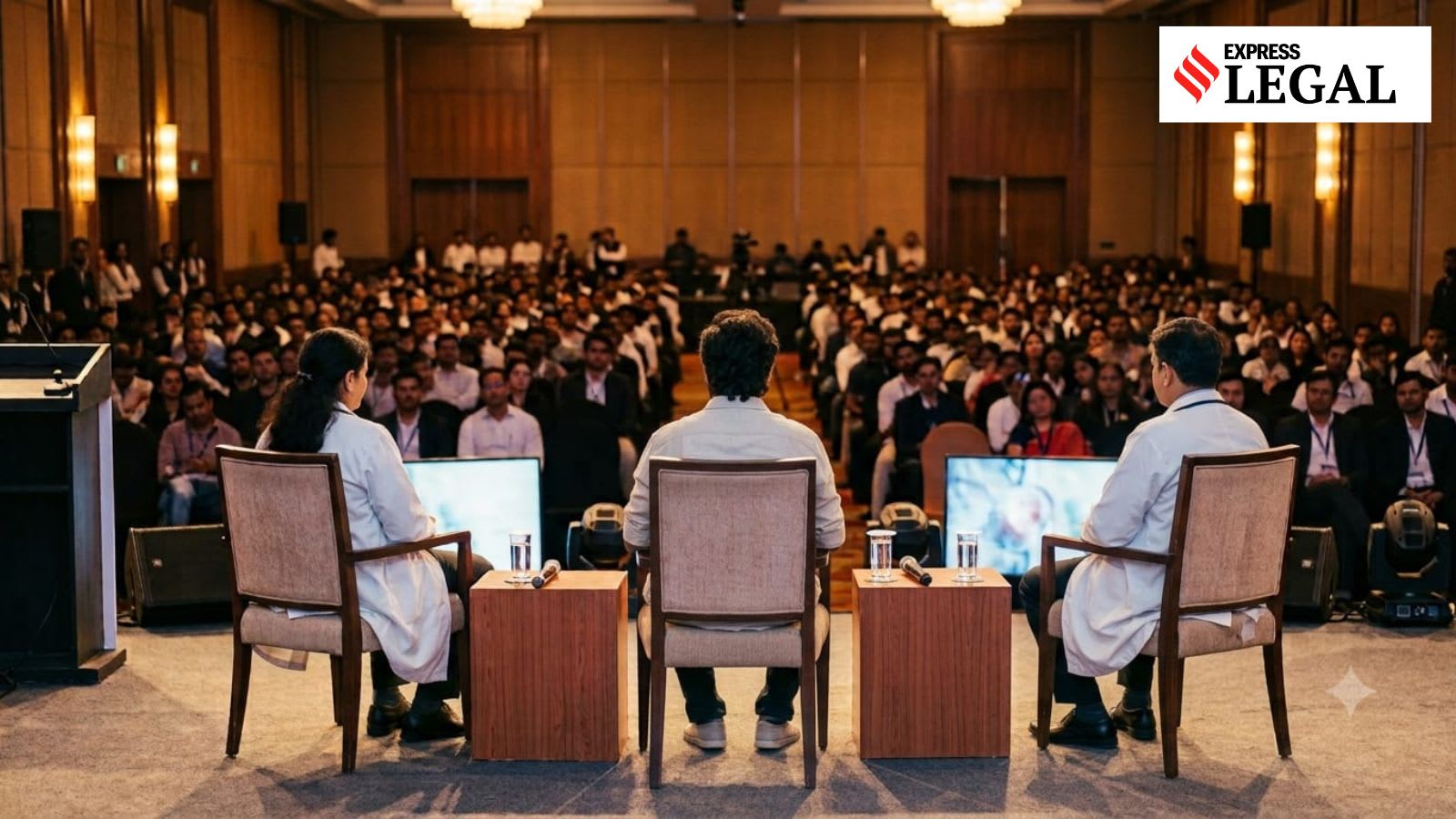
The Bombay High Court has quashed defamation cases against two doctors who discussed pesticide risks on Aamir Khan's show 'Satyamev Jayate'. The court ruled their comments were general public health observations, noting the lower court failed to properly apply its mind when issuing the summons.
Legal Victory for Public Health Discourse
The Bombay High Court recently delivered a significant ruling by quashing criminal defamation proceedings against two medical professionals, Dr. Rashmi Sanghi and Dr. Gopal Kabra. The case originated from a 2012 episode of the influential television program Satyamev Jayate, hosted by Aamir Khan, which focused on the critical issue of pesticide use in India. The court’s intervention marks a pivotal moment in protecting the rights of experts to engage in public discourse regarding health and environmental safety.
Contextualizing the Defamation Dispute
The legal battle began when complaints were filed against the doctors under Section 500 of the Indian Penal Code, alleging that their comments on the show constituted defamation. However, the High Court’s examination of the facts revealed that the remarks were not directed at any specific entity or company. Instead, the court categorized the statements as generic observations rooted in research and legitimate public health concerns, effectively insulating the professionals from claims of targeted malice.
The Role of Judicial Oversight
Justice Milind N. Jadhav, who presided over the applications for quashing, provided a sharp critique of the lower court’s initial decision to issue a process against the doctors. The High Court explicitly stated that the trial court’s order demonstrated a “complete non-application of mind.” This rebuke underscores the judiciary's responsibility to ensure that defamation laws are not weaponized to stifle expert opinions or silence academic debate on matters of public interest.
Implications for Media and Advocacy
This ruling carries profound implications for media platforms and subject-matter experts. Satyamev Jayate was widely lauded for bringing systemic issues—such as the excessive use of pesticides—to the forefront of national conversation. By affirming that expert commentary on such shows is protected when it remains broad and evidence-based, the Bombay High Court has provided a safeguard for future advocacy efforts. It reinforces the principle that public interest, when articulated through informed discourse, should not be curtailed by the threat of litigation.
Future Trends in Expert Protection
Looking ahead, this judgment serves as a deterrent against the use of 'strategic lawsuits against public participation' (SLAPP) in India. As public health challenges continue to intersect with corporate interests, the need for clear legal boundaries becomes increasingly vital. This case establishes a precedent that courts will prioritize the protection of intellectual and professional freedom, provided that the discourse remains grounded in objective, non-targeted observation rather than defamatory intent.
Conclusion
The quashing of these cases is a victory for both the medical community and the freedom of expression. By correcting the procedural errors of the lower court and validating the nature of the doctors' comments, the Bombay High Court has upheld the necessity of open, scientific discussion in the public sphere. This decision reaffirms that those who contribute their expertise to address societal challenges are protected under the law when their contributions serve the greater public good.