Why Trump may have to target China to make its Iran 'economic D-Day' work
Source Entity
SMRITI JAIN
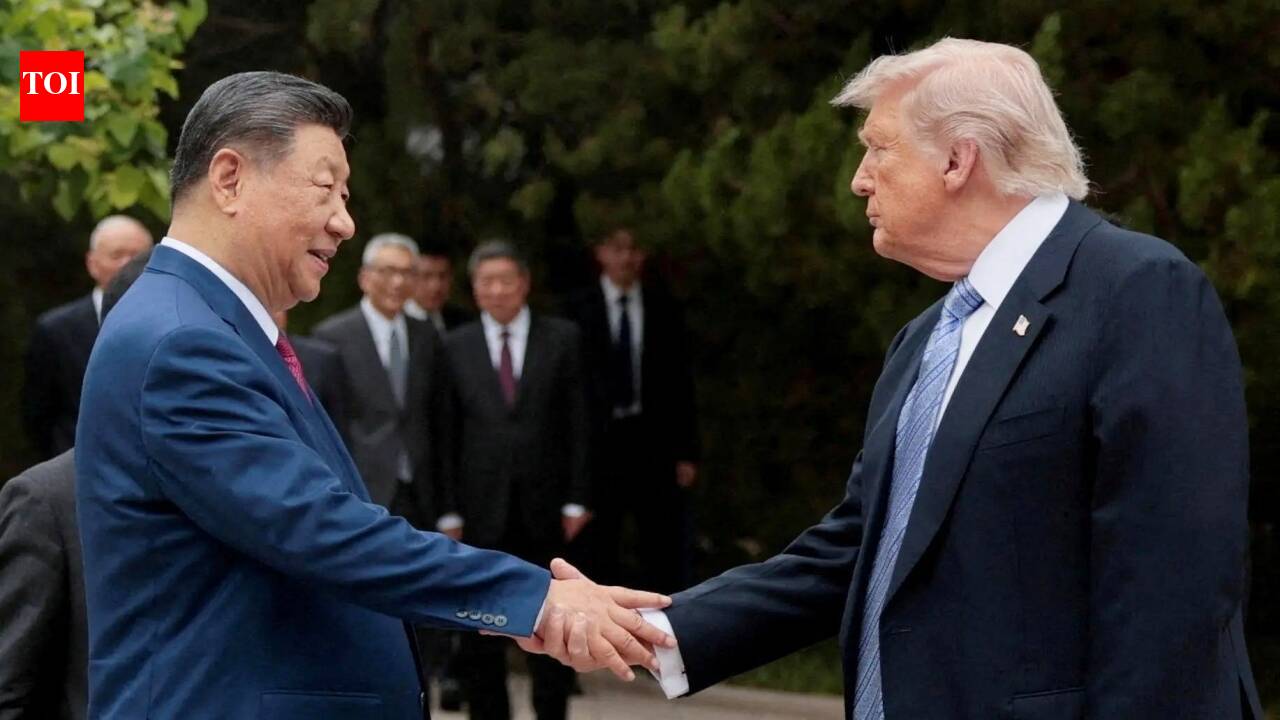
The Trump administration's threat of an 'economic D-Day' against Iran relies heavily on its willingness to impose secondary sanctions on China, Iran's primary oil buyer. This strategy risks a major economic confrontation with Beijing, given that China currently purchases approximately 90% of Iran's crude exports.
The Geopolitical Gamble: Trump's 'Economic D-Day' and the China Factor
The Strategic Dilemma
The incoming Trump administration’s stated objective of imposing an 'economic D-Day' on Iran represents a significant escalation in U.S. foreign policy. By threatening secondary sanctions against any nation that facilitates Iran's economic survival, the administration is effectively placing the global financial system on notice. However, the efficacy of this strategy is inextricably linked to one critical variable: China. As Iran's largest trading partner and the destination for roughly 90% of its crude oil exports, China serves as the primary lifeline for the Iranian economy, rendering any sanctions regime that excludes Beijing largely symbolic.
The Role of Secondary Sanctions
Secondary sanctions are a potent tool in the U.S. economic arsenal, designed to force third-party countries to choose between access to the U.S. financial system and trade with a sanctioned entity. Recently, Scott Bessent has signaled the administration's intent to operationalize this by unveiling dozens of new sanctions targeting specific entities, individuals, and vessels. These measures are intended to constrict the flow of capital and resources to Tehran, but their success depends entirely on the U.S. government's resolve to apply these same penalties to Chinese firms that continue to purchase Iranian oil.
Risks of Economic Confrontation
The central concern for policymakers is the potential for a catastrophic fallout with Beijing. Blacklisting major Chinese companies would not merely disrupt the oil trade; it could trigger a broader, retaliatory economic confrontation between Washington and Beijing. Given the interconnected nature of the global economy, such a move could lead to significant market volatility, supply chain disruptions, and a potential tit-for-tat trade war that would extend far beyond the energy sector.
Historical Context and Precedent
Historical precedents suggest that the U.S. has navigated this terrain before, often finding that the political cost of sanctioning a global superpower like China often outweighs the tactical benefits of isolating a regional power like Iran. The challenge for the Trump administration is to determine if the goal of crippling Iran’s economy is worth the destabilization of the U.S.-China relationship, which is already strained by existing tensions over technology, trade, and regional security.
Future Implications and Trends
If the administration proceeds with targeting Chinese entities, the world may witness a fundamental shift in how global trade is conducted. Countries caught in the middle may seek to develop alternative payment mechanisms to circumvent the dollar-dominated financial system, potentially accelerating the trend toward de-dollarization. Ultimately, whether this 'economic D-Day' succeeds or falters will be determined by the administration's willingness to absorb the consequences of a direct economic clash with China, a move that would redefine the current global order.
Multiple Citing Sources