Rude Food by Vir Sanghvi: Indian chefs are finally adding marrow to the menu
Source Entity
Latest News: Todays Latest News Headlines from India & World | Hindustan Times | Hindustan Times
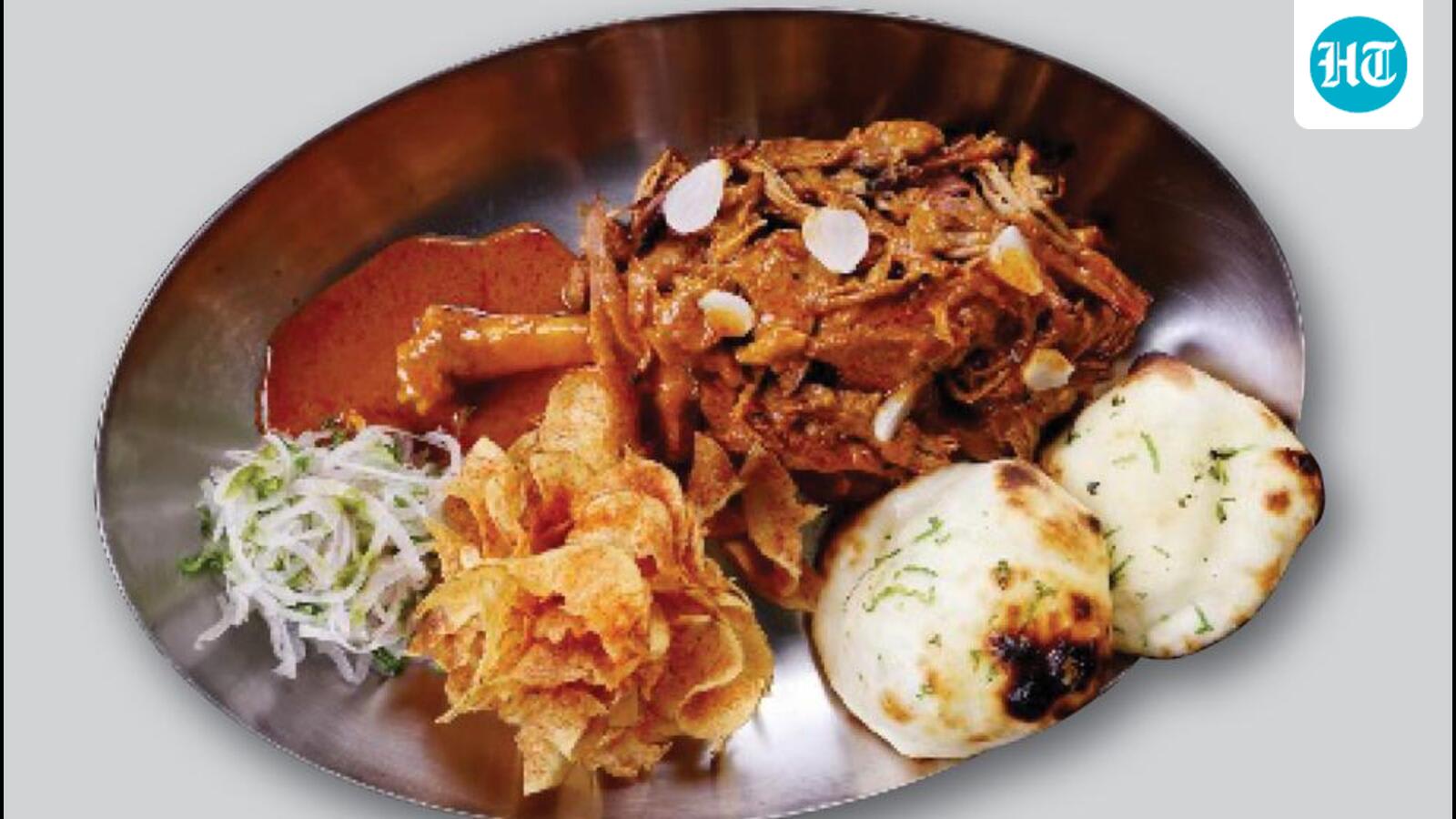
Bone marrow is gaining significant traction in Indian fine dining, evolving from traditional goat-based consumption to sophisticated beef-marrow preparations. This shift reflects India's increasing integration into global culinary trends.
The Evolution of Bone Marrow in Indian Fine Dining
A Global Trend Reaches Local Kitchens
The culinary landscape in India is undergoing a subtle yet profound shift as international gastronomic trends increasingly permeate domestic menus. For years, the concept of bone marrow—a staple in Western fine dining—remained a niche curiosity. However, contemporary Indian chefs are now embracing this ingredient, moving beyond traditional preparation methods to incorporate it into sophisticated, multi-faceted dishes. This transition marks a broader trend where global influences are not just adopted but reimagined through an Indian culinary lens.
Moving Beyond Traditional Goat Marrow
Historically, the Indian palate's exposure to marrow was largely limited to the small quantities found in mutton bones, often used as a secondary element in curries or soups. As noted by food critic Vir Sanghvi, this traditional consumption lacked the indulgence associated with the large, jelly-like chunks of beef marrow popularized in Western establishments. The shift toward these larger, more delicate portions signifies a move toward treating marrow not as a byproduct of meat processing, but as a primary, luxurious ingredient worthy of its own spotlight.
Culinary Innovation and Global Influence
Influential figures in global gastronomy, such as chef Eric Ripert at New York’s Le Bernardin, have set the benchmark by pairing bone marrow with ingredients like sea urchin, showcasing its versatility and ethereal taste profile. Indian chefs are now experimenting with similar high-end techniques, offering marrow in various forms—spiced, encrusted, or integrated into rich gravies. This experimentation highlights a departure from the 'offal-pungency' often associated with organ meats, as chefs focus on the light, buttery texture that defines high-quality marrow.
The Cultural and Economic Implications
The rise of bone marrow on Indian menus is symptomatic of a more cosmopolitan dining culture. As Indian diners become more well-traveled and exposed to international food media, the demand for 'global' ingredients increases. This creates a feedback loop where local chefs feel empowered to introduce adventurous, ingredient-focused dishes that challenge traditional comfort-food boundaries. It is a testament to the maturation of the Indian restaurant industry, which is now capable of executing complex, ingredient-led dishes that mirror the standards of culinary capitals like London or New York.
Future Trends in Indian Gastronomy
Looking ahead, we can expect the presentation of bone marrow to become even more minimalist and refined. As the ingredient gains mainstream acceptance, the 'crust' and 'gravy' iterations will likely give way to more direct preparations, allowing the marrow to stand alone. This trajectory suggests that the Indian culinary scene will continue to bridge the gap between regional tradition and global sophistication, ensuring that even the most niche international ingredients find a permanent home on the Indian plate.
Verification Required?