'Bid To Politically Exploit Situation': Brazil Denies Visas To Trump's Officials Ahead Of Polls
Source Entity
NDTV News Search Records Found 1000
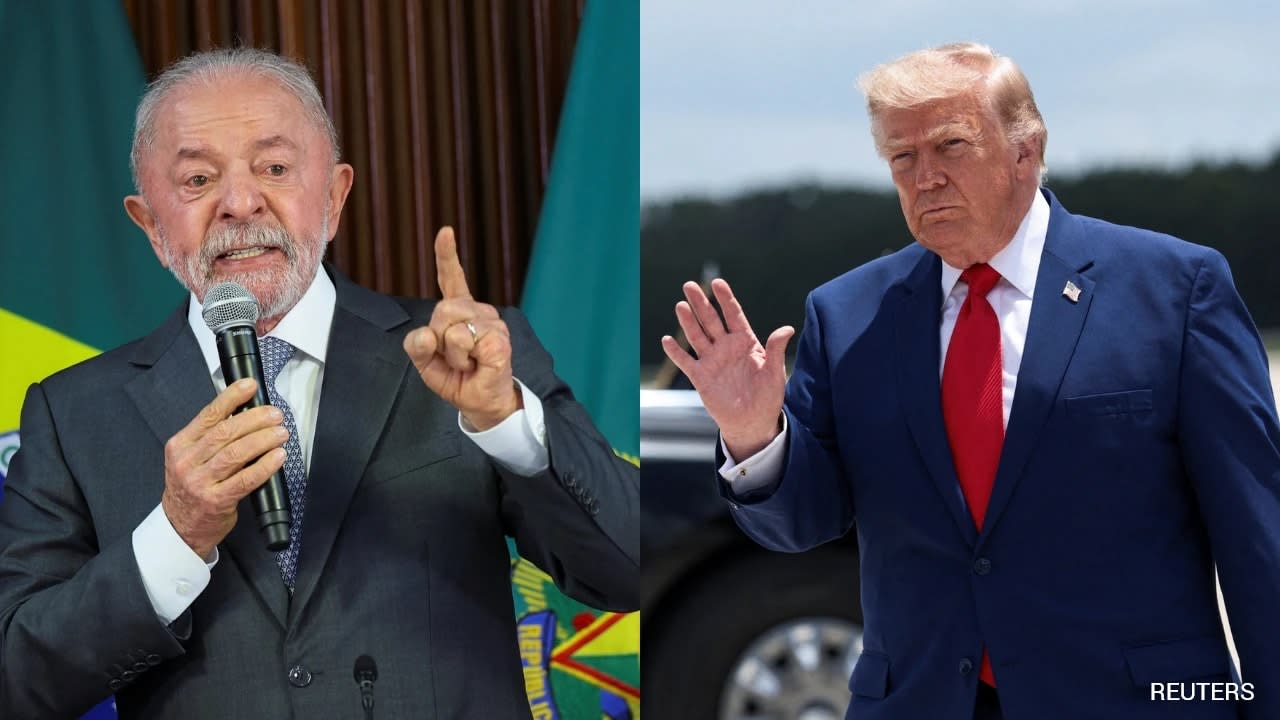
Brazil has denied visas to U.S. officials linked to the Trump administration, citing concerns over foreign interference in domestic elections. The move highlights escalating diplomatic tensions regarding allegations of political exploitation in Latin American electoral processes.
Diplomatic Friction: Brazil Rejects Trump-Era Officials
The recent decision by Brazilian authorities to deny visas to officials associated with the Trump administration marks a significant escalation in diplomatic tensions between the two nations. By framing the move as a direct response to a 'bid to politically exploit' the current situation, the Brazilian government has signaled a firm stance against what it perceives as external interference in its sovereign electoral processes. This development underscores a growing trend of Latin American nations asserting autonomy against perceived pressures from Washington.
The Context of Political Influence
Reports indicate that the Trump administration had been actively attempting to influence various political contests across Latin America throughout its tenure. These efforts, often characterized by strategic diplomatic maneuvering and targeted outreach, were designed to align regional governments with specific ideological objectives. Brazil’s refusal to grant entry to these officials suggests that this strategy has met with significant domestic resistance, as local leaders seek to insulate their democratic institutions from foreign political engineering.
Sovereignty and Election Integrity
At the core of this standoff is the fundamental principle of electoral integrity. When foreign powers attempt to shape the outcome of regional elections, it often triggers a nationalistic backlash rooted in the protection of democratic sovereignty. Brazil’s defensive posture reflects a broader regional anxiety: the fear that internal political contests are being treated as secondary theaters for global geopolitical competition rather than local mandates for governance.
Historical Tensions in Hemispheric Relations
This incident is not an isolated event but rather a continuation of the complex, often fraught history of U.S.-Latin American relations. Historically, the United States has frequently intervened in the political affairs of its southern neighbors, leading to lingering distrust. The current administration in Brazil appears to be leveraging this historical skepticism to justify its exclusionary visa policy, effectively drawing a line in the sand against what it characterizes as neo-interventionist tactics.
Future Implications for U.S.-Brazil Ties
Looking ahead, this visa dispute could have long-term consequences for bilateral cooperation. If Brazil continues to view U.S. diplomatic engagement as a vehicle for political exploitation, formal channels for policy dialogue may become increasingly strained. This could impact collaborative efforts in trade, environmental policy, and regional security, as both nations grapple with a fundamental disagreement over the boundaries of diplomatic influence versus political interference.
Conclusion
The refusal of visas to Trump-era officials serves as a potent political signal. By prioritizing the sanctity of its electoral process over traditional diplomatic norms, Brazil is asserting its independence on the global stage. Whether this leads to a cooling of relations or a recalibration of how international actors engage with Latin American elections remains to be seen, but it is clear that the era of unchallenged political influence is facing substantial pushback.
Verification Required?