British Museum announces changes to ease Bayeux Tapestry queues
Source Entity
BBC News
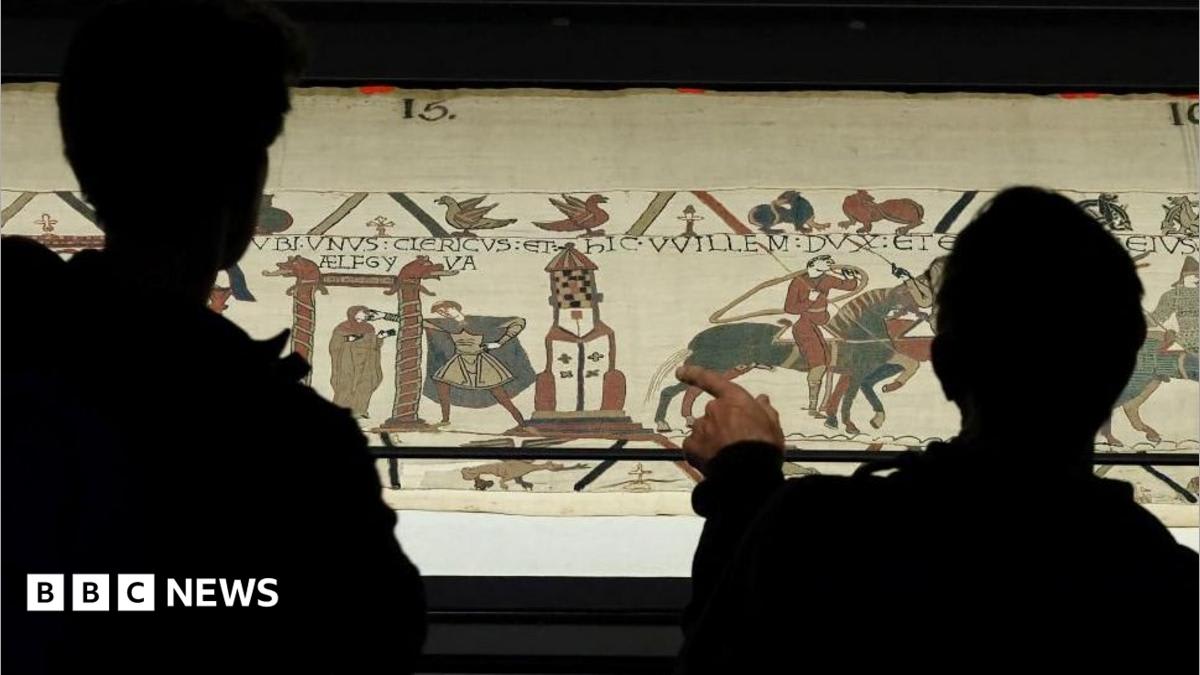
The British Museum is implementing new measures to manage high demand for the Bayeux Tapestry exhibition. Changes include extended hours, new audio guides, and improved infrastructure to address overcrowding and long wait times.
Addressing the Bayeux Tapestry Logistical Challenges
The British Museum has recently taken proactive steps to mitigate the logistical difficulties surrounding its exhibition of the 11th-century Bayeux Tapestry. Following reports of significant overcrowding and wait times extending up to two hours, the institution is introducing a suite of operational changes. These adjustments aim to balance the immense public interest in this historical artifact with the necessity of maintaining a positive visitor experience.
Operational Enhancements and Visitor Experience
To alleviate the pressure on gallery spaces, the museum is extending its daily opening hours. This strategic move is intended to spread out the volume of attendees throughout the day, rather than concentrating them in peak hours. Beyond time management, the museum is introducing new audio guides and additional seating, which are critical for an exhibition where the sheer detail of the embroidery invites long periods of observation. Improved signage will also assist in managing the flow of crowds, reducing the bottlenecking that has plagued the exhibit since its opening.
Responding to Public Feedback
The impetus for these changes stems from a wave of public frustration, particularly after a private event led to the early closure of the museum last week. This disruption resulted in hundreds of ticket holders being turned away, sparking a backlash on social media. One visitor described their planned trip as a "big event," highlighting the emotional and logistical investment the public makes when visiting high-profile cultural displays. The museum’s acknowledgment of these issues serves as a vital step in restoring confidence among patrons who felt their time and expectations were not adequately respected.
The Historical Significance of the Tapestry
The Bayeux Tapestry is an extraordinary piece of 11th-century craftsmanship, depicting the events leading up to the Norman Conquest of England in 1066. Because of its immense historical importance and the delicate nature of the embroidery, it remains a central attraction for international tourists and history enthusiasts alike. The "extraordinary" public response mentioned by the museum spokesperson underscores the artifact's status as a cornerstone of European heritage, which paradoxically creates the very demand that necessitates these new crowd control measures.
Future Implications for Cultural Institutions
This situation highlights a growing trend for major cultural institutions: managing the "blockbuster" effect. As museums increasingly rely on high-profile exhibitions to drive foot traffic, they must also invest in robust infrastructure to handle the resulting volume. The British Museum’s response serves as a case study in crisis management and visitor relations. By prioritizing accessibility and comfort, the museum is attempting to protect the long-term viability of its exhibition program while ensuring that the sanctity of the historical experience is not lost to chaotic logistics.
Conclusion
Ultimately, the British Museum’s decision to adapt its operations demonstrates a commitment to balancing historical preservation with modern public accessibility. By addressing the specific pain points—wait times, closure disruptions, and visitor comfort—the institution is setting a precedent for how to handle high-demand exhibitions. While the initial challenges caused significant frustration, these corrective measures should stabilize the exhibition, ensuring that visitors can engage with the tapestry in a more orderly and enriching environment.