When broadcasting was committed to public good
Source Entity
Latest News: Todays Latest News Headlines from India & World | Hindustan Times | Hindustan Times
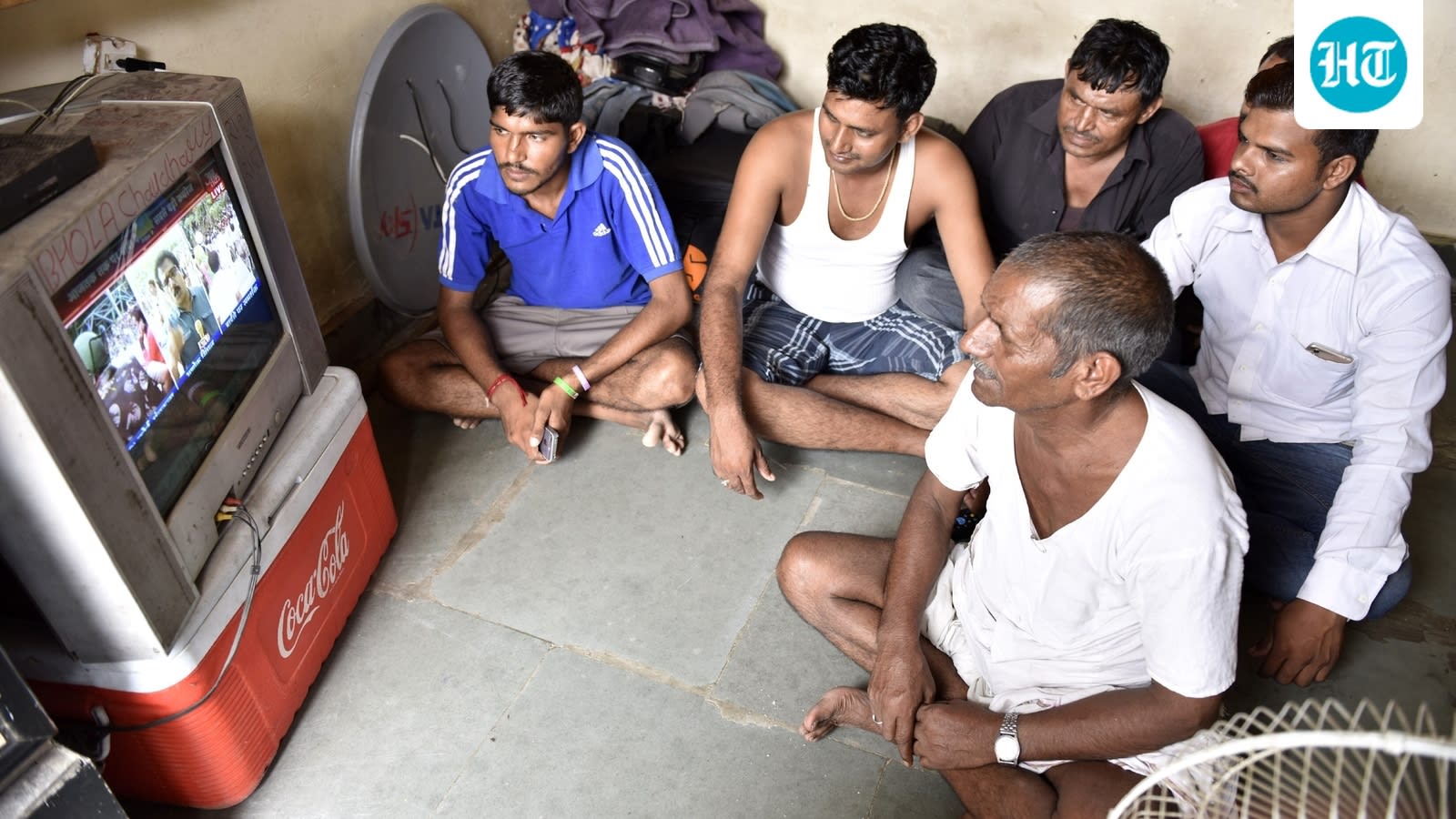
The transformation of Bandrabhan village into 'Kalyani Gram' illustrates how public-service broadcasting can foster community trust and collective action. By leveraging media for social good, the initiative proved that financial sustainability often follows deep public engagement.
The Power of Public-Service Broadcasting: The Case of Bandrabhan
Broadcasting for Social Transformation
The story of Bandrabhan, a village in Madhya Pradesh’s Hoshangabad district, serves as a profound case study on the efficacy of public-service broadcasting. Years ago, the village was plagued by malaria, creating a cycle of health crises that stifled community development. The turning point arrived through Kalyani, a weekly health program aired on Doordarshan. This program did not merely broadcast information; it acted as a catalyst for local mobilization, proving that media remains a potent tool for public health advocacy when it resonates with the realities of its audience.
The Birth of 'Kalyani Gram'
The impact of the program was so significant that the villagers adopted the name 'Kalyani Gram' for their settlement, painting it prominently on the village water tank. It is crucial to note that this was not a top-down mandate or a government-sponsored branding exercise. Instead, it was an organic expression of gratitude and shared identity. By self-identifying with the program that helped them combat malaria, the residents demonstrated that true community engagement transcends passive viewership, evolving into active participation.
Trust as the Foundation of Sustainability
In an era dominated by digital algorithms and hyper-personalized content, the Bandrabhan experience highlights that technology is merely a vehicle for distribution. The core of any successful communication strategy remains trust, dialogue, and a sense of shared ownership. When media outlets prioritize public value, they build a reservoir of social capital. This trust is what differentiates sustainable public-interest media from transient content cycles.
Challenging the Dichotomy of Value and Finance
Often, there is a perceived conflict between public service mandates and financial sustainability. The Bandrabhan narrative challenges this binary, suggesting that financial viability can naturally follow when institutions prioritize the needs of their audience. By providing tangible solutions to local problems, the Kalyani series created a loyal and engaged public base, demonstrating that public value is an investment rather than a cost.
Looking Toward the Future
As we look at the future of mass media, the lessons from Bandrabhan remain highly relevant. For media institutions to remain relevant in a fragmented digital landscape, they must move beyond mere message multiplication. They must foster environments where audiences feel seen, heard, and empowered. The success of Kalyani proves that when broadcasting is committed to the public good, it does not just report on change—it creates the conditions for it to flourish.
Verification Required?