Hundreds in Morocco gather near Ceuta border in anxious wait for missing loved ones
Source Entity
Soraya Aybar Laafou in Fnideq and Ashifa Kassam in Madrid
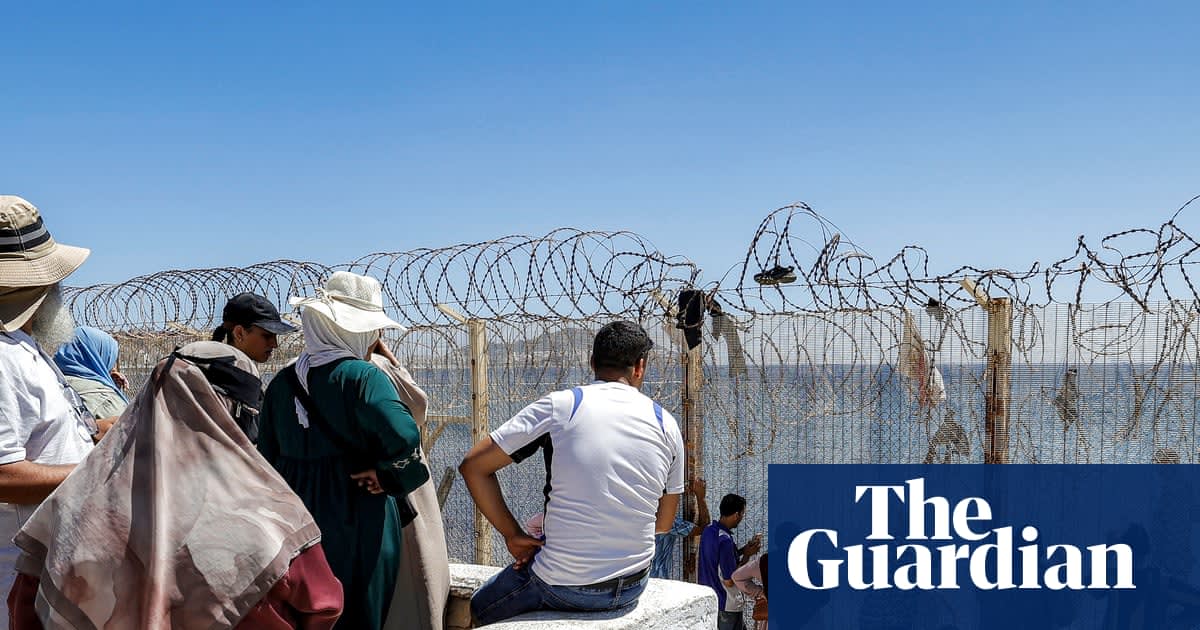
A humanitarian crisis has unfolded at the Morocco-Ceuta border following a mass migration event that resulted in at least 99 confirmed deaths. Families are currently gathering in Fnideq to search for missing loved ones amidst heightened regional tensions and EU diplomatic scrutiny.
The Humanitarian Crisis at the Ceuta Border
In the northern Moroccan town of Fnideq, a somber scene has unfolded as hundreds of families gather near the border of the Spanish enclave of Ceuta. Armed with photographs of missing relatives, these individuals are engaged in a desperate search for answers following a chaotic mass migration event that saw an estimated 72,000 people enter the territory. This localized tragedy has transformed a quiet border zone into a site of profound grief, highlighting the human cost of irregular migration routes.
A Deadly Crossing
The scale of the disaster is staggering, with local officials reporting at least 88 fatalities on the Spanish side and 11 deaths within Morocco. While the majority of the 72,000 individuals who crossed into the enclave returned home within 24 hours, the aftermath has left dozens missing. These figures underscore the extreme dangers inherent in such crossings, which often involve perilous terrain and desperate conditions that can quickly turn fatal.
Political and Diplomatic Fallout
The events in Ceuta have not remained isolated to the border itself; they have triggered an urgent response from European Union officials. During an emergency videoconference, EU interior ministers met to address the situation, primarily to reassure the public that the integrity of the passport-free Schengen zone remained intact. Despite these assurances, the incident has reignited debates regarding European border security and the geopolitical dynamics between Morocco and Spain.
Misinformation and Media Narratives
Expert analysis suggests that the situation has been exacerbated by a blend of misinformation and hardened immigration policies. While some media outlets have framed the influx as a direct territorial threat to Europe, leading to increased calls for border militarization, the reality involves a complex interplay of social, economic, and political factors. The narrative surrounding Ceuta has become a focal point for broader discussions on the European approach to migration management.
Historical Context and Future Trends
This incident mirrors trends observed since the 2015 migration crisis, where border flashpoints have frequently become symbols of the EU's struggle to balance humanitarian obligations with security mandates. As international focus remains fixed on the Ceuta border, the future trends suggest that the EU will likely continue to prioritize the fortification of its external boundaries. However, the ongoing search for the missing by families in Fnideq serves as a stark reminder that policy decisions have immediate, irreversible consequences for individuals caught in the crossfire of regional migration disputes.
Conclusion
Ultimately, the crisis at the Ceuta border is a multifaceted issue that transcends simple security concerns. It is a humanitarian tragedy that has left families fractured and communities in mourning. As the EU and Moroccan authorities move forward, the challenge will be to address the underlying causes of these migration surges while acknowledging the human lives lost in the process. The search for the missing in Fnideq remains a poignant testament to the urgency of finding sustainable and humane solutions to border management.