Tigers to be introduced in Buxa Tiger Reserve in West Bengal on October 2
Source Entity
India Latest News: Top National Headlines Today & Breaking News | The Hindu
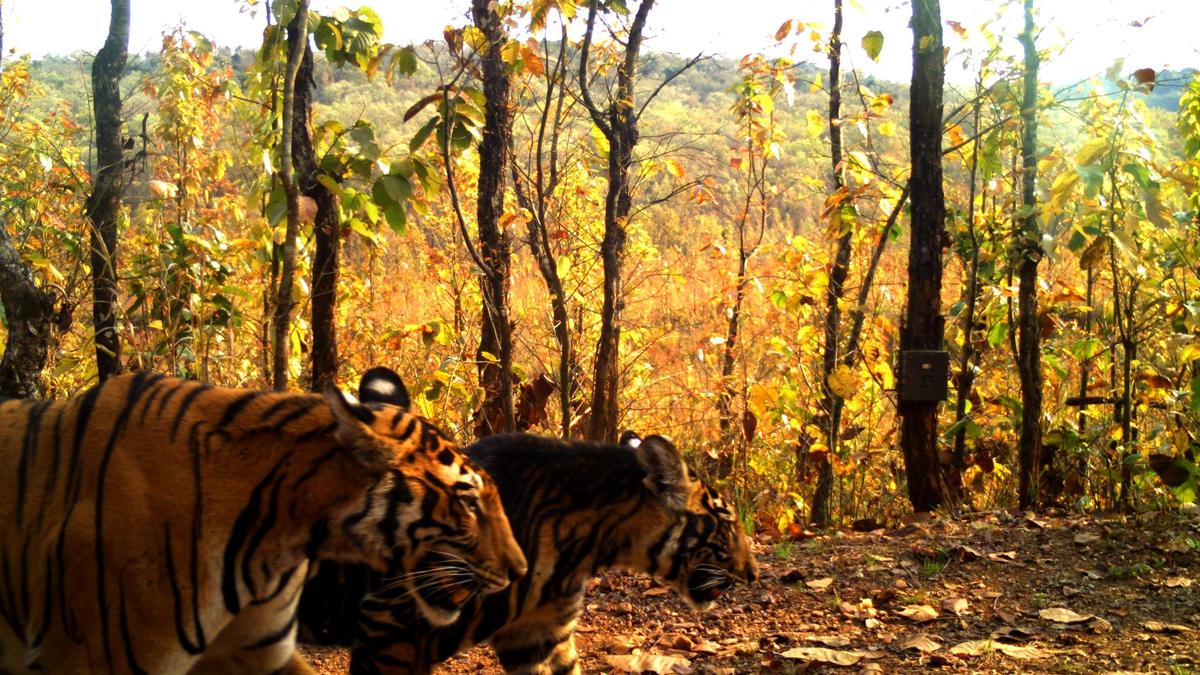
West Bengal plans to introduce a tigress into the Buxa Tiger Reserve on October 2, 2025. Officials are considering sourcing the tigers from Assam or Bihar rather than the Sundarbans to ensure better ecological compatibility.
The Reintroduction of Tigers to Buxa: A Strategic Conservation Effort
On July 24, 2025, West Bengal Environment and Forest Minister Manoj Oraon announced a significant milestone for wildlife conservation in North Bengal: the planned introduction of a tigress into the Buxa Tiger Reserve on October 2. This initiative marks a pivotal moment for the reserve, which has long been a focal point for biodiversity efforts in the Dooars region near the Bhutan border. By setting a concrete timeline, the state government is signaling a renewed commitment to restoring apex predators to an ecosystem that has historically struggled to maintain a stable tiger population.
Geographical and Ecological Context
Established as India's 15th tiger reserve in 1983, Buxa covers a substantial 760.87 square kilometers. Its unique location in the Himalayan foothills provides a diverse habitat, as evidenced by its rich biological inventory, which includes 68 species of mammals, 246 species of birds, and over 100 species of fish. The reserve’s topography, stretching 50 km from west to east, offers a vast corridor that is essential for large carnivore movement. However, the success of this reintroduction depends heavily on the suitability of the environment to support a thriving tiger population.
The Debate Over Sourcing
A critical aspect of this operation is the decision-making process regarding the origin of the tigers. While the Sundarbans are home to a significant population of tigers, senior officials within the West Bengal Forest Department have expressed reservations about translocating them to Buxa. The concern lies in the ecological disparity; the Sundarbans are a mangrove ecosystem, whereas Buxa is characterized by a different terrain. Officials are now prioritizing sources from similar landscapes in Assam and Bihar to ensure the animals can adapt more seamlessly to their new home.
Broader Implications for Conservation
This move is not merely about increasing tiger numbers; it is about restoring the ecological balance of the Dooars region. Apex predators like tigers play an essential role in regulating prey populations, which in turn maintains the health of the entire forest structure. If the October 2 introduction proves successful, it could serve as a model for similar reintroduction programs across India, demonstrating that habitat management and careful source selection are paramount to the success of conservation translocations.
Future Trends and Challenges
Moving forward, the success of the Buxa project will likely depend on continuous monitoring and the mitigation of human-wildlife conflict. As the reserve shares a border with Bhutan, cross-border cooperation may also become an increasingly important factor in managing the movement of wildlife. The state government’s cautious approach—selecting animals from analogous climates—suggests a data-driven strategy that prioritizes the long-term survival of the species over short-term numerical gains.
Conclusion
The introduction of a tigress to Buxa on October 2 represents a hopeful chapter for North Bengal's wildlife. By carefully weighing the ecological requirements of the tigers and opting for habitats that mirror the Buxa landscape, the West Bengal Forest Department is demonstrating a sophisticated approach to biodiversity management. The eyes of the conservation community will undoubtedly remain on Buxa as it works to reclaim its status as a vital sanctuary for India’s national animal.
Verification Required?