Cable lobby to sue Trump FCC over repeal of national TV ownership cap
Source Entity
Jon Brodkin
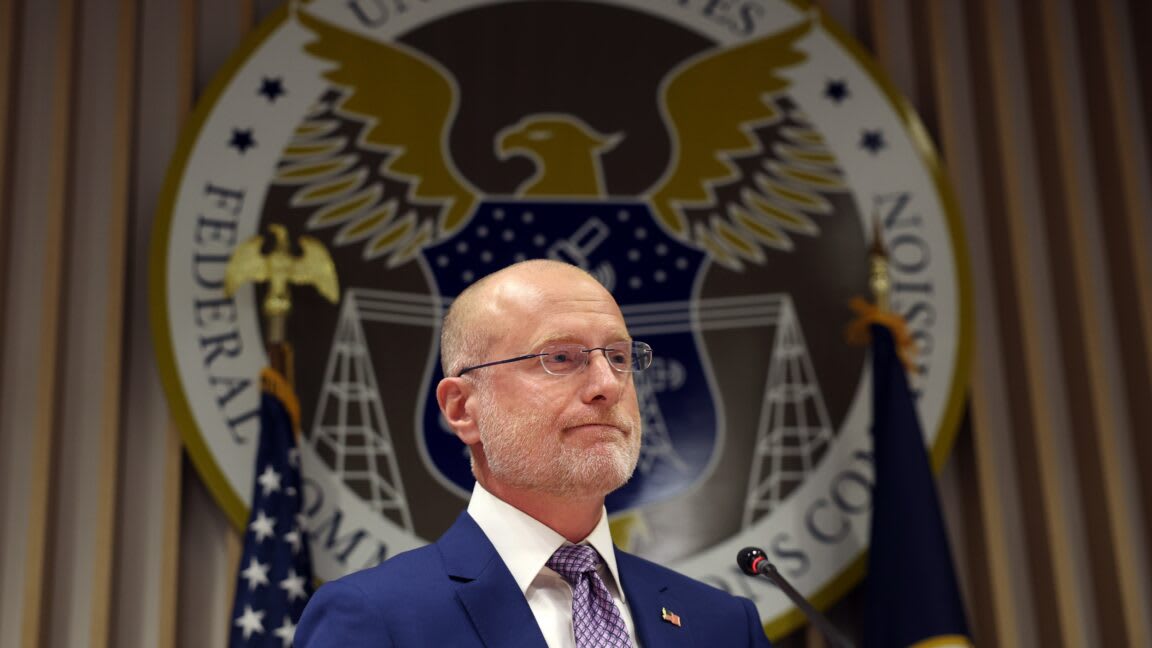
Major cable companies are suing the FCC to block the repeal of national TV ownership caps, fearing it will drive up consumer costs. The industry argues that media consolidation grants broadcasters excessive leverage in retransmission fee negotiations.
The Battle Over Media Consolidation
The Federal Communications Commission (FCC) faces a significant legal challenge as leading cable lobby groups prepare to sue the agency over its decision to repeal the National Television Ownership Rule. This regulation, which historically limited the number of broadcast TV stations a single entity could own, serves as a cornerstone of media diversification policy in the United States. By removing this cap, the FCC has effectively cleared a path for massive media conglomerates to consolidate control over local broadcast markets, sparking immediate pushback from cable providers.
Economic Implications for Consumers
At the heart of the cable industry's grievance is the mechanism of retransmission fees. These are the costs that cable and satellite providers pay to broadcast networks for the right to carry their local signals. Cable lobbyists, representing giants like Comcast and Charter, argue that the repeal will empower large broadcast groups to exercise undue market leverage. As these groups grow in size, they can demand significantly higher fees during contract negotiations, costs that providers are ultimately forced to pass down to consumers in the form of higher monthly cable bills.
Legal Arguments Against the FCC
The legal strategy centers on the claim that the FCC lacks the statutory authority to unilaterally repeal a limit specifically established by Congress. The cable lobby contends that the FCC’s order is 'arbitrary and capricious,' asserting that the agency failed to adequately account for the market distortions and consumer harms that will inevitably arise from unchecked consolidation. By ignoring the potential for anti-competitive behavior, the plaintiffs argue the FCC has violated the administrative standards required for such a significant policy shift.
The Shift in Market Power
The controversy highlights a broader trend of vertical and horizontal integration within the telecommunications and media sectors. While cable companies like Charter have themselves engaged in significant expansion through mergers, they argue that the broadcast industry's consolidation poses a unique threat to the existing ecosystem. The tension reflects a zero-sum game where control over content distribution and ownership directly dictates the pricing power of media entities in a fragmented digital landscape.
Future Outlook and Regulatory Precedent
This litigation sets the stage for a landmark court battle that will likely define the limits of the FCC's regulatory power under the current administration. If the courts side with the cable industry, it could force a rollback of media ownership rules, potentially stalling the growth of large broadcast conglomerates. Conversely, a victory for the FCC would solidify a deregulatory environment, likely triggering a wave of further mergers and acquisitions across the broadcast television sector. As the case proceeds, the outcome will have profound implications for the cost of television services and the diversity of voices in American media.