Finance system resilient, economy braved West Asia crisis: RBI governor
Source Entity
TNN
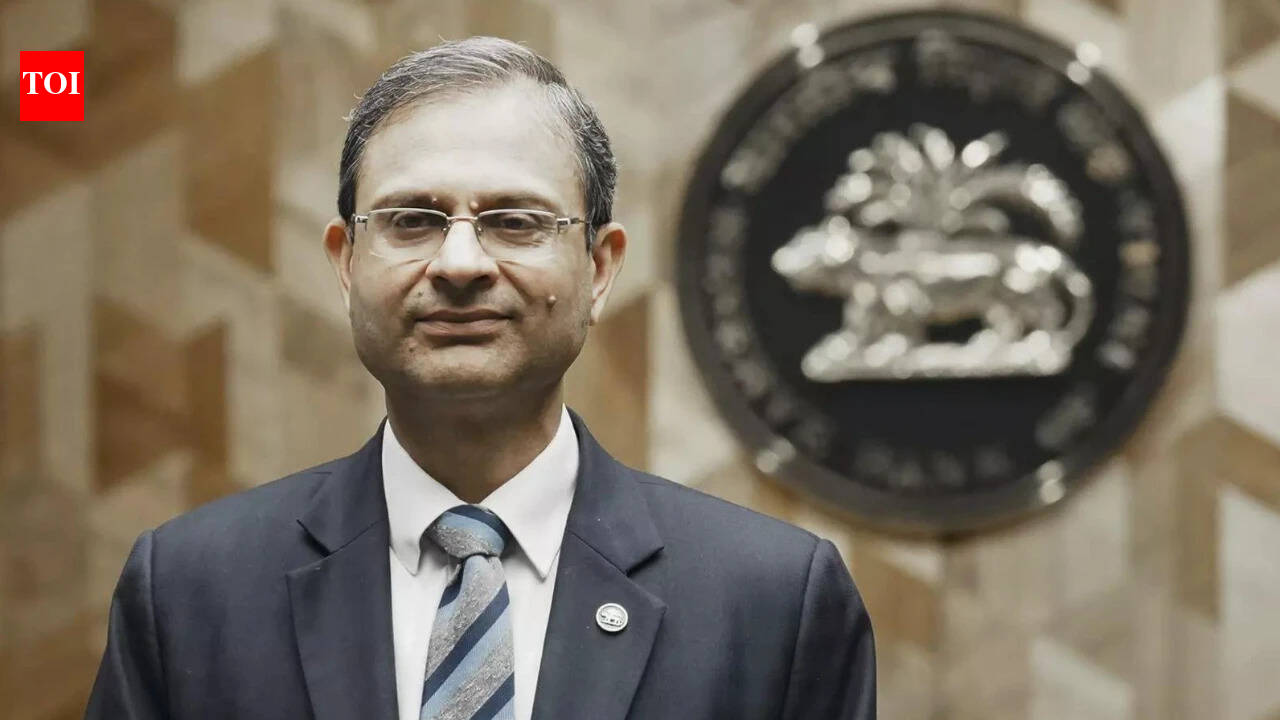
RBI Governor Malhotra emphasizes the resilience of the Indian economy amidst global West Asia tensions. However, he warns that vigilance is required to mitigate risks from AI-driven market valuations, high global debt, and potential cyber threats.
Assessing Financial Stability in a Volatile Global Climate
The Reserve Bank of India (RBI) Governor recently provided a critical assessment of the national economy, highlighting its remarkable resilience in the face of ongoing geopolitical instability in West Asia. Despite the potential for supply chain disruptions and market volatility typically associated with such regional crises, the Indian financial system has maintained a steady footing. This stability reflects a concerted effort by monetary authorities to insulate domestic markets from external shocks, ensuring that the broader economic trajectory remains largely on course.
The Dangers of Complacency and Market Valuations
While the current outlook is positive, Governor Malhotra’s warning that the nation "can't afford to be complacent" serves as a vital reminder of the fragility inherent in globalized finance. A significant portion of this concern is directed toward stressed valuations in specific sectors, most notably those tied to Artificial Intelligence (AI). As capital flows aggressively into AI-related ventures, the risk of asset bubbles increases, potentially leading to sharp corrections that could ripple through broader investment portfolios and negatively impact retail and institutional investors alike.
Debt, Leverage, and Systemic Risk
Beyond market bubbles, the report highlights the dangers posed by elevated debt levels on a global scale. Excessive leverage remains a persistent threat; should global financial conditions tighten abruptly—whether through sudden shifts in central bank interest rate policies or liquidity crunches—highly leveraged entities could face solvency issues. Such a scenario creates a direct transmission channel into the banking sector, potentially straining capital adequacy ratios and limiting the availability of credit for the real economy.
The Shadow of Private Credit
The governor also pointed to the rise of private credit as an area necessitating closer scrutiny. As traditional banking systems face tighter regulatory oversight, private credit markets have expanded rapidly, often operating with less transparency and different risk profiles. This shift complicates the ability of regulators to map systemic risks accurately. Because private credit often bridges the gap between conventional loans and venture capital, any deterioration in this space could create hidden liabilities that only become apparent during a market downturn.
Cyber Risks and the AI Paradox
Perhaps the most modern challenge addressed is the intersection of cyber risks and technological advancement. While AI drives productivity, it has simultaneously provided sophisticated tools for malicious actors to execute cyberattacks. The compounding effect of AI on cybersecurity threats means that financial institutions must continuously upgrade their defensive infrastructure. This is no longer just a technical concern but a core financial stability issue that requires proactive management to prevent disruptions to payment systems and data integrity.
Conclusion: A Path of Vigilant Growth
In summary, while the Indian economy has successfully braved the immediate pressures of the West Asia crisis, the road ahead demands extreme caution. The interplay between high debt, inflated valuations, and evolving cyber threats suggests that the next phase of economic management will be defined by risk mitigation. By maintaining institutional alertness, the RBI aims to navigate these multifaceted headwinds, ensuring that the domestic financial system remains a bedrock of stability in a world of increasing complexity.