California court upholds order to remove 19 trees after $78,500 settlement
Source Entity
TOI WORLD DESK
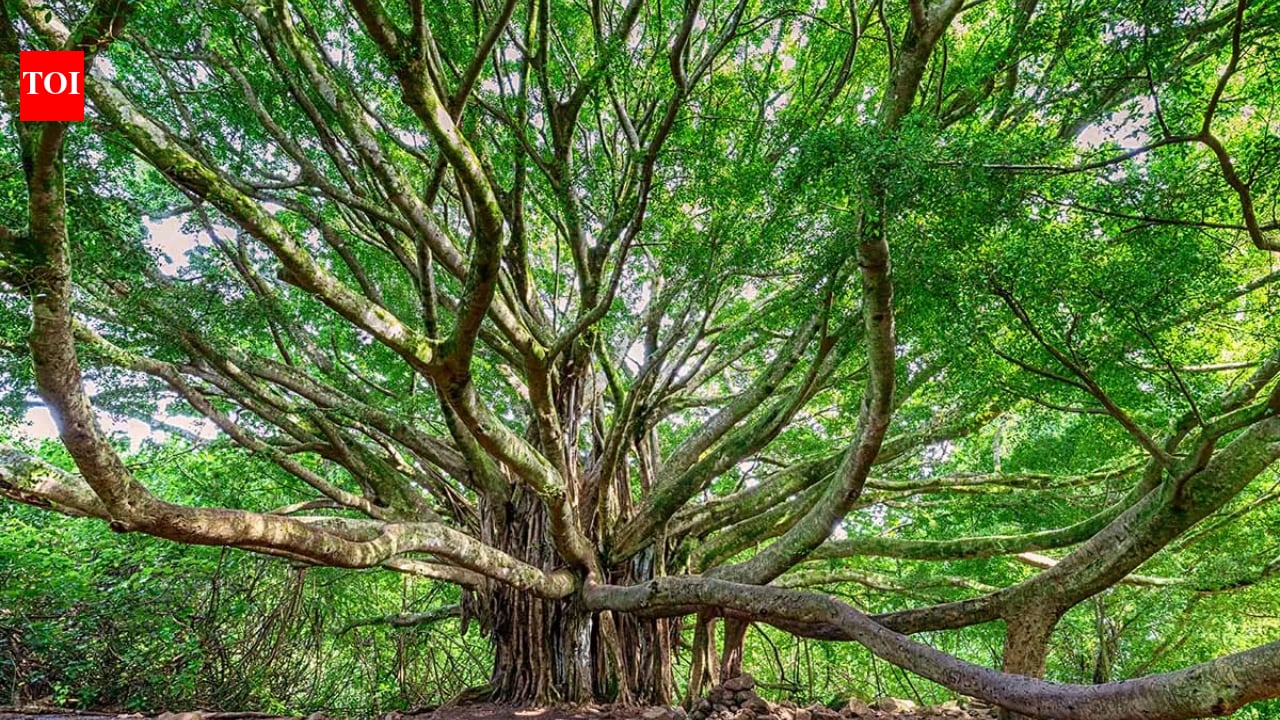
A California appellate court has mandated the removal of 19 ficus trees following a protracted legal dispute over invasive root damage. Despite an initial financial settlement, the court ruled that total removal was necessary to address the ongoing nuisance caused by the trees.
Legal Precedent and the California Tree Dispute
The recent decision by the Fourth District Court of Appeal in California marks a significant conclusion to a multi-year property conflict. The case centers on a boundary hedge consisting of 38 ficus trees, which have become a source of contention due to their aggressive root systems. While initially intended to serve as a privacy screen, the biological nature of the ficus species has led to structural concerns for the neighboring property owner, escalating into a formal legal battle that highlights the complexities of residential property law.
The Failure of Financial Settlements
Initially, the parties involved attempted to resolve the issue through an out-of-court financial settlement, totaling $78,500. This compromise was intended to mitigate the damages caused by the encroaching roots without requiring the removal of the vegetation. However, the recurring nature of the root intrusion demonstrated that financial compensation alone was insufficient to address the underlying nuisance. The court’s decision to mandate the removal of the 19 remaining trees underscores the legal principle that permanent abatement is often required when property damage is continuous and non-remediable through monetary means.
Botanical Nuisance and Property Rights
Ficus trees are widely known in Southern California for their rapid growth and expansive, invasive root systems, which are frequently cited in nuisance lawsuits. This case illustrates the delicate balance between a property owner's right to landscaping and the responsibility to prevent harm to adjacent parcels. The court’s intervention serves as a cautionary tale for homeowners regarding the long-term maintenance liabilities associated with planting fast-growing species near property boundaries.
The Role of Appellate Oversight
The Fourth District Court’s decision to uphold the lower court’s order reinforces the judicial stance that property owners have an affirmative duty to ensure their landscaping does not infringe upon the integrity of neighboring structures. By affirming the order for total removal, the appellate court has prioritized the prevention of future damage over the aesthetic or privacy interests of the tree owner, setting a clear standard for similar boundary disputes in the region.
Broader Implications for Homeowners
This ruling carries broader implications for real estate and urban planning. As property lines in dense Southern California neighborhoods continue to be points of friction, the courts are increasingly likely to favor structural preservation over the preservation of invasive flora. Homeowners should view this as a precedent that shifts the burden of proof onto the party maintaining the vegetation to ensure it does not cross established property thresholds.
Future Trends in Property Law
Looking forward, this case may influence how residential disputes are mediated. We can expect an increase in litigation involving 'nuisance vegetation,' where the focus is not merely on damages but on permanent removal. As climate patterns shift and soil conditions change, the management of large trees near foundations will remain a critical legal and financial concern for homeowners, likely leading to more stringent local ordinances and stricter adherence to boundary management protocols.