Jordan strikes Syria after church attack, claims 20-plus Islamic State terrorists killed
Source Entity
ARYAN SINGH
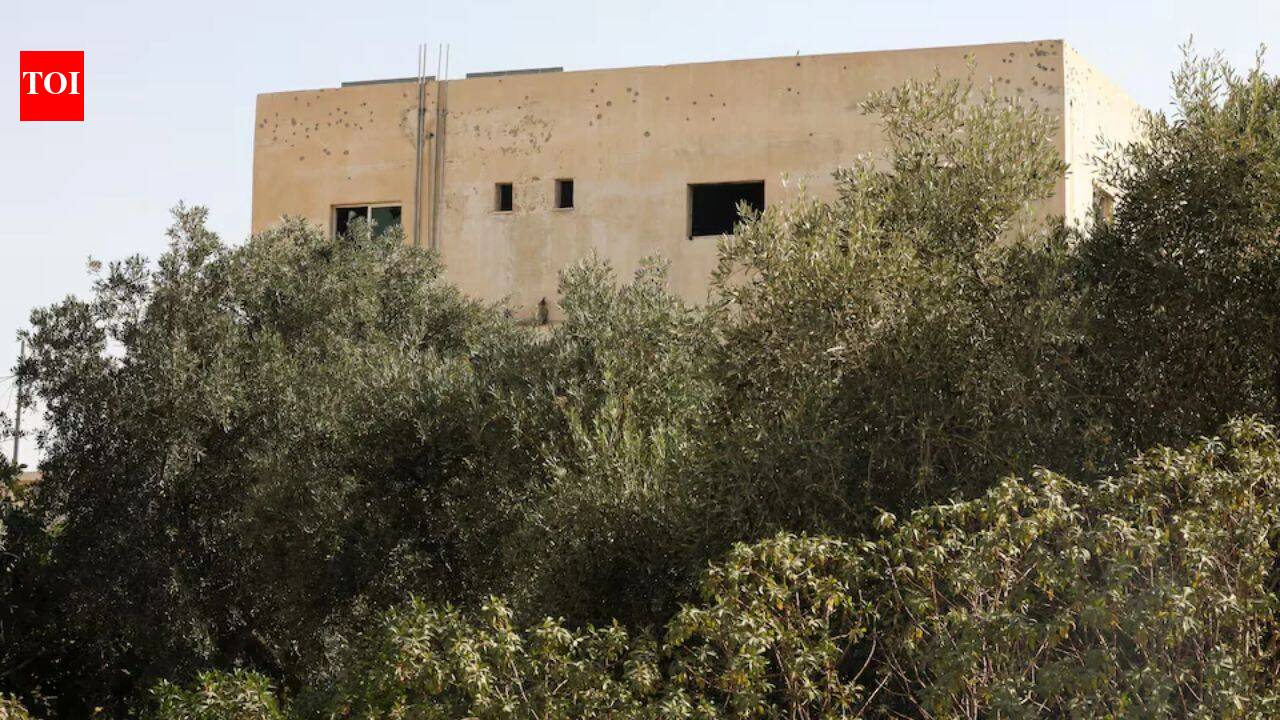
Jordan launched retaliatory airstrikes in southern Syria following a deadly attack on a Greek Orthodox church in Karak that killed nine people. While Jordan claims to have neutralized over 20 militants, Syrian officials report seven civilian deaths, including children, amidst conflicting accounts of military coordination.
The Karak Tragedy and Its Geopolitical Aftermath
The recent retaliatory airstrikes conducted by the Jordanian Air Force in southern Syria mark a significant escalation in the regional struggle against Islamic State remnants. The catalyst for this military response was a devastating assault on a Greek Orthodox funeral in Karak, Jordan, which claimed nine lives and left dozens injured. This act of violence, targeting a place of worship and a grieving community, forced the Jordanian government to adopt a robust posture to maintain internal security and project regional strength against extremist threats operating across its borders.
The Precision of Retaliation vs. Civilian Cost
Jordan’s military operations were framed as a surgical strike against 'terrorist organizations' believed to be responsible for the Karak massacre. According to Jordanian military reports, these strikes successfully neutralized over 20 militants, signaling a clear intent to dismantle the infrastructure supporting cross-border attacks. However, the operational reality on the ground in Syria tells a more harrowing story. Syrian civil defense and health officials have reported seven civilian fatalities, including three children and several elderly individuals, across the provinces of Daraa and Sweida, raising critical questions about the precision of these tactical engagements.
Conflicting Narratives on Coordination
The ambiguity surrounding the level of coordination between Amman and Damascus adds a layer of complexity to the incident. While Jordan maintains that it coordinated its actions with the Syrian government, Syrian authorities have publicly denied receiving any notification prior to the strikes. This discrepancy highlights the fragile state of regional communication and the difficulty of conducting counter-terrorism operations in a fractured landscape where national sovereignty is often superseded by the urgency of security threats.
Historical Context of Jordan's Stance
Jordan has historically positioned itself as a bulwark of stability in the Middle East, particularly regarding its efforts to curb the influence of extremist groups like the Islamic State. The Karak church attack represents a direct challenge to this stability. By launching these strikes, Jordan is attempting to prevent the spillover of Syrian instability into its own territory. This move demonstrates a shift in strategy, moving from passive border defense to proactive, offensive operations aimed at preempting future incursions.
Broader Implications and Future Trends
The tension between the need for national security and the protection of civilian life remains the central dilemma of this conflict. As the Syrian civil war continues to leave power vacuums in border provinces like Daraa and Sweida, it is likely that Jordan will continue to prioritize its security interests, potentially leading to further friction with local Syrian authorities. Moving forward, the international community will be watching closely to see if Jordan can refine its intelligence-gathering capabilities to ensure that future operations better distinguish between active combatants and non-combatant populations.
Conclusion
In conclusion, the situation remains fluid and deeply concerning. The tragic loss of life at the Karak funeral has ignited a chain of events that now threatens to further destabilize the border regions of southern Syria. While Jordan’s objective to eliminate extremist threats is clear, the resulting civilian casualties underscore the grave risks associated with unilateral military actions in an already volatile theater of war.