Hindu School Teacher, Mediating Land Dispute, Beaten To Death In Bangladesh
Source Entity
NDTV News Search Records Found 1000
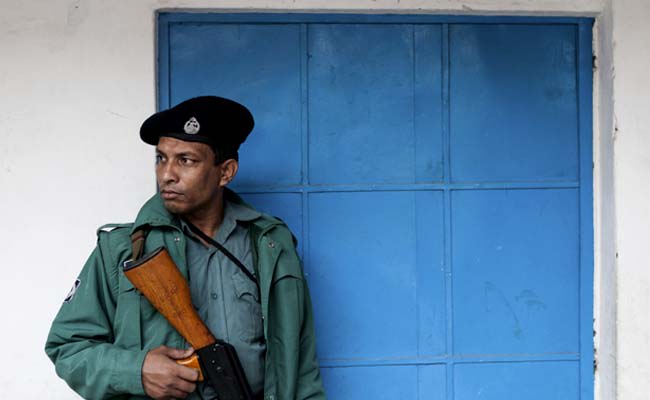
A 55-year-old Hindu teacher, Manoranjan Roy, was beaten to death in Bangladesh's Dinajpur district while attempting to mediate a land dispute. The incident has drawn condemnation from minority rights groups who are demanding swift justice and increased protection.
Tragic Killing of Educator Highlights Fragile Social Cohesion in Bangladesh
In a deeply distressing incident in the Dinajpur district of Bangladesh, Manoranjan Roy, a 55-year-old Hindu school teacher, was beaten to death while attempting to mediate a land dispute. The incident, which occurred during a local arbitration meeting on Sunday, has sent shockwaves through the community, highlighting the escalating dangers associated with civil disputes in the region. According to police reports, Roy attempted to de-escalate tensions between the feuding parties, only to be targeted and assaulted, ultimately collapsing and dying at the scene.
The Role of Arbitration and Local Conflict
Land disputes are a historically persistent source of social friction in rural Bangladesh, often complicated by complex land records and inheritance laws. In many rural settings, respected figures like teachers are frequently called upon to act as mediators. However, as this tragedy demonstrates, the role of an arbitrator is increasingly fraught with risk. When civil disagreements escalate into physical violence, the lack of immediate security measures during such meetings leaves mediators vulnerable to spontaneous acts of aggression.
Impact on Minority Communities
The Bangladesh Hindu Sammilan Sangha has issued a strong condemnation of the killing, framing it as more than a simple criminal act. By characterizing the death of Manoranjan Roy as an attack on the "rule of law, humanity, and the spirit of a non-communal Bangladesh," the organization is emphasizing the systemic vulnerability of minority populations. This rhetoric suggests that such violence is viewed by the community as a targeted threat, rather than an isolated incident of local crime.
Institutional Response and Demands for Justice
The demand for the immediate arrest and "exemplary punishment" of those responsible underscores a lack of public confidence in the current security apparatus. The Sangha’s call for the protection of the bereaved family and the broader minority community reflects a desperate need for the state to enforce its legal authority. The incident forces a conversation about whether existing law enforcement mechanisms are sufficient to protect those who step forward to maintain peace in local disputes.
Broader Socio-Political Implications
This incident serves as a stark reminder of the challenges Bangladesh faces in maintaining its identity as a non-communal state. When a teacher—a pillar of the community—is killed for performing a civil service, it undermines the social fabric that allows diverse groups to coexist. Future stability in rural districts will likely depend on how effectively the government addresses this specific case; a failure to prosecute those involved could embolden further acts of violence against minority voices in the future.
Conclusion: A Call for Accountability
The death of Manoranjan Roy is a profound tragedy that transcends the borders of the Dinajpur district. It highlights the urgent need for a more robust framework for conflict resolution and a more proactive approach to protecting those who mediate local disputes. As the community mourns and demands justice, the focus remains on the government’s ability to uphold the rule of law and ensure that such acts do not become normalized in the local political and social landscape.
Verification Required?