California governor commutes death sentences of 548 death row inmates
Source Entity
SUBHADRA SRIVASTAVA
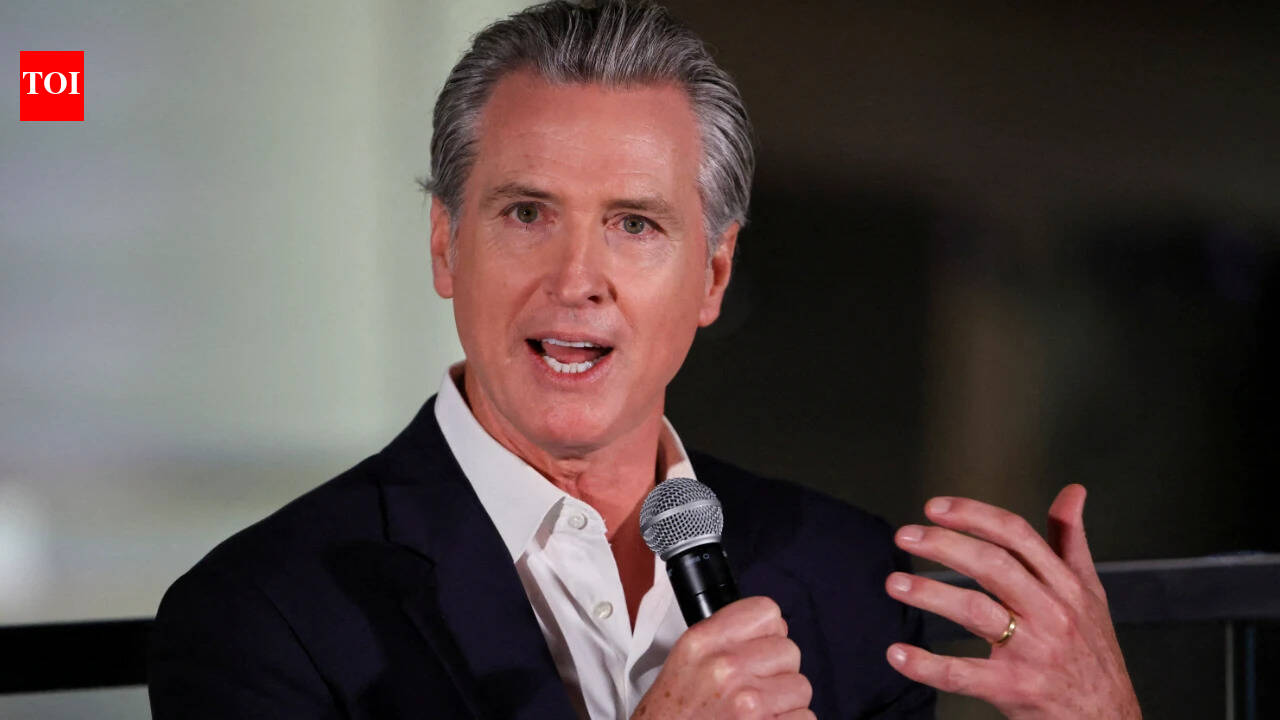
California Governor Gavin Newsom has commuted the death sentences of all 548 inmates on the state's death row to life imprisonment without parole. This significant policy shift reflects his long-standing opposition to capital punishment as he nears the end of his gubernatorial term.
A Landmark Shift in California’s Penal Policy
California Governor Gavin Newsom has initiated a historic transformation of the state's criminal justice system by moving to commute the death sentences of all 548 inmates currently on death row. By transitioning these sentences to life imprisonment without the possibility of parole, Newsom has effectively dismantled the functional apparatus of capital punishment in the most populous state in the United States. This action marks the culmination of a long-standing ideological commitment from the Governor, who previously imposed a moratorium on executions in 2019.
The Moral and Legal Rationale
In his public correspondence, Governor Newsom framed the decision as a moral imperative, stating that state-sanctioned killing is fundamentally incompatible with California’s values. He argued that the practice undermines the integrity of the legal system and diminishes the ethical standing of the state. By shifting these inmates to life without parole, the administration aims to ensure that offenders serve out their lives in obscurity, while the state redirects its focus toward honoring the victims of these crimes.
Economic and Judicial Context
Beyond the moral arguments, the decision carries significant practical implications. California has historically maintained the largest death row population in the nation, yet it has not executed a prisoner since 2006. Despite voters reinstating the death penalty in 1978, only 13 inmates have been executed in the decades since. Experts suggest that this mass commutation could save the state millions of dollars annually in complex, protracted court costs associated with maintaining death row litigation.
The Role of the Judiciary
While the executive order is sweeping, it is not entirely absolute. The California Supreme Court retains the final authority over 382 of the 548 cases involved. This procedural check highlights the complex interplay between executive power and judicial oversight in California’s legal framework. The transition remains a complex administrative process that will require careful coordination between the Governor’s office and the state’s high court.
Political Implications and Future Outlook
As Governor Newsom prepares to conclude his eight-year tenure, this move serves as a defining legacy piece. With discussions circulating regarding a potential 2028 presidential bid, the decision underscores his position within the progressive wing of the Democratic Party. By taking decisive action on a polarizing issue, Newsom is solidifying his policy record on a national stage. Whether this move aids or complicates his future political aspirations remains to be seen, as the decision has already elicited a sharp divide of both criticism and support from constituents and legal observers alike.