CAQM planning to launch own air quality rankings for NCR and Punjab cities
Source Entity
Latest News: Todays Latest News Headlines from India & World | Hindustan Times | Hindustan Times
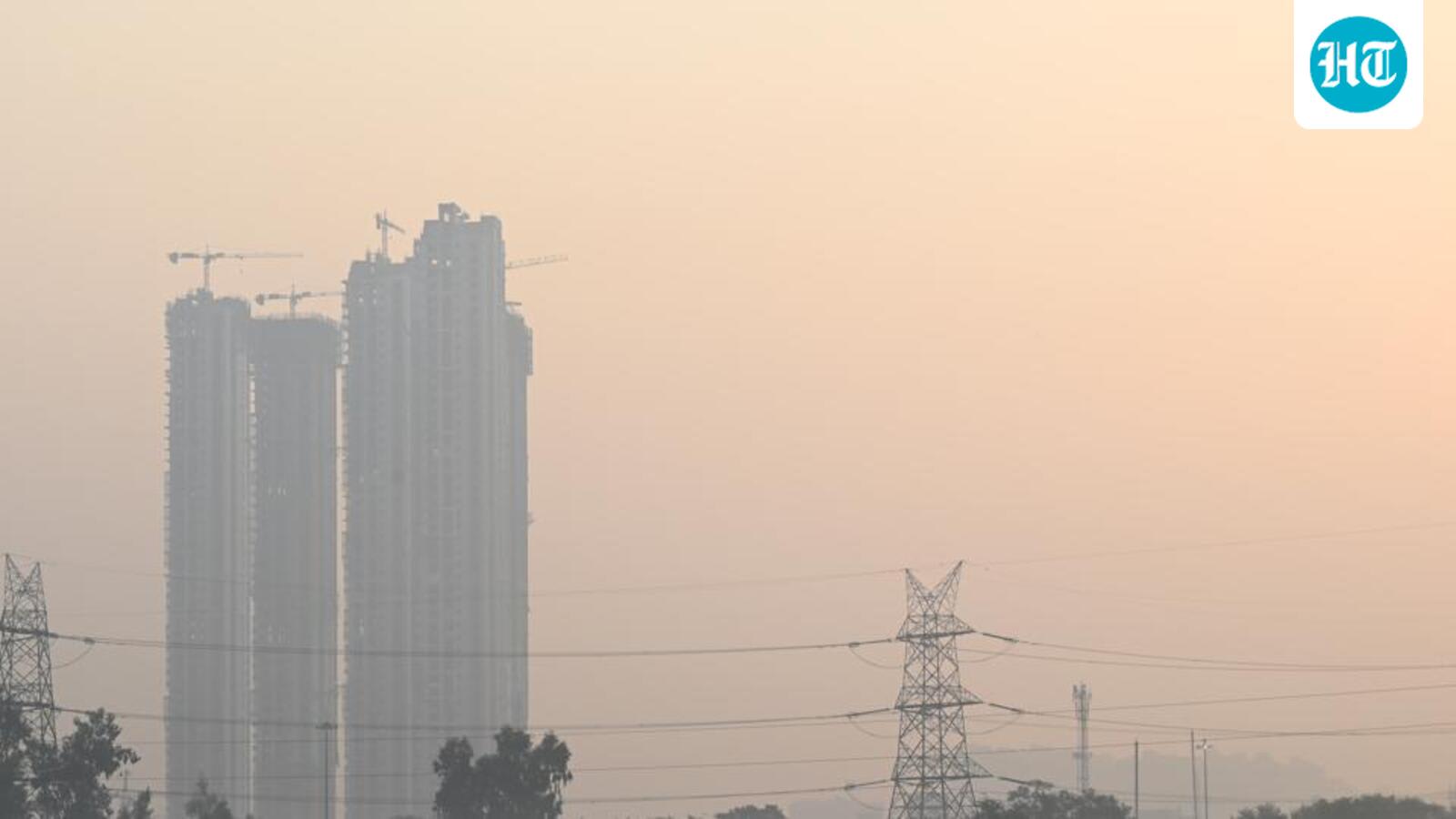
The Commission for Air Quality Management (CAQM) is developing a new air quality ranking index for NCR and Punjab cities. This initiative aims to incentivize pollution reduction by scoring cities based on their progress and adherence to local action plans.
Strengthening Accountability: The CAQM Air Quality Index Initiative
The Commission for Air Quality Management (CAQM) has announced plans to develop a dedicated air quality ranking system for cities within the National Capital Region (NCR) and Punjab. By moving beyond existing frameworks, the CAQM aims to create a localized, performance-based metric that evaluates how effectively cities are implementing their mandated pollution reduction strategies. This move signals a shift toward more granular oversight in regions that consistently struggle with severe air quality degradation, particularly during the winter months.
Building Upon Existing Frameworks
Currently, the Union Environment Ministry manages the 'Swachh Vayu Sarvekshan' rankings, which serve as a national benchmark for pollution mitigation efforts. The CAQM’s proposed index is designed to complement this existing structure rather than replace it. By focusing specifically on the unique atmospheric and industrial challenges of the NCR and Punjab, the commission intends to foster a competitive environment where municipal bodies are motivated to adhere strictly to their local action plans.
Methodology and Weighted Metrics
According to CAQM member secretary Tarun Pithode, the development of this index involves calculating a weighted average based on the tangible progress made in pollution control efforts. This methodology shifts the focus from static air quality readings—which can be heavily influenced by meteorological factors outside of a city's control—to the actual execution of policy interventions. By measuring the 'effort' behind the numbers, the CAQM can better identify which cities are proactively addressing sources of pollution like dust, vehicular emissions, and industrial waste.
The Strategic Importance of Local Action Plans
The core of this initiative lies in the enforcement of local action plans. For years, the NCR and Punjab have faced criticism regarding the implementation gap between policy formulation and on-ground results. By creating an index that explicitly awards cities for their adherence to these plans, the CAQM is effectively gamifying regulatory compliance. This approach is intended to provide municipal authorities with a clear roadmap for success and a public-facing metric that encourages accountability.
Future Implications for Regional Air Quality
If successfully implemented, this ranking system could serve as a powerful tool for policymakers to identify high-performing districts and emulate their successes elsewhere. By highlighting both laggards and leaders, the CAQM creates a feedback loop that encourages the allocation of resources toward the most effective mitigation strategies. As the region continues to battle chronic haze and seasonal pollution, such data-driven governance will be essential in moving the needle toward cleaner air for the millions of residents living in these high-risk zones.
Verification Required?