TV damaged ‘during shifting’, Delhi man wins Rs 50,000 payout from packers and movers
Source Entity
Vineet Upadhyay
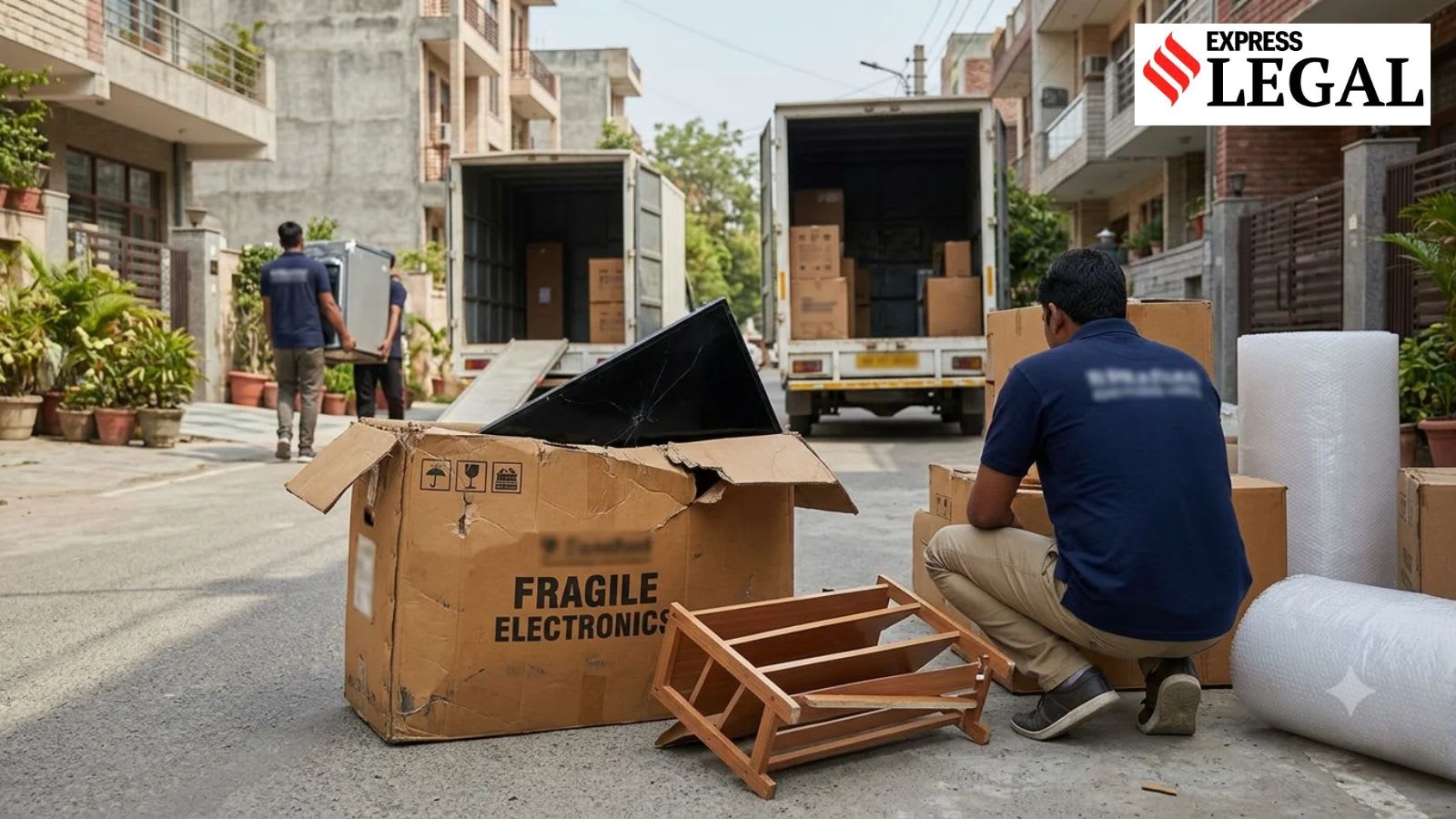
A Delhi consumer commission has ordered a packers and movers firm to pay Rs 50,000 for damaging a customer's TV and shoe rack during a household move. The commission ruled in favor of the consumer, citing sufficient documentary evidence to support the claim of negligence.
Consumer Justice Served: The Delhi Case
A recent ruling by the District Consumer Disputes Redressal Commission in South-West Delhi has brought much-needed attention to the accountability of the logistics and relocation sector in India. The commission ordered a packers and movers company to pay Rs 50,000 in compensation to a customer, Rajnish Kumar Ahuja, after his television and shoe rack were damaged during a transit process from Naraina Vihar to Gurgaon.
Accountability in the Logistics Sector
This case highlights the recurring issue of negligence within the unorganized and semi-organized packing and moving industry. Mr. Ahuja had paid a service fee of Rs 18,050, expecting professional handling of his household goods. Instead, the company allowed the television box to fall during the packing phase, and the shoe rack arrived in a damaged state. The commission's decision underscores that service providers cannot hide behind vague disclaimers when physical evidence of damage is documented.
The Role of Consumer Commissions
President Suresh Kumar Gupta and member Harshali Kaur presided over the complaint, emphasizing the importance of documentary evidence in consumer disputes. By stating, “We have no reason to disbelieve the complainant’s averments,” the commission validated the consumer's role in maintaining records and receipts. This serves as a vital reminder to the public that when services fail to meet the agreed-upon standards, formal legal channels are effective in securing restitution.
Legal Precedents and Consumer Rights
The ruling reinforces the principle that service providers bear the burden of safe transit. In the Indian context, where the relocation industry is vast and often lacks standardized regulation, such orders serve as a deterrent against professional negligence. The commission's reliance on the company’s own records alongside the consumer's documents creates a strong legal precedent for future cases involving property damage during transit.
Implications for Future Consumer Trends
As urbanization increases and household mobility becomes more common, the demand for reliable packers and movers is rising. This judgment is likely to empower consumers to demand higher accountability and better insurance coverage from moving companies. It also signals that consumer courts are becoming increasingly efficient at resolving disputes based on clear, evidence-based filings, providing a clear path for citizens to seek redress for damaged property.
Conclusion
The Delhi consumer commission's decision is a victory for consumer rights, highlighting that service providers are strictly liable for damages resulting from their negligence. By prioritizing factual evidence and clear communication, the commission has reinforced the legal safeguards available to households navigating the often-stressful process of relocation.