A dry spell along the Cauvery
Source Entity
India Latest News: Top National Headlines Today & Breaking News | The Hindu
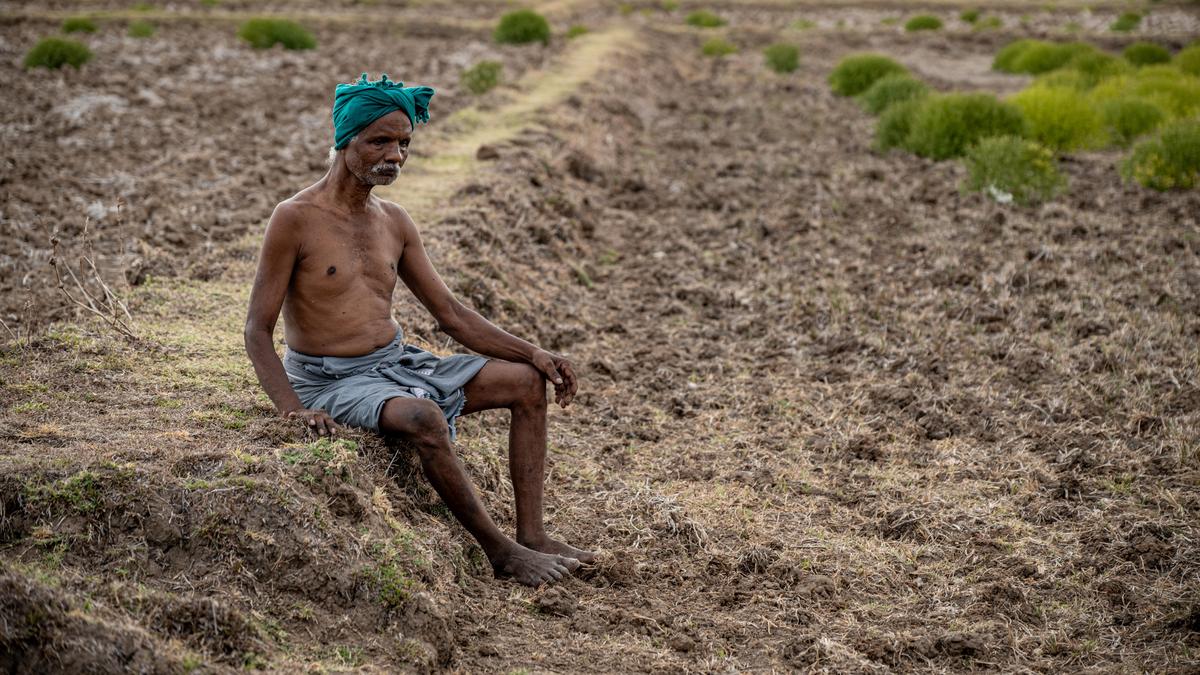
A weak monsoon has severely depleted the Cauvery basin, leading to acute water shortages for farmers in both Karnataka and Tamil Nadu. The resulting scarcity has intensified inter-state tensions over the release and distribution of reservoir water.
The Cauvery Crisis: A Basin in Distress
The current agricultural crisis unfolding along the banks of the Cauvery river highlights the precarious nature of water security in Southern India. A weak monsoon season has significantly reduced inflow into key reservoirs like the Krishna Raja Sagara (KRS), leaving the agricultural backbone of both Karnataka and Tamil Nadu in a state of extreme uncertainty. The situation is not merely a localized weather event but a systemic failure that threatens the livelihoods of thousands.
The Human Cost of Water Scarcity
At the micro-level, the struggle is exemplified by farmers like Marilingaiah from Kuntanahalli village. For these cultivators, water is the difference between a harvest and total financial ruin. Having already invested capital into paddy nurseries, these farmers face the reality of barren fields if the canal systems—specifically the Visvesvaraya irrigation network—remain dry. The loss of initial investment is a compounding factor that pushes small-scale farmers toward deeper cycles of debt.
Inter-State Tensions and Resource Competition
The Cauvery dispute has historically been a flashpoint for political and social friction between Karnataka and Tamil Nadu. The current drought conditions have sharpened these tensions, as both states face competing pressures. Karnataka is tasked with balancing its own irrigation needs with the legal and political mandates to release water downstream to Tamil Nadu. This zero-sum game creates a volatile environment where the survival of a crop in one state is perceived as a direct threat to the survival of the other.
Infrastructure and Efficiency Challenges
Beyond the immediate rainfall deficit, the crisis exposes vulnerabilities in the existing irrigation infrastructure. Farmers situated at the 'tail end' of canal systems, like those in Mandya district, are disproportionately affected when water levels drop. This highlights a critical need for more robust water management and equitable distribution policies that account for climate volatility and the inherent limitations of reliance on seasonal monsoons.
Broader Implications and Future Outlook
As climate change patterns become increasingly erratic, the reliance on traditional monsoon cycles poses a long-term threat to the Cauvery basin. The current predicament serves as a stark reminder that water governance must evolve beyond reactive measures. Future stability will depend on shifting agricultural practices toward less water-intensive crops and investing in better reservoir management strategies to mitigate the impact of weak monsoon years. Without structural changes, the tension between these two states is likely to recur with every failed rain season.
Verification Required?