Centre To Table Bill To Make "Insult" To 'Vande Mataram' Criminal Offence
Source Entity
NDTV News Search Records Found 1000
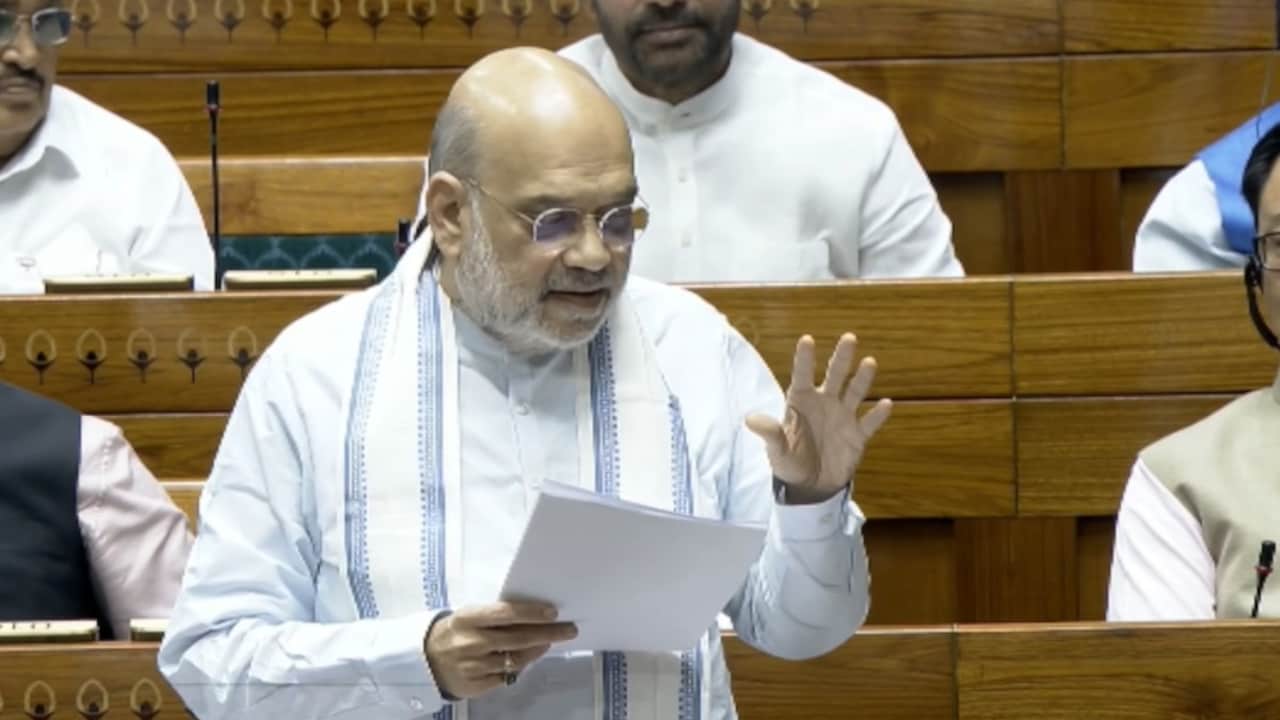
The Indian government is set to introduce a bill that criminalizes the insult of 'Vande Mataram'. The legislation aims to grant the national song the same legal protections currently provided to the national anthem.
Legislative Shift Toward National Symbol Protection
The Indian government has announced its intention to table a bill that would make the act of "insulting" the national song, 'Vande Mataram', a criminal offence. This move represents a significant legal shift in how the state handles the sanctity of its national symbols. By seeking to elevate the legal status of 'Vande Mataram', the Centre aims to ensure that the song is treated with the same reverence and legal guardianship as the national anthem, 'Jana Gana Mana'.
Establishing Legal Parity with the National Anthem
Currently, the national anthem is protected under the Prevention of Insults to National Honour Act, 1971, which penalizes the desecration or insult of the Indian National Flag, the Constitution, and the National Anthem. The proposed bill intends to bridge the gap between the anthem and the song by incorporating 'Vande Mataram' into this protective legal framework. This parity suggests that the government views the national song not merely as a cultural artifact, but as a primary pillar of national identity that warrants state-enforced protection against disparagement.
Historical and Cultural Context of 'Vande Mataram'
To understand the weight of this legislation, one must look at the history of 'Vande Mataram'. Written by Bankim Chandra Chatterjee in the 1870s, the song became a rallying cry for Indian nationalists during the struggle for independence from British rule. Its role in the Swadeshi movement and its status as a symbol of resistance make it deeply embedded in the psyche of the Indian independence movement. By criminalizing insults to the song, the government is essentially codifying the historical emotional value of the independence struggle into modern law.
Implications for Freedom of Expression
From a legal and sociological perspective, the bill is likely to spark debates regarding the boundary between national honor and the fundamental right to freedom of speech. The term "insult" can often be subjective, and the criminalization of such acts may lead to judicial scrutiny over how the law is applied. Experts suggest that the challenge will lie in defining what constitutes an "insult"—whether it refers to physical desecration, verbal criticism, or a refusal to recite the song—and ensuring that the law is not used to stifle legitimate dissent or artistic expression.
Potential Future Trends and Societal Impact
Looking forward, this legislative move is likely to be part of a broader trend of strengthening nationalistic sentiment through legal mandates. We can expect the bill to face challenges in the courts, where the judiciary will have to balance the state's interest in protecting national symbols with individual liberties. Furthermore, this may lead to a more standardized protocol for the usage of 'Vande Mataram' in educational institutions and government offices, mirroring the strict protocols already in place for the national anthem.
Conclusion
In summary, the proposal to criminalize insults to 'Vande Mataram' is a strategic effort by the Centre to unify the legal protections of India's most significant national symbols. While the move reinforces the historical and emotional legacy of the national song, it simultaneously opens a complex dialogue on the intersection of patriotism and civil liberties in a democratic society.
Multiple Citing Sources
Verification Required?