'Sent 4 offers in last 24 hours': Govt invites protesters for talks at JP Nadda's place
Source Entity
TOI NEWS DESK
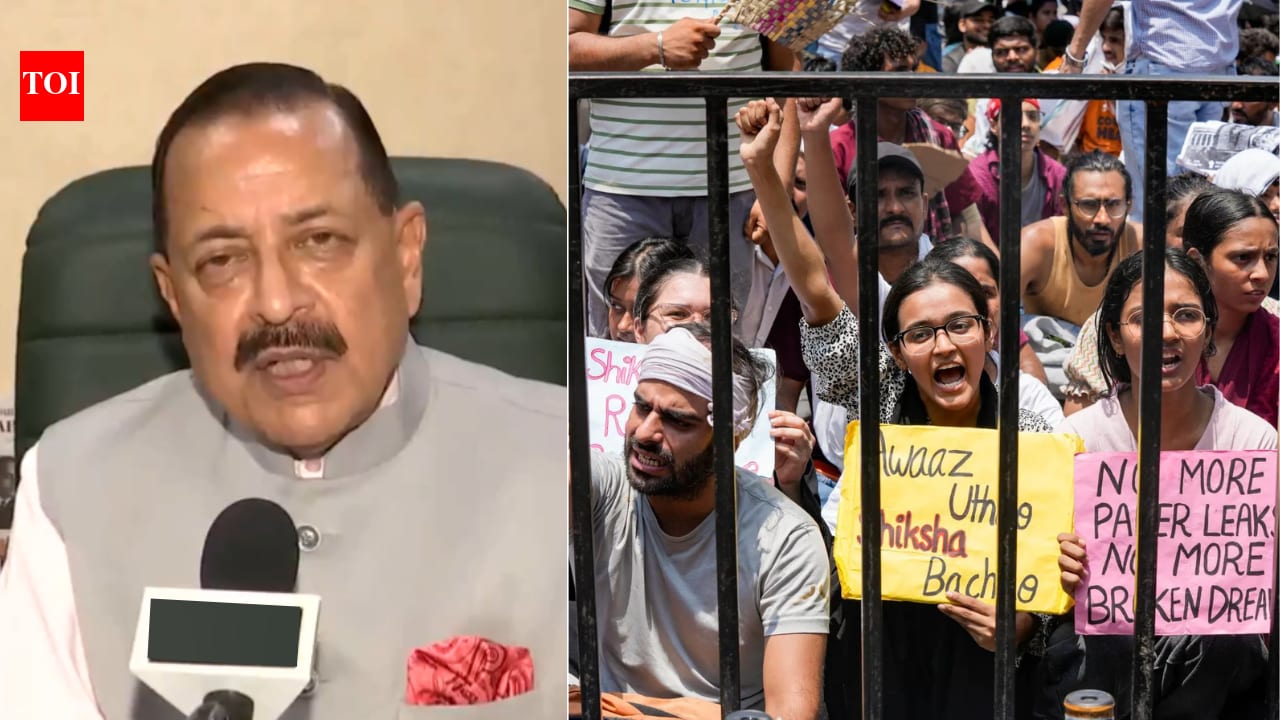
The Central Government has invited NEET protesters and the Cockroach Janta Party (CJP) for formal talks at J.P. Nadda's residence. However, the CJP has rejected the offer, insisting that any negotiations must occur at the Jantar Mantar protest site or a neutral venue.
Government Seeks Dialogue Amidst NEET Protests
In a significant development regarding the ongoing agitation against the NEET paper leak, the Central Government has stepped up efforts to initiate a formal dialogue with protesters. Union Minister Jitendra Singh announced on Thursday that the government has extended four distinct invitations to student representatives within a 24-hour window, expressing a willingness to discuss all grievances without time constraints. These talks are proposed to be held in the presence of Union Health Minister J.P. Nadda, signaling the government's intent to address the crisis at a ministerial level.
The Government’s Approach: Flexibility and Openness
Minister Jitendra Singh has emphasized that the government does not view this situation as a matter of prestige. By offering to meet at any hour and for any duration, the administration is attempting to project an image of transparency and urgency. The inclusion of J.P. Nadda in these proposed discussions underscores the health ministry's central role in the NEET examination process and suggests that the government is prepared to address both the immediate concerns regarding the alleged paper leak and broader systematic issues surrounding the exam.
The CJP’s Stance: Demanding Neutrality
Despite the government's persistent outreach, the Cockroach Janta Party (CJP), which is leading the protests at Jantar Mantar, has firmly rejected the invitation to meet at the Minister’s residence or office. Spokesperson Ashutosh Ranka stated that the protesters view these venues as non-neutral, insisting that any meaningful dialogue must take place in the public sphere of Jantar Mantar or at a location perceived as truly neutral. This impasse highlights a deep-seated lack of trust between the protesting organizations and the government authorities.
Implications of the Ongoing Standoff
The persistence of the protests at Jantar Mantar, even after multiple government overtures, indicates that the student agitation is highly organized and resolute. The refusal to engage in closed-door meetings suggests that the protesters are wary of being sidelined or managed through bureaucratic channels. This stalemate poses a significant challenge for the government, as the NEET examination is a critical component of India’s medical education infrastructure, and any perceived lack of accountability can have widespread political and social repercussions.
Historical Context and Future Trends
Student protests in New Delhi have historically served as a pressure cooker for policy reform, often forcing the administration to re-evaluate its stance on high-stakes competitive examinations. The current scenario reflects a growing demand for transparency in the testing process. Moving forward, the government will likely face increased pressure to either concede to a public forum for talks or implement independent investigations into the paper leak allegations to regain public confidence. The outcome of this standoff will likely set a precedent for how future examination-related grievances are managed in the national capital.