At least one killed in Tapi district as 1,200 others rescued from rain-hit areas in Gujarat
Source Entity
India Latest News: Top National Headlines Today & Breaking News | The Hindu
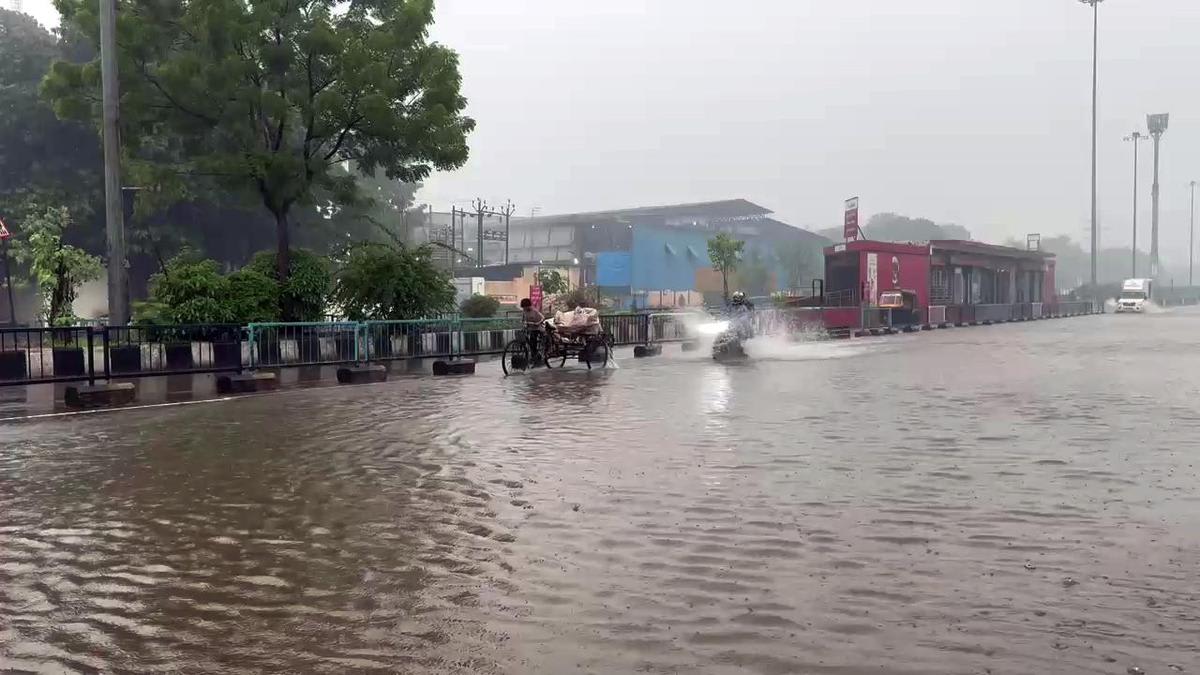
Heavy monsoon rains have caused severe flooding in Ahmedabad and across Gujarat, leading to transport disruptions and emergency rescues. The IMD has issued red alerts for multiple districts, with significant rainfall expected to continue through July 26.
Ahmedabad and Gujarat Face Severe Monsoon Deluge
The Impact of Unprecedented Rainfall
Ahmedabad witnessed a chaotic start to the monsoon season this Thursday, as a staggering 6.43 inches of rain fell within a mere 12-hour window. The intensity of the downpour was concentrated, with some areas receiving as much as 12.42 inches, leading to immediate urban paralysis. The rapid inundation of streets forced the suspension of critical transport services, including the Bus Rapid Transit System (BRTS), which saw 18 stations shuttered, and the closure of educational institutions to ensure public safety.
Zonal Vulnerabilities and Urban Infrastructure
The flooding was particularly acute in the north-western and south-western zones of Ahmedabad, flanking the strategic Sarkhej-Gandhinagar highway. Upmarket residential neighborhoods like Bopal were not spared, highlighting the systemic vulnerabilities in modern urban planning when faced with extreme climate events. The necessity of rescuing at least 50 individuals underscores the life-threatening nature of the flash flooding, which transformed city streets into waterlogged channels in a matter of hours.
Regional Meteorological Crisis
The crisis is not limited to Ahmedabad; the India Meteorological Department (IMD) has sounded a red alert across several districts in central and northern Gujarat. Panchmahal, Dahod, and Mahisagar are under high-risk warnings for extremely heavy rainfall through Friday. This follows a broader pattern of instability that has already impacted southern regions like Valsad and Navsari, where locations such as Umbergaon recorded over 7 inches of rain in a very short duration.
Disruption of Inter-State Connectivity
The adverse weather has created a ripple effect on national infrastructure, most notably impacting the rail corridor between Mumbai and Gujarat. Flooding near the Gholvad-Umbergaon railway bridge forced Western Railways to cancel, divert, and reschedule numerous long-distance services. This disruption serves as a stark reminder of how fragile regional logistics become when extreme weather events breach safety thresholds on critical transit arteries.
Future Trends and Climate Implications
As the IMD maintains red and orange alerts across Gujarat until July 26, the situation remains fluid. The combination of intense, short-duration rainfall events and the saturation of soil suggests that the risk of further flooding and landslides remains high. Moving forward, urban centers in Gujarat will likely need to re-evaluate their drainage capacity and disaster response protocols to manage the increasing frequency of such high-intensity monsoon events driven by shifting climate patterns.
Multiple Citing Sources
Verification Required?