Punjab Roadways contractual workers announce three-day strike from Aug 3
Source Entity
Latest News: Todays Latest News Headlines from India & World | Hindustan Times | Hindustan Times
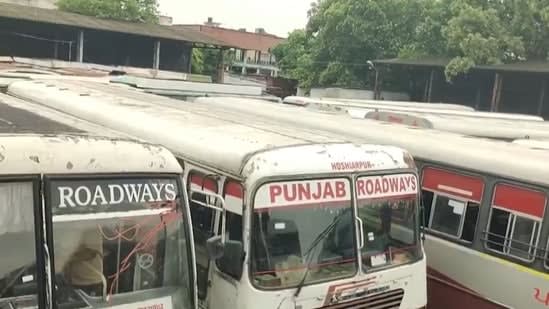
Contractual Punjab Roadways employees have announced a three-day strike starting August 3 to demand job regularization. The union cites a breakdown in negotiations after 70 meetings with the AAP government.
Breakdown of Labor Relations in Punjab
The announcement of a three-day strike by the Punjab Roadways, Punbus, and PRTC Contract Workers' Union signals a significant escalation in the ongoing labor dispute within the state's public transport sector. Scheduled for August 3 through August 5, this industrial action is the culmination of years of frustration regarding job security and the regularization of contractual staff. By organizing preliminary rallies at all state depots on July 27, the union is clearly signaling a coordinated effort to disrupt services and force the state government to address their long-standing grievances.
The Failure of Formal Negotiation
A particularly striking element of this crisis is the union's claim that they have engaged in approximately 70 meetings with the current Aam Aadmi Party (AAP) government over the past four years without achieving a resolution. This highlights a profound disconnect between the administration's stated labor policies and the lived reality of the employees. When such a high volume of meetings fails to produce a consensus, it often indicates that the core demands—specifically the regularization of services—remain non-negotiable for one or both parties, leading to a total breakdown in collective bargaining.
Impact on Public Infrastructure
Beyond labor rights, the union has leveled serious allegations regarding the deterioration of the state's transport infrastructure. The assertion that 800 government buses have become unserviceable during the current government’s tenure paints a concerning picture of the state of public mobility in Punjab. If accurate, this suggests that the strike is not only about employee welfare but also about the systemic degradation of the public transport fleet, which disproportionately affects lower-income residents who rely on these buses for daily commuting.
Broader Implications for Governance
The upcoming strike poses a significant political challenge for the Punjab government. Public transport strikes often serve as a catalyst for wider public discontent, particularly when the issues involve both fiscal policy—such as the cost of regularizing employees—and operational failure, such as the reported decline in bus availability. The government must balance the budgetary constraints of expanding its permanent workforce against the political necessity of maintaining essential public services.
Historical Context and Future Trends
Labor unrest within Punjab's state-owned transport sector is not a new phenomenon; it has historically been a volatile sector prone to strikes. However, the current intensity suggests that the standard mechanisms of dialogue are no longer sufficient. Looking ahead, if the government fails to provide a concrete roadmap for regularization, it is likely that this three-day strike will be merely a precursor to indefinite industrial action. The path forward requires a shift from superficial negotiations to a transparent, legally binding framework that addresses both the worker's status and the urgent need for fleet modernization.
Verification Required?