ChatGPT starts blocking direct requests to copy an author's style
Source Entity
Kyle Orland
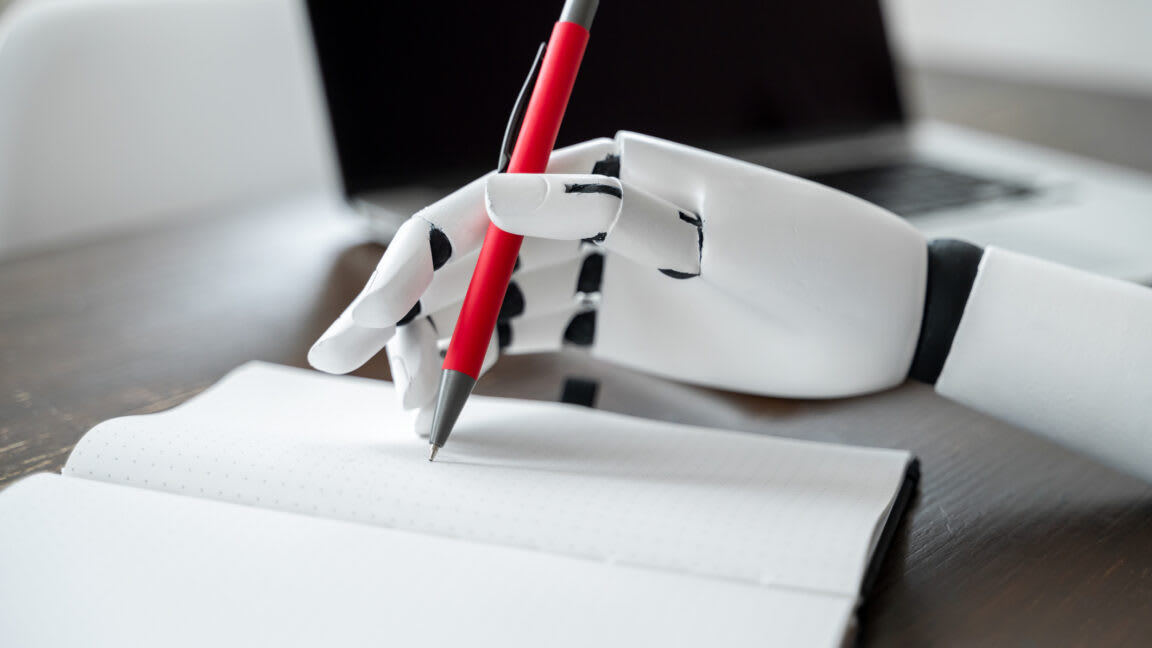
OpenAI has updated ChatGPT to refuse direct requests to mimic the specific writing styles of famous authors. This move aims to mitigate legal risks regarding intellectual property and copyright infringement by producing original content instead.
The Shift in Generative AI Copyright Compliance
OpenAI has implemented a significant update to ChatGPT that proactively blocks users from requesting text generated in the specific style of famous authors. When prompted to mimic writers like Stephen King, J.K. Rowling, or Amy Tan, the model now issues a refusal, explaining that while it can emulate the "broad qualities" of a genre or atmospheric tone, it cannot replicate a specific person's distinctive voice. This change represents a pivotal moment in the ongoing tension between generative artificial intelligence and intellectual property rights.
Navigating the Legal Landscape
The decision to restrict style mimicry likely stems from mounting legal pressure surrounding Large Language Models (LLMs). Authors have increasingly raised concerns that AI models trained on their copyrighted works could effectively replace them by producing derivative content that captures their unique creative signatures. By refusing to directly replicate these styles, OpenAI is attempting to create a buffer against claims that their tool facilitates the creation of unauthorized derivative works, thereby protecting the company from potential litigation regarding copyright infringement.
Defining 'Broad Qualities' vs. Unique Expression
Technically, ChatGPT’s new response strategy—offering to write in a "similar feeling" while maintaining its own voice—marks an attempt to distinguish between stylistic influence and direct imitation. This distinction is crucial in copyright law, where general style is often considered unprotected, but the specific expression of ideas is highly guarded. By leaning into genre-based descriptors like "atmospheric, character-driven horror," the AI remains useful for creative assistance without crossing the threshold into what could be legally classified as identity theft of a creative persona.
Historical Context of Creative AI
This development mirrors historical concerns in the creative industries, such as the evolution of fair use in music sampling or digital art. As AI models have become more sophisticated, the ability to "style-transfer" has improved, leading to a proliferation of AI-generated content that feels eerily familiar to human readers. The current move by OpenAI reflects a proactive effort to self-regulate before stricter legislative frameworks are imposed by governments or judicial precedents are set by ongoing class-action lawsuits involving prominent authors.
Future Trends in AI Content Generation
Moving forward, we can expect this "style-guarding" behavior to become an industry standard for major AI developers. As these models continue to integrate into professional workflows, companies will prioritize the development of tools that respect the "creative identity" of human professionals. Future iterations of LLMs may focus more on collaborative storytelling tools that help users develop their own unique voices rather than acting as a digital mimic for established literary figures.
Concluding Summary
In summary, OpenAI’s decision to limit style mimicry in ChatGPT is a strategic move to balance user utility with legal safety. By acknowledging the "broad qualities" of authors while refusing to replicate their specific voice, the company is navigating a complex legal landscape. This shift signals a broader industry trend toward defining the ethical boundaries of AI-generated creative works in a world where the line between inspiration and imitation is increasingly blurred.