Residents flag safety risk as silt removed from canals piles up along city roads
Source Entity
India Latest News: Top National Headlines Today & Breaking News | The Hindu
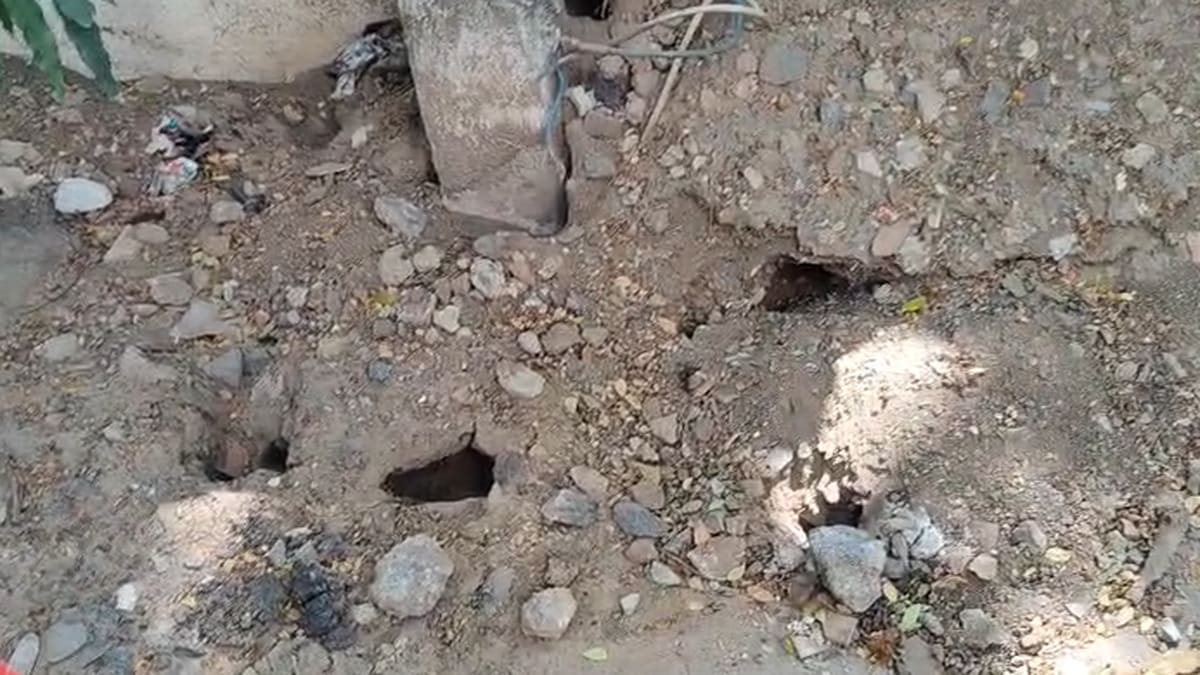
Chennai residents are reporting health and safety hazards as silt removed from canals remains piled on roadsides. Despite previous warnings from the Mayor, the lack of timely disposal is causing pest infestations and structural damage to properties.
The Growing Crisis of Improper Silt Disposal in Chennai
Recent reports from residents across Chennai, including areas like Nungambakkam, Velachery, and Anna Nagar, have highlighted a critical failure in the municipal waste management process. Following the desilting of stormwater drains (SWDs) and canals, the extracted sludge has been left in large piles along public roadsides. This practice, which contradicts explicit directives from Mayor R. Priya regarding the necessity of immediate removal, has transformed routine maintenance into a significant public health and safety concern for local communities.
Sanitation Hazards and Pest Infestation
The accumulation of wet, organic-rich silt provides an ideal breeding ground for vermin. Residents, such as K. Murali of Thirumoorthy Nagar, have reported severe infestations, with dozens of rats emerging from the disturbed drains and subsequently damaging residential property. The presence of snake skins and other debris within these mounds further exacerbates the sanitation crisis, creating an environment that poses a direct threat to public hygiene, especially as the city anticipates further rainfall that could wash this hazardous material back into the drainage systems.
The Breakdown of Municipal Accountability
Beyond the physical hazards, the situation reveals a breakdown in administrative responsiveness. The frustration expressed by residents attempting to utilize the '1913' helpline—the designated channel for civic grievances—underscores a systemic gap between policy and execution. When citizens are forced to navigate a labyrinth of redirected calls and informal communication channels just to report an existing maintenance failure, the overall efficacy of the Greater Chennai Corporation's disaster preparedness is called into question.
Environmental and Structural Implications
The long-term implications of leaving silt on roadsides are profound. When left unattended, this material does not simply dry out; it becomes a blockade for drainage runoff during monsoon events. If the silt is washed back into the canals, it effectively nullifies the financial and labor-intensive efforts spent on the initial desilting project. Furthermore, the structural damage reported by homeowners near these piles suggests that the municipal oversight must extend beyond the act of dredging to include the final disposal phase of the waste management cycle.
Future Outlook and Policy Recommendations
For Chennai to successfully mitigate flood risks, the Corporation must transition from a reactive model to a proactive, integrated waste management strategy. This requires not only immediate cleanup of the currently abandoned piles but also a strict enforcement of the Mayor's earlier mandate. Future desilting projects should be synchronized with logistics teams tasked with the immediate transport of waste to designated landfills, ensuring that maintenance work serves its intended purpose of protecting, rather than endangering, the city's urban infrastructure.
Verification Required?