In China, the AI bubble has already burst
Source Entity
The Indian Express
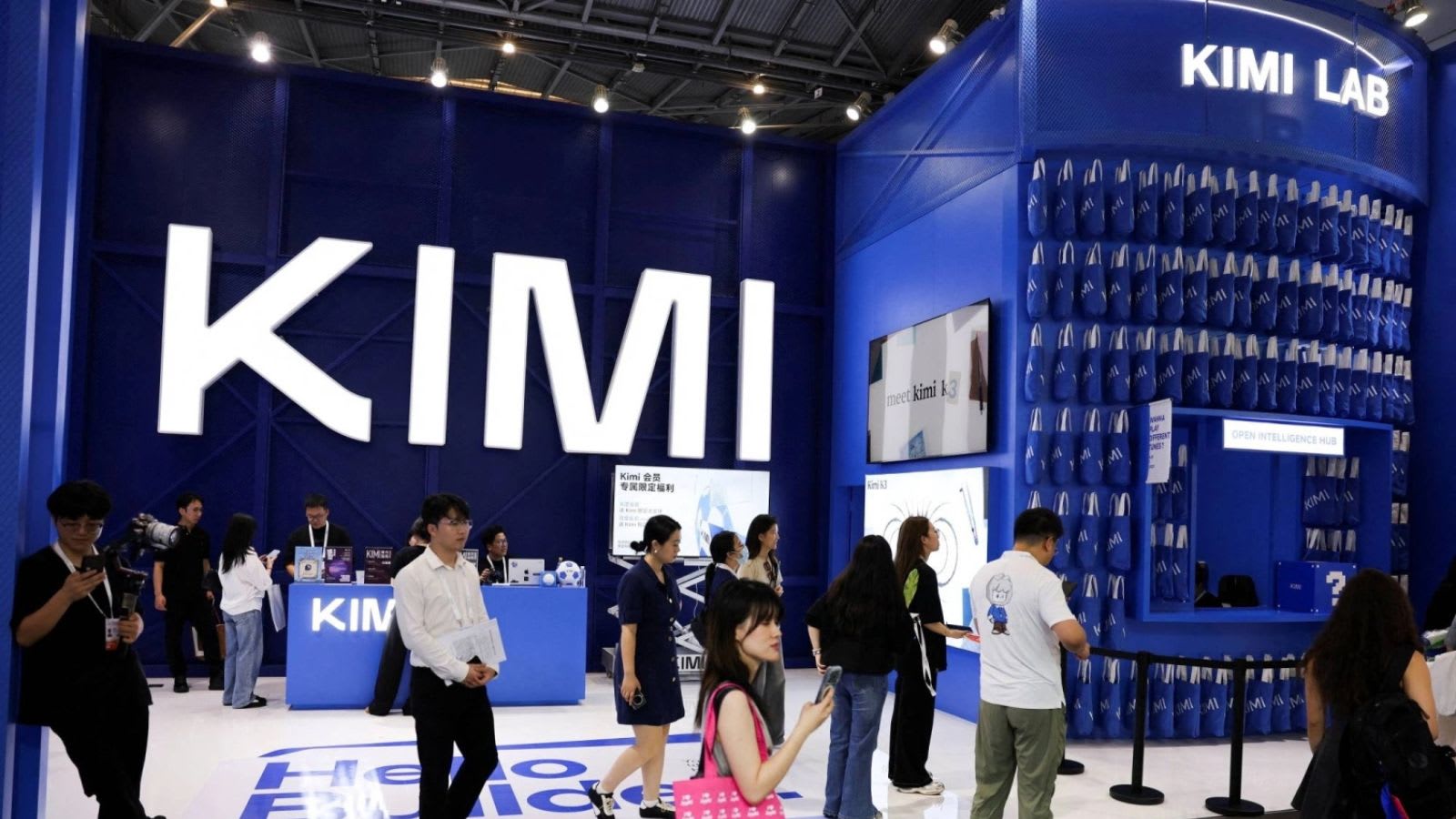
China's stock market has suffered significant losses, with the STAR50 index plunging 40% due to AI demand concerns and export restrictions. This collapse threatens Beijing's economic stability and complicates its strategic race for technological supremacy against the United States.
The Collapse of China’s AI-Driven Market Ambitions
Recent financial data indicates a severe correction within the Chinese equity markets, specifically targeting the artificial intelligence and semiconductor sectors. The STAR50 index, which tracks the nation's leading innovation firms, has plummeted by 40% in less than four months. This sharp decline has vaporized approximately $480 billion in market value within that specific index, while the broader Chinese stock market has seen a staggering $2.4 trillion in losses since May. This movement represents a definitive end to a two-year rally that was initially fueled by government stimulus promises.
The Intersection of Geopolitics and Valuation
The market meltdown is fundamentally rooted in the dual pressures of cooling AI demand and stringent export curbs. As China accelerates its race against the United States for global dominance in artificial intelligence, it faces significant headwinds. These export restrictions have hindered the ability of domestic firms to acquire the necessary hardware to maintain high-growth trajectories. Consequently, investors have begun to question the lofty valuations that previously defined the sector, leading to a massive exodus of capital that has exacerbated the downward trend.
Impact on the 'Slow Bull' Strategy
Beijing’s economic planners had been attempting to pivot the Chinese financial system away from the traditional, volatile boom-bust cycles toward a more sustainable "slow bull" market. This strategy was designed to encourage domestic savers to participate in equity markets to fund the nation's technological advancement. However, the current instability has severely damaged investor confidence. With blue-chip indices dropping 20% from their June highs, the government’s ability to incentivize citizens to shift savings into the stock market is being compromised, potentially stalling long-term domestic funding for critical infrastructure.
Systemic Risks and Market Contagion
According to analysis from Goldman Sachs, AI-related stocks constitute over 40% of the total market value in China and Hong Kong. This high level of concentration creates a precarious situation where instability in the technology sector acts as a systemic threat to the entire economy. When the AI bubble bursts, the resulting shockwaves are not contained within the tech sector; they permeate the broader financial landscape, impacting blue-chip companies and eroding overall market sentiment.
Future Implications and Global Outlook
The situation in China serves as a cautionary tale for global markets that have similarly relied on AI-driven growth to propel stock prices. As global tech stocks begin to teeter under the weight of similar valuation concerns, the Chinese experience provides an early warning of the potential for a broader correction. If the world’s second-largest economy cannot stabilize its primary engines of growth, the resulting ripple effects will likely influence international investor appetite for risk, potentially leading to a period of global market volatility as the reality of AI-driven productivity clashes with the limitations of current hardware and trade policy.