Porsche profit rebounds as luxury carmaker reduces exposure to China
Source Entity
US Top News and Analysis
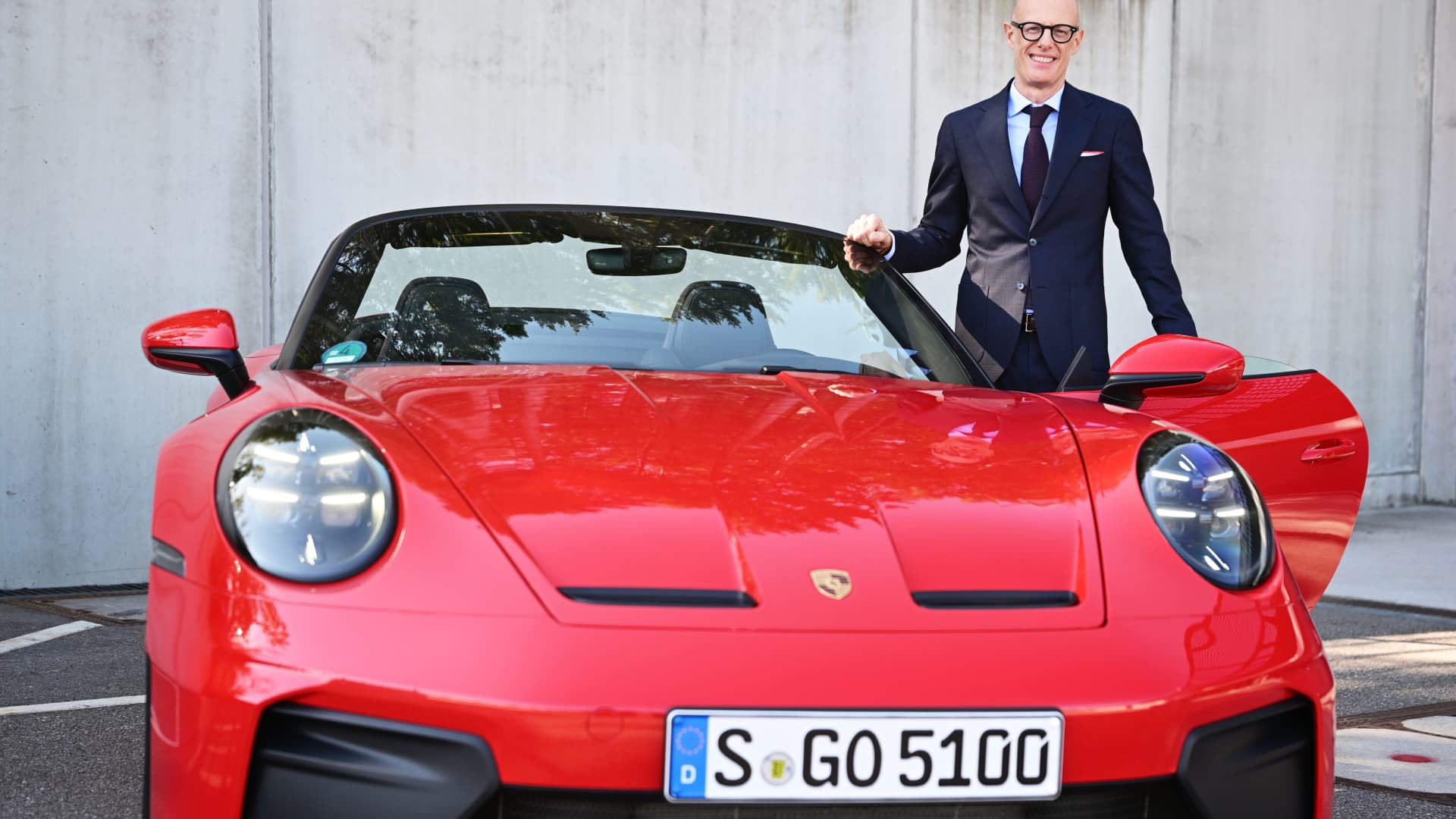
Porsche has reported a significant profit rebound in the first nine months of 2026 despite declining sales and deliveries. The automaker is actively reducing its market exposure to China to navigate current industry headwinds.
Porsche's Strategic Pivot: Balancing Profitability Amid Market Volatility
Porsche, the iconic Stuttgart-based sports car manufacturer, has demonstrated a remarkable financial rebound in the first nine months of 2026. Despite a challenging global environment characterized by shifting consumer preferences and economic instability, the company reported an operating profit of 1.74 billion euros. This figure stands in stark contrast to the 40 million euros reported during the same period in 2025, a year heavily impacted by approximately 2.7 billion euros in strategic restructuring costs. This recovery highlights the resilience of Porsche’s business model even as it navigates complex macroeconomic pressures.
The Shift Away from China
A critical component of Porsche’s current strategy, as outlined by CEO Michael Leiters, is the deliberate reduction of exposure to the Chinese automotive market. For years, China served as a primary growth engine for luxury European automakers; however, intensifying local competition and shifting market dynamics have made this region increasingly volatile. By scaling back its reliance on this specific market, Porsche is attempting to insulate itself from the localized economic fluctuations that have recently hindered its sales performance.
Analyzing the Revenue and Delivery Decline
While the profit figures present a positive narrative, the underlying operational metrics reveal a more nuanced story. Sales revenue for the period fell by 5.9% to 25.28 billion euros, while total vehicle deliveries dropped by 16% to 178,532 units. These declining figures suggest that while Porsche has successfully optimized its margins and cost structure—likely through the aforementioned restructuring efforts—it is simultaneously grappling with a cooling demand for its high-end vehicle lineup in key global regions.
Strategic Restructuring and Future Outlook
The rebound in operating profit is largely a testament to the success of Porsche’s recent strategic restructuring. By absorbing heavy costs in 2025, the company has cleared the path for a leaner, more efficient operation in 2026. Moving forward, the challenge for Porsche will be balancing this newfound profitability with the need to stimulate demand. As the company pivots away from China, it must identify new growth opportunities, particularly in North America, to compensate for the reduction in delivery volumes.
Conclusion: A New Era for Luxury Automotive
In summary, Porsche’s 2026 financial performance underscores the delicate balance luxury manufacturers must strike between maintaining premium brand value and adapting to global market volatility. By prioritizing profitability over sheer volume and diversifying away from over-exposed markets like China, Porsche is positioning itself to withstand long-term industry shifts. Whether this strategy will lead to sustained revenue growth remains to be seen, but the current financial results confirm that the company’s recent restructuring was a necessary evolution in its corporate history.