China This Week | FM Sitharaman to Europe, growing focus on Chinese trade surplus
Source Entity
Rishika Singh
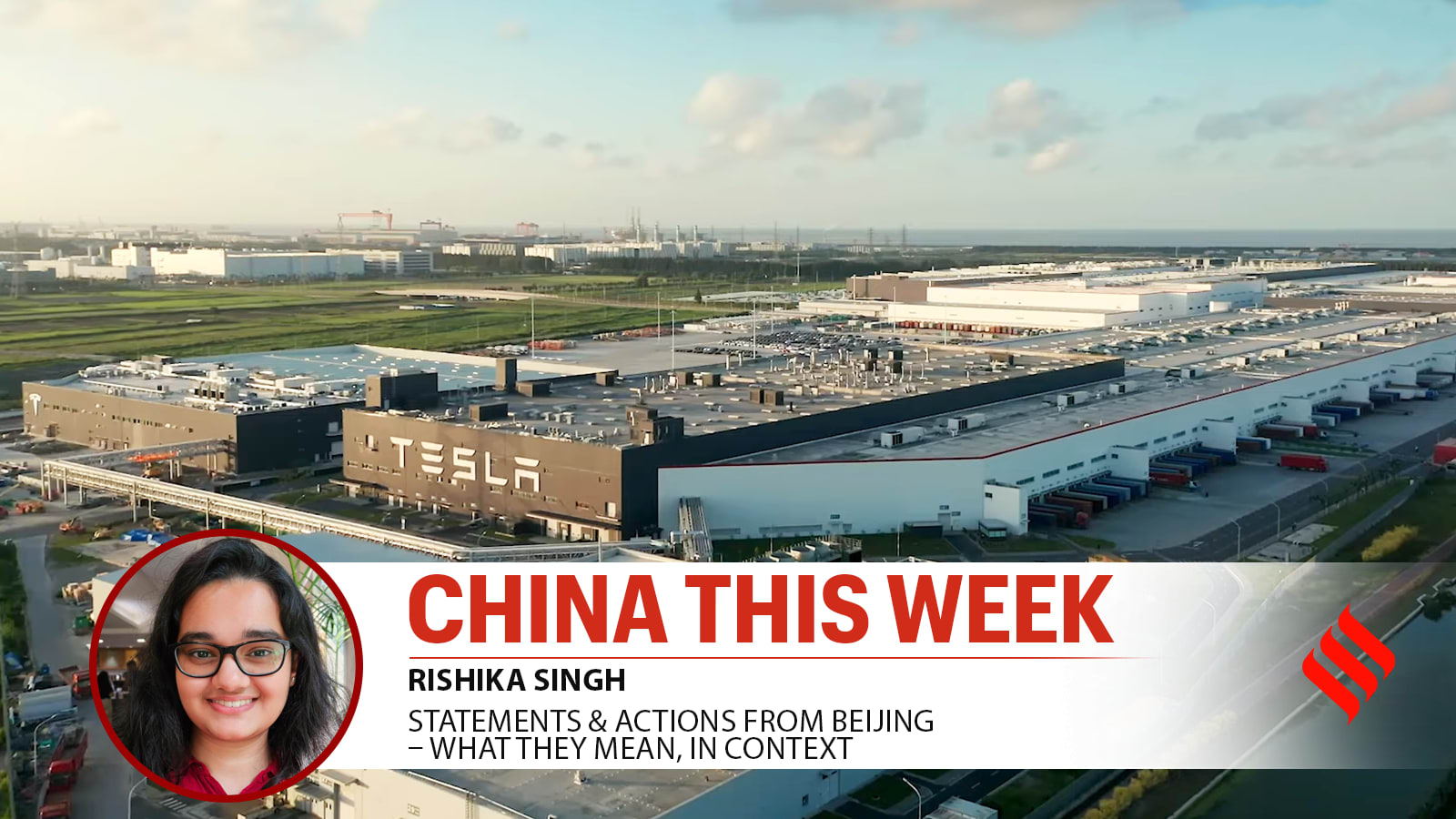
Global leaders and the IMF have criticized China's export-heavy economic model, urging a shift toward domestic consumption. Simultaneously, China is strengthening diplomatic and infrastructure ties with North Korea.
Global Economic Scrutiny: China's Export-Led Model Under Fire
Recent developments have signaled a coordinated international pushback against China’s current economic trajectory. Both Indian Finance Minister Nirmala Sitharaman and IMF Managing Director Kristalina Georgieva have publicly scrutinized China's reliance on exports. Minister Sitharaman specifically highlighted the growing imbalances in bilateral trade, reflecting broader concerns about how Chinese manufacturing output influences global market stability.
The Shift Toward Domestic Consumption
The IMF’s intervention suggests a fundamental concern regarding the sustainability of China’s growth model. By advising a transition toward domestic consumption, the IMF is effectively arguing that China’s current reliance on high-volume exports is creating structural pressures on international trading partners. This transition is not merely a policy suggestion but a necessary evolution to prevent further global trade friction and to stabilize the domestic Chinese economy against external volatility.
Trade Data and Economic Realities
The criticism leveled by global leaders is not occurring in a vacuum; it is supported by China’s own recently released trade data. These figures confirm the very imbalances that FM Sitharaman and the IMF have flagged. As the data shows a continued export surplus, it reinforces the narrative that China is prioritizing output over internal demand, a move that limits the integration of global goods into the Chinese market and forces other nations to contend with a trade deficit.
Geopolitical Realignment: China and North Korea
Beyond economic policy, China is actively deepening its strategic relationship with North Korea. The recent inauguration of a bridge between the two nations serves as a tangible symbol of this strengthening alliance. This infrastructure project is a critical indicator of regional cooperation, coming on the heels of President Xi Jinping’s decision to make North Korea his first foreign destination of the year.
Broader Strategic Implications
The dual focus on economic criticism and regional infrastructure expansion highlights a complex balancing act for Beijing. While the international community pushes for economic reform to balance trade, China is simultaneously investing in its traditional geopolitical partnerships. The bridge project, in particular, signals a desire to maintain secure, land-based economic and diplomatic corridors with North Korea, regardless of the criticism coming from Western-led financial institutions.
Future Outlook and Conclusion
Looking ahead, China faces the dual challenge of addressing international trade concerns while maintaining its strategic geopolitical objectives. If the shift toward domestic consumption does not occur as recommended by the IMF, we can expect trade tensions to escalate, potentially leading to increased protectionism from major trading partners like India. Conversely, the solidification of the China-North Korea relationship suggests that regional stability in East Asia will remain a priority, even as China navigates mounting pressure from the global financial establishment.