These surprising stocks could be some of the biggest drivers of S&P 500 earnings growth
Source Entity
Emily Bary
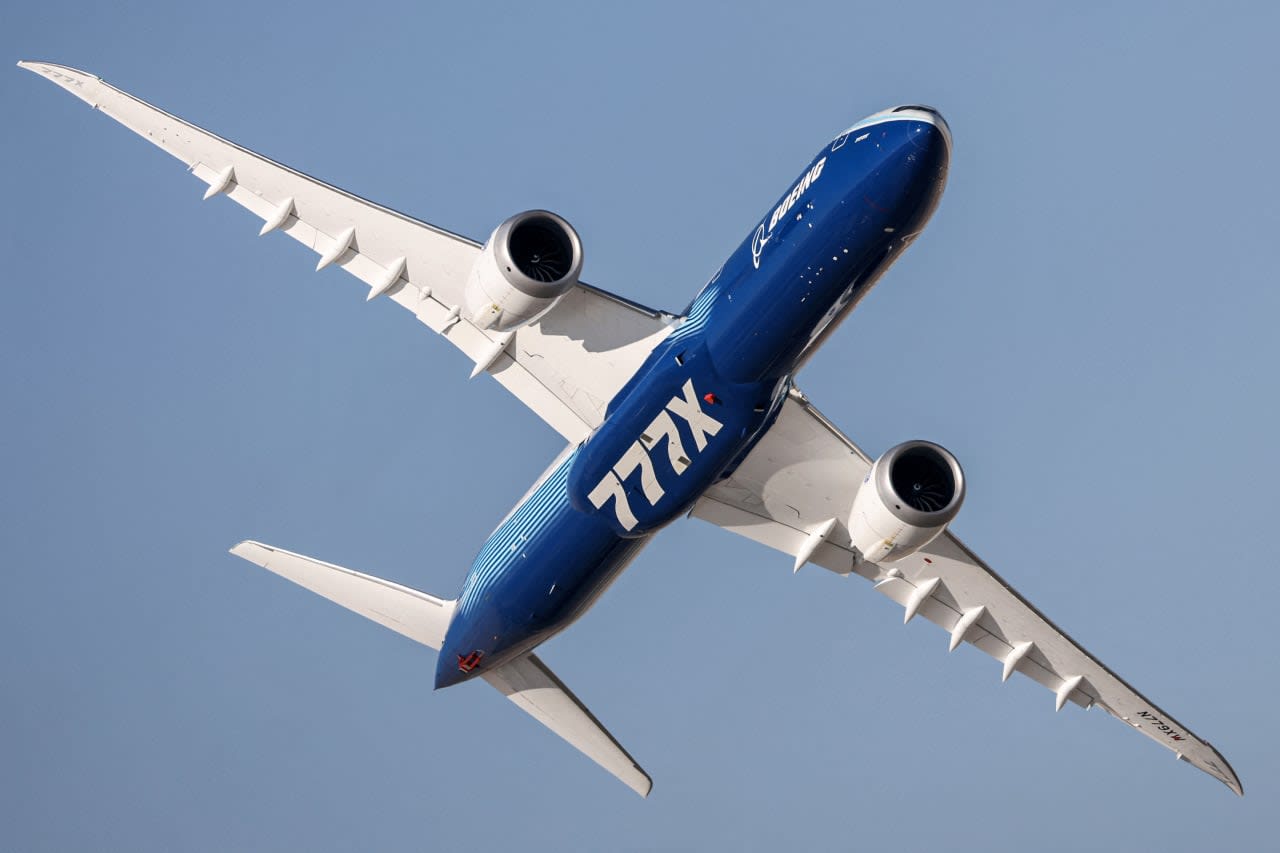
Boeing, Meta, and EchoStar are poised for strong earnings growth this quarter due to a favorable year-over-year comparison. These companies faced significant one-time charges last year, creating a low baseline for current performance metrics.
The Impact of Base Effects on S&P 500 Earnings
In the complex landscape of equity markets, corporate earnings are rarely evaluated in a vacuum. The recent performance outlook for Boeing, Meta, and EchoStar provides a masterclass in how 'base effects'—the mathematical impact of previous periods on year-over-year growth rates—can create significant volatility in quarterly reporting. By examining the financial trajectories of these three diverse entities, investors can better understand how past fiscal headwinds are currently transforming into perceived tailwinds.
Dissecting the 'Easy Comparison' Phenomenon
The core of the current narrative surrounding these companies lies in the comparative analysis of their previous financial statements. Both Boeing, Meta, and EchoStar recorded steep charges and expenses during the corresponding quarter of the previous year. In the world of corporate finance, these non-recurring expenses act as a depressant on historical earnings per share (EPS). Consequently, as these companies move past those specific, isolated fiscal burdens, their current year-over-year growth percentages are mathematically inflated, even if underlying operations remain steady.
Boeing: Navigating Operational Recovery
Boeing’s narrative is inextricably linked to its ongoing efforts to stabilize its balance sheet following years of production challenges and regulatory scrutiny. The 'steep charges' mentioned reflect a period characterized by significant operational resets. As the company moves away from the peak of these specific expenditure events, the normalization of its cash flow and earnings profile becomes more apparent to analysts. This transition is critical for the S&P 500 index, where Boeing’s weight can significantly influence the broader industrial sector’s performance metrics.
Meta and the Pivot to Efficiency
For Meta, the context is largely defined by the company's aggressive restructuring efforts and investment cycles. The charges recorded in the previous year were largely associated with the 'Year of Efficiency,' which involved massive layoffs and restructuring costs. As these one-time expenses drop out of the trailing twelve-month calculations, the company’s core advertising revenue growth is allowed to shine through more clearly. This shift highlights how structural changes within a tech giant can distort short-term growth narratives while potentially strengthening long-term margins.
EchoStar and Strategic Consolidation
EchoStar’s inclusion in this group underscores the varied nature of earnings drivers within the S&P 500. For companies undergoing strategic shifts or consolidation, the timing of asset impairment charges or restructuring costs is vital. The comparison to last year’s steep expenses serves as a reminder that investors must scrutinize the 'quality' of earnings growth. Distinguishing between genuine operational expansion and the simple mathematical relief of moving past past charges is essential for informed decision-making.
Future Trends and Investor Implications
Looking ahead, the trend of earnings recovery driven by the expiration of past charges is likely to continue for several firms across the index. As the S&P 500 evolves, the ability of market participants to adjust their valuation models based on these transient financial events will remain a competitive advantage. While these three companies appear to be significant drivers of growth this quarter, the long-term sustainability of their stock performance will ultimately depend on their ability to maintain operational discipline and capitalize on the leaner cost structures established in the wake of their previous fiscal challenges.
Verification Required?