Opinion: Opinion | One Crisis, 4 Wins: How China Might Just Have Hit A Geopolitical Jackpot
Source Entity
NDTV News Search Records Found 1000
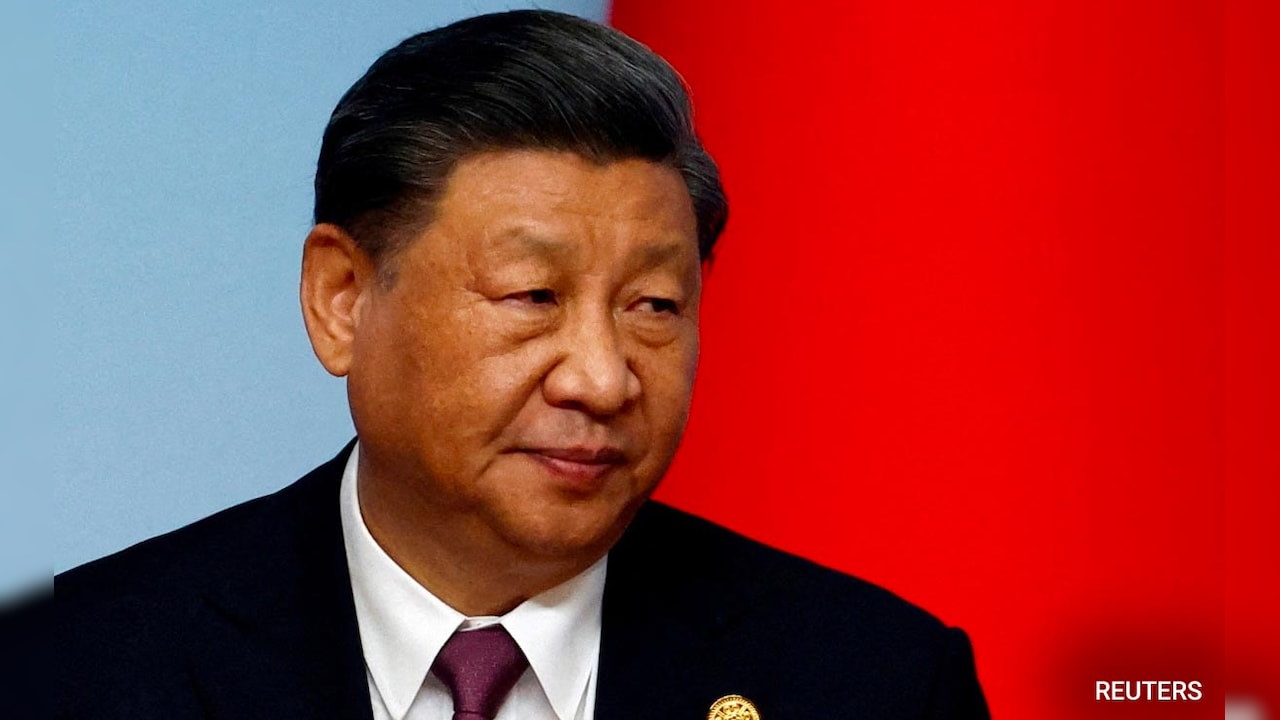
China is strategically leveraging global geopolitical shifts to bolster its economic and diplomatic influence. By capitalizing on regional crises, Beijing is actively accelerating the internationalization of the yuan and securing critical energy partnerships.
The Geopolitical Calculus of China's Strategic Gains
Recent observations suggest that China is emerging as a significant beneficiary of current global instability, effectively turning external crises into long-term strategic advantages. By observing the shifting tides of international relations, Beijing has positioned itself to capitalize on vulnerabilities within established Western-led economic frameworks. This phenomenon is not merely opportunistic but reflects a calculated approach to expanding its sphere of influence while others contend with domestic or regional turmoil.
The Shift Toward Yuan Internationalization
A critical component of China’s recent success is the accelerated push for the internationalization of the yuan. As nations seek alternatives to the US dollar-dominated financial system, China has positioned its currency as a viable settlement medium, particularly in cross-border trade. By facilitating these transactions, Beijing is effectively reducing the efficacy of Western financial sanctions and creating a more resilient economic ecosystem that is less tethered to traditional global banking infrastructures.
Energy Security and Strategic Partnerships
Beyond currency manipulation, China has made significant strides in securing its energy future. By deepening ties with major oil-exporting nations, China has managed to bypass traditional constraints, ensuring a steady supply of energy that fuels its massive manufacturing engine. These partnerships are often structured in ways that integrate the yuan, further cementing the bond between Chinese industrial demand and the geopolitical interests of energy-producing states, thereby insulating the nation from supply chain volatility.
Exploiting the Vacuum of Global Leadership
The narrative of China's recent gains is also rooted in the perceived vacuum of global leadership. As traditional powers grapple with internal polarization and competing diplomatic priorities, China has stepped into the breach, offering itself as a stable, consistent partner to the Global South. This 'win-win' rhetoric is designed to appeal to emerging economies that are wary of Western interventionism, allowing China to expand its infrastructure projects and diplomatic reach with relative ease.
Long-term Implications and Future Trends
Looking ahead, the trend of China leveraging global crises is likely to intensify. We can expect Beijing to continue promoting the yuan as a settlement currency for commodities, effectively challenging the petrodollar system. Furthermore, as China integrates its technological and financial systems with its diplomatic allies, the world may see a more bifurcated global economy, where China serves as the anchor for a significant portion of international trade, independent of the historical norms established in the post-WWII era.
Conclusion: A New Era of Influence
In summary, China’s ability to turn global crises into what can be described as a geopolitical jackpot is a testament to its long-term strategic planning. While these advantages have been facilitated by the missteps or distractions of other global powers, China’s proactive management of its energy and financial interests ensures that it is well-prepared for the coming decade. The shift in global power dynamics is increasingly favoring a model that aligns with China’s vision for a multi-polar, yuan-centric economic order.
Verification Required?