Cook in Malviya Nagar hotel fire case gets bail; court says forensic report yet to establish cause
Source Entity
Latest News: Todays Latest News Headlines from India & World | Hindustan Times | Hindustan Times
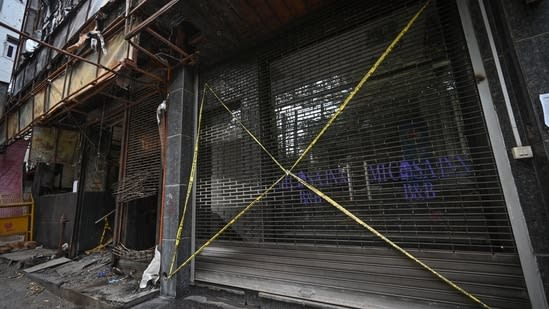
A Delhi court has granted bail to Kesar Negi, a cook involved in a fatal Malviya Nagar hotel fire that killed 22 people. The court ruled that without a forensic report, criminal culpability cannot be established based solely on witness statements.
Judicial Review in the Malviya Nagar Fire Tragedy
A Delhi court has granted bail to Kesar Negi, a cook previously arrested in connection with a catastrophic fire at the Flourish B&B hotel in Malviya Nagar. The blaze, which occurred nearly a month ago, resulted in a tragic loss of 22 lives, leaving the community and legal authorities grappling with the aftermath of one of the city's most severe recent building fires.
The Legal Basis for Bail
The decision to release the accused hinges on a critical evidentiary gap: the absence of a conclusive forensic report. While initial police investigations suggested that the fire originated from an oil fryer left unattended by Negi, the court maintained that judicial proceedings require concrete technical evidence. By stating that criminal culpability cannot be established solely on witness testimony, the court has underscored the necessity of forensic validation in complex cases involving structural disasters.
Structural Negligence and Regulatory Failures
Beyond the immediate actions of the kitchen staff, the case has highlighted broader systemic issues regarding building safety. Official reports have confirmed that the Flourish B&B building lacked a valid fire no-objection certificate (NOC). This revelation suggests that the tragedy may have been exacerbated by significant lapses in regulatory compliance, where the absence of fire safety measures likely turned a localized kitchen incident into a mass-casualty event.
The Challenge of Establishing Culpability
The legal process now faces the complex task of untangling individual negligence from institutional failure. While the cook’s actions—leaving a fryer on while preparing tea—serve as a focal point for the investigation, the lack of an NOC shifts the narrative toward the management's responsibility. The court's decision reflects a cautious approach to justice, ensuring that the accused is not prematurely held accountable for the entire scale of the disaster before the forensic evidence is processed.
Implications for Urban Safety
This incident serves as a grim reminder of the high stakes involved in urban fire safety enforcement. The Malviya Nagar case is expected to set a precedent for how future fire-related fatalities are handled in Delhi's courts, particularly regarding the accountability of building owners versus employees. As the forensic investigation continues, the findings will be pivotal in determining whether the charges against the staff will persist or if the focus of the prosecution will shift toward those responsible for building compliance.
Conclusion
The granting of bail to Kesar Negi marks a transitional phase in the investigation. As the judicial system awaits the forensic findings, the case remains a stark focal point for the necessity of fire safety audits and strict adherence to building regulations. The outcome of this case will undoubtedly influence public discourse on safety protocols and the legal repercussions of negligence in the hospitality sector.
Verification Required?