No longer safe at the rear? How China's hypersonic weapons could hunt US aircraft
Source Entity
ABHISHEK MISHRA
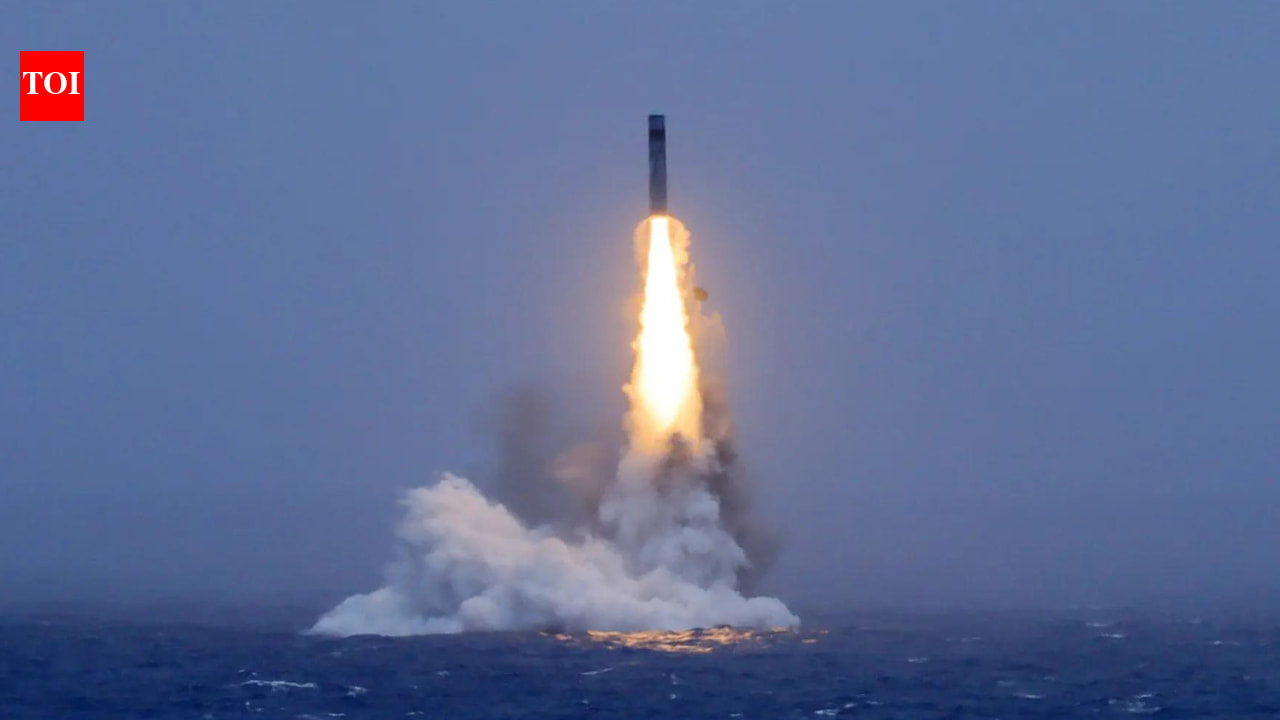
China has developed hypersonic glide vehicles capable of launching air-to-air missiles to target high-value US aircraft from thousands of miles away. This technological leap, unmatched by other nations, significantly alters regional security dynamics and challenges current defensive strategies.
The Shift in Aerial Warfare: China's Hypersonic Advancement
Recent reports indicate a significant escalation in military technology as China has successfully developed hypersonic glide vehicles (HGVs) capable of launching air-to-air missiles. This capability, which is currently unmatched by any other nation, represents a fundamental shift in how high-value assets—such as command-and-control, surveillance, and refueling aircraft—are protected during potential conflicts. By targeting these critical support planes from thousands of miles away, China is effectively aiming to neutralize the logistical and strategic backbone of modern air operations.
Strategic Implications for Global Security
The ability to strike from such extreme distances forces a massive reassessment of military positioning. Historically, support aircraft have operated from the relative safety of the 'rear,' far removed from the immediate front lines of a battlefield. With the deployment of HGVs—specifically those associated with systems like the DF-17, which can reportedly travel approximately 2,414 kilometers—this geographical sanctuary is being eroded. This development necessitates a new defensive posture for the US and its allies, as conventional interception methods may prove inadequate against hypersonic speeds.
Expanding the Missile Arsenal
This innovation is not an isolated event but rather part of a broader, aggressive expansion of China’s missile arsenal. According to Pentagon estimates from 2024, China maintains an inventory of at least 300 ground-launched cruise missiles and 3,150 ballistic missiles. The integration of air-to-air capabilities into hypersonic cruise missiles and anti-ship capabilities into other platforms demonstrates a multi-domain approach to warfare. Beijing is clearly focusing on diversifying its military missions to ensure that it can project power far beyond its borders.
Challenges and Technological Hurdles
Despite the strategic advantages, experts note that this new class of weapon faces significant technical hurdles. Integrating air-to-air targeting systems within a hypersonic glide vehicle—which travels at speeds exceeding Mach 5—requires immense precision in guidance, thermal management, and data processing. Maintaining a lock on mobile, high-value aircraft while maneuvering at hypersonic speeds is a complex engineering feat that suggests China is investing heavily in advanced sensor fusion and autonomous targeting technology.
Regional and Global Power Dynamics
For neighbors like India, the advancement of Beijing’s missile technology is a matter of critical regional security. As China continues to modernize its military, the balance of power in the Indo-Pacific is shifting, prompting the United States to accelerate its own development of longer-range missiles. This technological 'arms race' underscores a move toward a more volatile security environment where the speed of engagement is drastically increasing, leaving less room for diplomatic de-escalation.
Future Trends and Outlook
The future of modern warfare will likely be defined by the ability to counter these hypersonic threats. As these weapons move from experimental stages to operational deployment, military doctrine will have to evolve to emphasize stealth, electronic warfare, and perhaps a move toward smaller, more distributed airborne platforms. The era where distance alone provided safety for non-combatant aircraft is coming to a close, signaling a new, more dangerous chapter in international defense strategy.
Multiple Citing Sources