French Tourist Dies After Being Trapped In 47 Degrees Celsius In Death Valley
Source Entity
NDTV News Search Records Found 1000
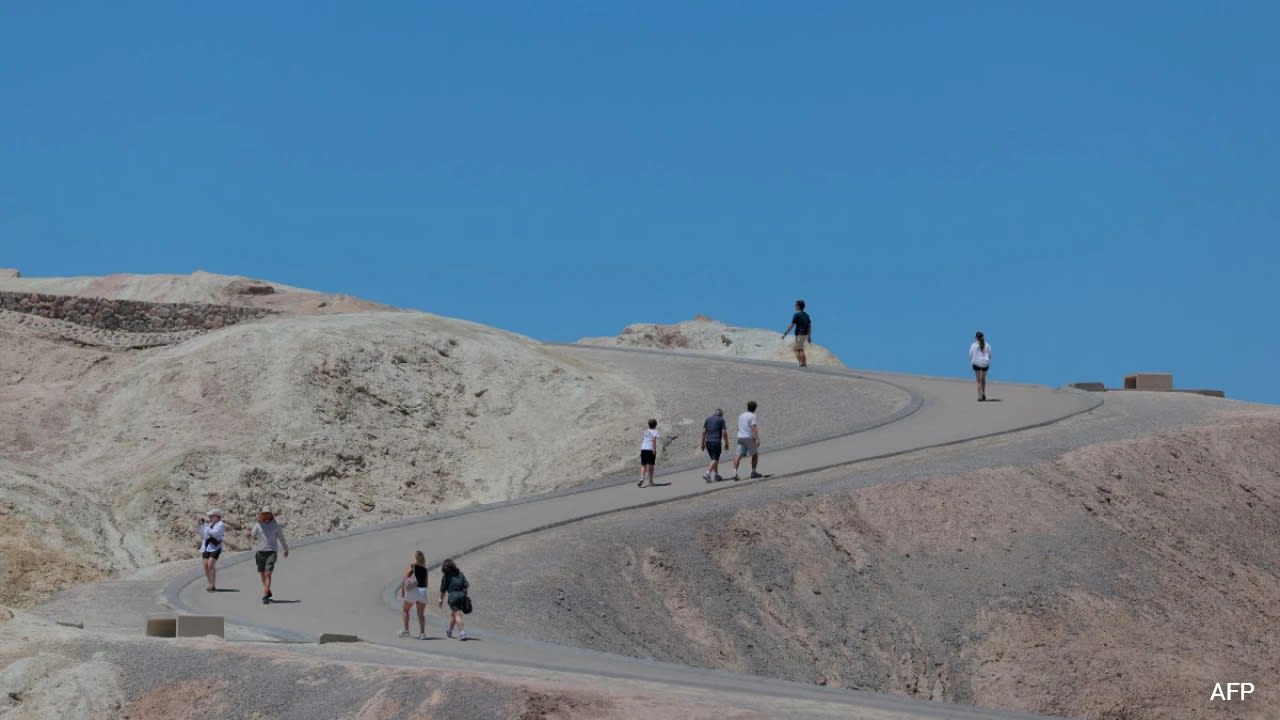
A French tourist has tragically died after becoming trapped in Death Valley during extreme 47-degree Celsius heat. This incident highlights the persistent and lethal dangers posed by the park's environment to unprepared visitors.
The Lethal Peril of Death Valley
A tragic incident has occurred in California’s Death Valley, where a French tourist has died after becoming trapped in extreme temperatures reaching 47 degrees Celsius (approximately 116.6 degrees Fahrenheit). Located roughly 200 miles northeast of Los Angeles, this vast desert landscape is renowned for being one of the hottest places on Earth. This event serves as a harrowing reminder of the environmental hostility that defines one of America's most iconic, yet dangerous, national parks.
The Environmental Challenge of Extreme Heat
Death Valley’s geography creates a natural heat trap. Its low elevation, combined with its basin-like structure, prevents heat from escaping, often leading to temperatures that push the limits of human survivability. When temperatures reach 47 degrees Celsius, the human body struggles to regulate its internal temperature, leading to rapid dehydration, heat exhaustion, and eventually heat stroke. For international tourists unfamiliar with the specific intensity of the Mojave Desert sun, these conditions can become fatal with terrifying speed.
A Pattern of Seasonal Tragedy
It is an unfortunate reality that Death Valley claims lives every year. The park attracts millions of visitors who come to witness its stark beauty, but the contrast between the scenic allure and the lethal climate is often underestimated. Emergency services and park rangers frequently face the challenge of responding to distress calls in remote areas where cell service is non-existent and the terrain is unforgiving. This recurring pattern of mortality suggests a persistent gap between visitor awareness and the actual physical requirements for safe desert travel.
Broader Implications for Tourism and Safety
This incident raises significant questions regarding public safety management in extreme climate zones. As global temperatures continue to rise, the risks associated with visiting areas like Death Valley may increase, necessitating more robust warning systems and perhaps stricter access regulations during peak heat waves. The tragedy also underscores the importance of traveler preparedness, including the necessity of carrying excessive water, planning travel for cooler hours, and recognizing the early warning signs of heat-related illness.
Historical Context and Future Trends
Historically, Death Valley has served as a crucible for survival, dating back to the 19th-century pioneers who traversed the basin. While modern technology and infrastructure have made the park more accessible, the fundamental dangers remain unchanged. Looking forward, as the popularity of national parks continues to grow, there is an urgent need for enhanced educational outreach for international visitors who may not fully grasp the lethality of North American desert climates. Ensuring visitor safety in such an extreme environment remains a complex, ongoing challenge for park authorities.
Verification Required?