Trump targets Iran’s trade lifelines — here are the countries most exposed
Source Entity
US Top News and Analysis
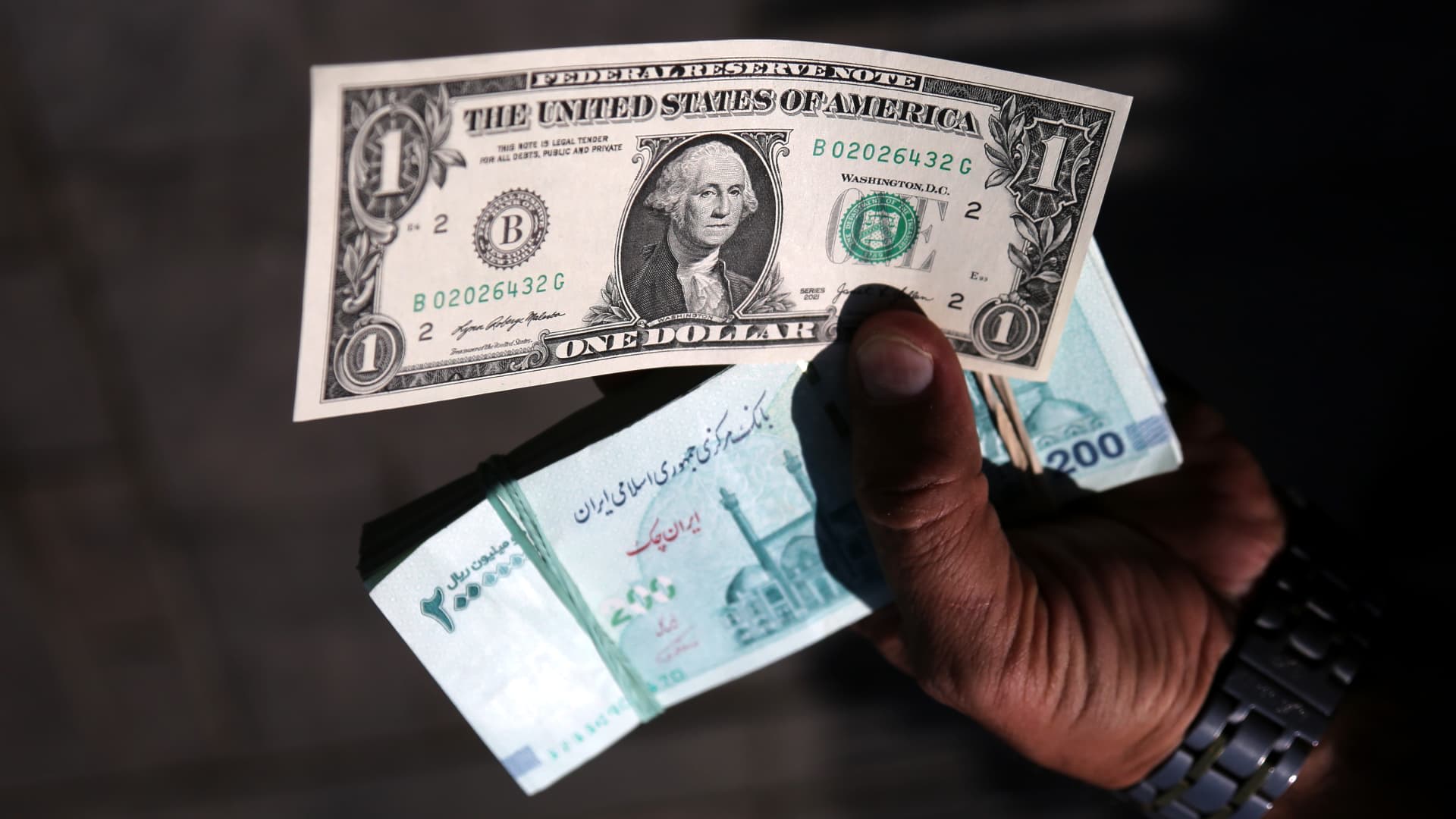
The Trump administration has launched an 'economic D-Day' campaign to isolate Iran, targeting its oil trade and digital asset sector. The strategy relies on secondary sanctions against enablers, specifically pressuring China, which imports 90% of Iran's crude oil.
The Strategic Escalation: Washington's 'Economic D-Day'
The U.S. government has initiated an aggressive campaign labeled an "economic D-Day," aimed at systematically severing Iran’s remaining trade lifelines. This policy shift represents a significant escalation in Washington's efforts to isolate Tehran from the global financial system after nearly six months of active conflict. By threatening penalties against any "enablers" of the Iranian economy, the administration is attempting to force a total cessation of commercial interactions that have historically allowed the Iranian state to circumvent international pressure.
Targeting the Digital Frontier
A critical component of this new offensive is the expansion of sanctions into the digital asset sector. The U.S. Treasury’s Office of Foreign Assets Control (OFAC) has identified the use of cryptocurrencies to facilitate over $100 million in payments linked to Iranian oil sales. By targeting a UAE-based broker and issuing sectoral determinations for digital assets, the U.S. is signaling that modern financial technology will no longer serve as a loophole for sanctioned regimes. This move effectively expands the reach of U.S. enforcement to include technology, gold, aviation, and shipping networks, casting a wide net over entities deemed to be supporting Iran’s nuclear, missile, or cyber activities.
The China Conundrum: A Major Diplomatic Collision
The ultimate success of this "economic D-Day" hinges on the U.S. ability to influence Iran’s largest trading partner: China. Currently, approximately 90% of Iran’s oil exports are destined for Chinese markets. This creates a complex geopolitical dilemma for the Trump administration. While imposing secondary sanctions on Chinese companies is the most direct path to crippling Iran’s revenue, it risks igniting a broader economic confrontation between Washington and Beijing. The administration must weigh the goal of Iranian isolation against the potential for significant collateral damage to the U.S.-China bilateral relationship.
Historical Context and Economic Impact
The pressure is already manifesting on the ground in Tehran, where the Iranian toman has hit an all-time low, reaching 200,000 toman against the U.S. dollar. This currency depreciation reflects the mounting anxiety surrounding the potential for total economic isolation. Historically, sanctions have been the primary tool for Western powers to limit Iran’s regional influence, but the efficacy of these measures has often been hampered by the willingness of other sovereign states to ignore U.S. dictates in favor of their own energy security and economic interests.
Future Trends and Global Implications
Looking ahead, the effectiveness of this policy will depend on whether the administration follows through with concrete, punitive actions against major international players. If the U.S. proceeds with blacklisting Chinese firms, the global energy market could face significant volatility, and international supply chains may be forced to bifurcate to avoid U.S. jurisdiction. Conversely, if the threat remains largely rhetorical, Tehran may continue to find ways to utilize decentralized digital assets and shadow shipping fleets to sustain its economy. The coming months will likely see a high-stakes standoff between the U.S. enforcement apparatus and the remaining trade corridors keeping the Iranian economy afloat.
Multiple Citing Sources