Opinion: Opinion | China Is No Longer Waiting For Trump To Set The Rules. And He Knows It
Source Entity
NDTV News Search Records Found 1000
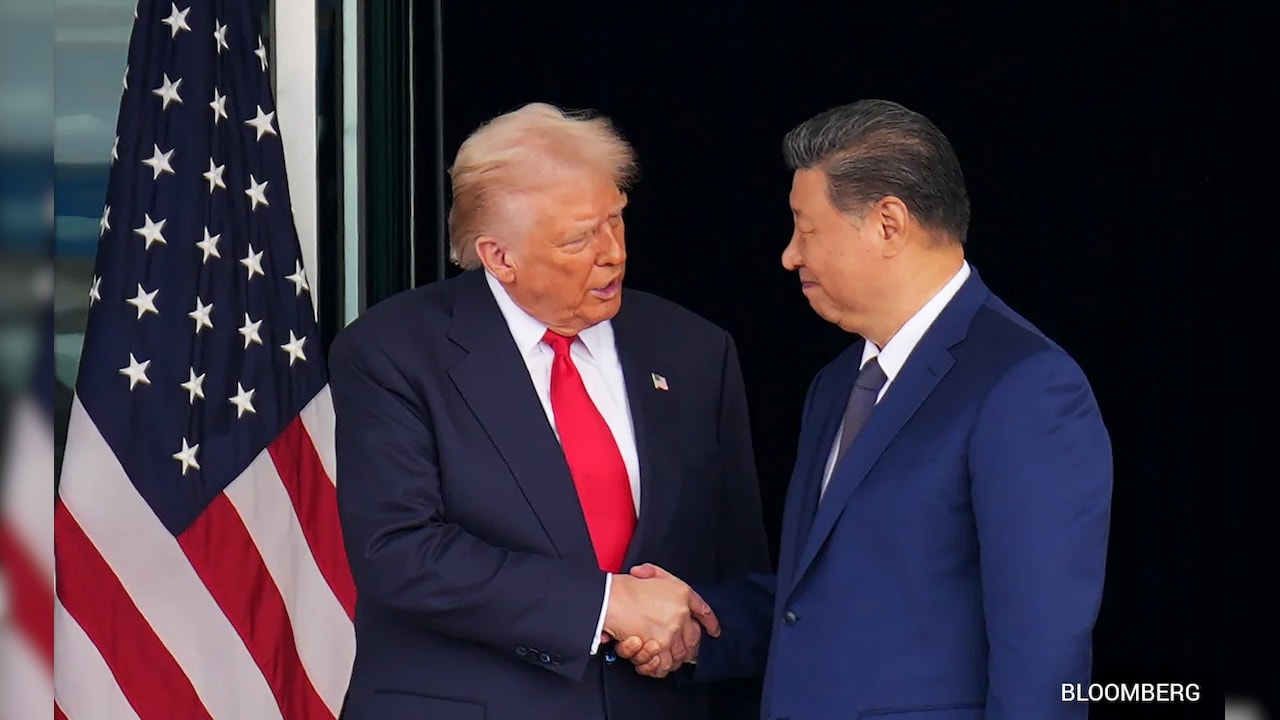
The geopolitical landscape between the U.S. and China has shifted, rendering traditional American diplomatic strategies ineffective. China's evolving global ambitions suggest a new era where Beijing sets its own rules rather than waiting for external mandates.
The Shift in Sino-American Geopolitics
The traditional paradigm of United States-China relations, long characterized by American leadership and the expectation of Chinese alignment with Western-led global norms, is undergoing a profound transformation. As noted in recent analysis, the diplomatic strategies that once defined the interaction between these two superpowers are becoming increasingly obsolete. This is not merely a tactical change but a fundamental shift in the structure of international influence.
The Evolution of Chinese Ambitions
China has fundamentally changed its approach to global engagement. No longer content to operate within the established frameworks set by Washington, Beijing is actively pursuing a strategy that prioritizes its own national interests and ideological objectives. This evolution marks a departure from the cautious, reactive diplomacy of the past, signaling a more assertive posture that seeks to shape international standards rather than simply comply with them.
The Obsolescence of Old Diplomatic Tricks
For decades, U.S. foreign policy relied on a specific toolkit of diplomatic pressures and economic incentives designed to steer China toward a more cooperative stance. However, these 'old tricks' are failing to gain traction in the current environment. The economic and military maturation of China has created a reality where the leverage once held by the United States is significantly diminished, forcing a reassessment of how Washington interacts with its primary global competitor.
A Departure from the Trump-Era Expectations
There is a notable recognition that China is no longer waiting for mandates from American leadership, regardless of the political administration in power. Even under the transactional diplomacy often associated with figures like Donald Trump, the reality remains that Beijing’s strategic trajectory is internally driven. The anticipation that the United States could unilaterally set the rules of the game has been replaced by a realization that China is building its own parallel systems of influence.
Broader Geopolitical Implications
This shift suggests a move toward a more fragmented global order. As China establishes its own rules—ranging from trade protocols to technological standards—other nations may find themselves forced to navigate a world where they must choose between competing systems. This bifurcation poses significant challenges for global stability and requires a level of diplomatic agility that current Western policy frameworks may not yet possess.
Future Trends and Strategic Outlook
Looking ahead, the relationship between Washington and Beijing will likely be defined by a persistent struggle over the definition of the global rules-based order. The era of waiting for American direction is over; instead, the future will be defined by institutional competition. Policymakers must now grapple with a China that is confident in its ability to dictate terms, necessitating a long-term strategy that accounts for this new, more balanced, and potentially more confrontational reality.
Verification Required?